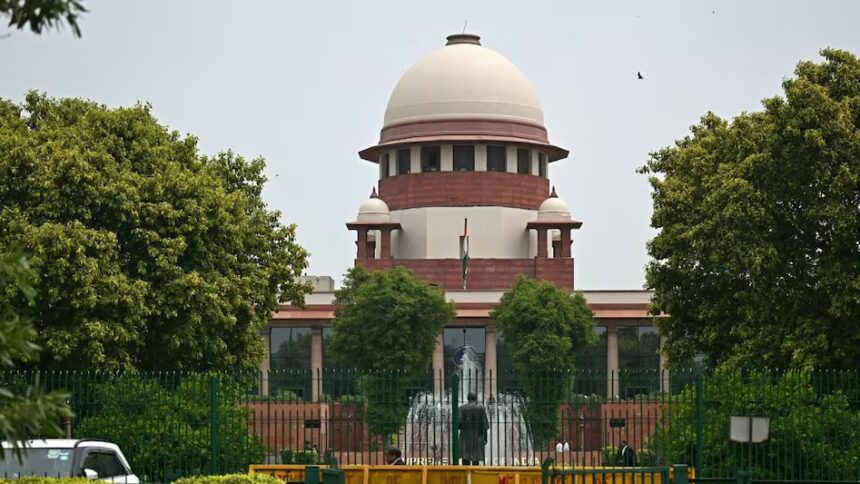
After postponing the NEET PG 2025 examination originally scheduled for June 15, the National Board of Examinations in Medical Sciences (NBEMS) has now approached the Supreme Court, seeking permission to hold the test on August 3. The delay followed the Court’s concerns over the exam being conducted in two separate shifts, potentially affecting fairness and uniformity for the candidates.
The Supreme Court had previously intervened after a petition filed by the United Doctors Front argued for a single-session examination nationwide. The Court found merit in the plea, stating that holding the test in two shifts could create disparities in difficulty levels. It directed NBEMS to conduct the exam in a single session and allowed the exam body to request more time if required to reorganize logistics accordingly.
Massive Logistical Challenge for NBEMS
In its fresh application, NBEMS has proposed conducting the exam on August 3, from 9:00 AM to 12:30 PM. However, shifting to a single-shift model will require a massive overhaul in logistics. Over 2.42 lakh candidates are expected to appear for NEET PG 2025, necessitating more than 1,000 examination centres across 250+ cities nationwide.
To ensure smooth execution, NBEMS will need to deploy nearly 60,000 personnel, including invigilators, technical staff, and security officers. Besides this, coordinating with educational institutions, arranging adequate infrastructure, and enforcing anti-cheating measures will be critical. The shift also means tighter coordination to avoid technical glitches or disruptions on the day of the exam.
Awaiting Supreme Court’s Final Call
While the proposal has been filed, the final decision now lies with the Supreme Court. The Court’s approval is essential for NBEMS to move forward with its revised plan. Until a verdict is issued, NEET PG aspirants are advised to stay updated through the official NBEMS website for any notifications related to the new schedule or additional guidelines.
The decision impacts thousands of medical graduates nationwide, many of whom had raised concerns about fairness and transparency in the examination process. The Supreme Court’s stance has underlined the importance of maintaining a level playing field for all candidates, especially in high-stakes national-level exams like NEET PG.