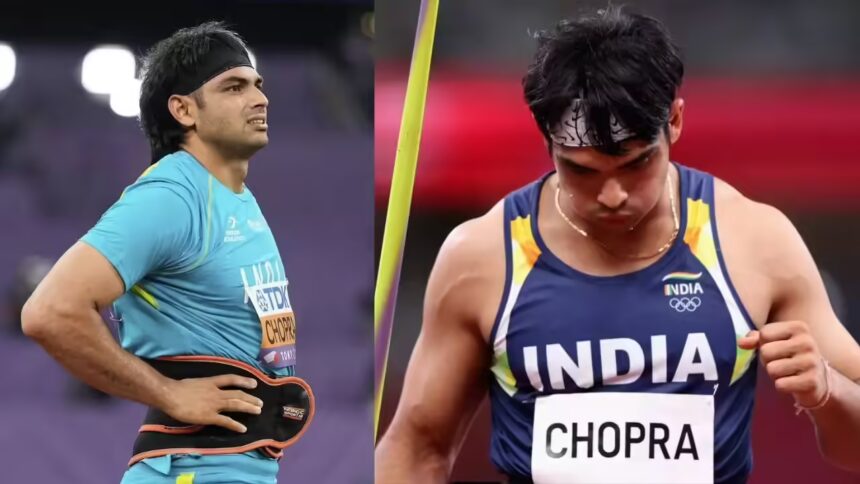
Neeraj Chopra, India’s track and field sensation and Tokyo Olympics javelin gold medallist, experienced a rare setback at the 2025 World Athletics Championships. For the first time since September 2018, Neeraj Chopra finished outside the top three, ending a remarkable podium streak that had defined his career. The 27-year-old athlete revealed that a back injury sustained just two weeks before the competition affected his performance, yet he chose not to disclose it publicly, determined to compete despite the challenges. The final, held in Tokyo, showcased the unpredictability of elite athletics, with Neeraj Chopra placing eighth amid adverse conditions and stiff competition, while highlighting the growing global presence in men’s javelin throw.
Setback Amidst an Illness-Free Run of Success
Neeraj Chopra’s rise to global prominence has been marked by consistent brilliance, beginning with his historic gold at the Tokyo Olympics. That victory established him not only as India’s first track and field Olympic champion but also as a symbol of the country’s growing presence in international athletics. However, Thursday’s performance at the World Championships revealed the vulnerability even elite athletes face. Neeraj Chopra explained to reporters that he had been dealing with a back issue for two weeks prior to the event but had chosen not to inform anyone, attempting to push through the discomfort.
The injury occurred during training in early September, when Neeraj Chopra felt a sudden pull on his lower back while performing a front throw drill, a technique incorporated as part of his regular shot put training. The strain affected the side of his back that stabilizes his left leg during javelin throws. Neeraj Chopra described how the incident left him unable to walk properly and led to an MRI in Prague the following day, which confirmed a disc problem. Despite the injury, he continued rehabilitation and traveled to Tokyo, uncertain if he would be fit enough to compete, demonstrating his resilience and determination.
Even though Neeraj Chopra had maintained strong physical form through most of 2025 and exceeded the 90-meter mark early in the season, the back problem disrupted his technical precision in Tokyo. During the final, issues with his run-up and protective adjustments to his back led to misaligned throws, and a slip on his fifth attempt due to rain further complicated his performance. Neeraj admitted that despite the setback, he gave his best effort and remained focused on completing the competition, underscoring his professionalism and commitment to the sport.
Neeraj Chopra’s coach, Jan Zelezny, recognized that technical perfection was unlikely under the circumstances, yet their strategy focused on minimizing further injury while trying to maintain competitive throws. While the qualification round did not reveal the full impact of Neeraj Chopra’s physical challenge, the final became a test of both skill and endurance under less-than-ideal conditions.
Historic Global Competition and Rising Contenders
The 2025 World Championships final highlighted the increasingly competitive and global nature of men’s javelin throw. The event saw 2012 London Olympic champion Keshorn Walcott of Trinidad and Tobago clinch gold with an 88.16-meter throw, marking his first World Championship victory in 13 years. Walcott was the only finalist to surpass 88 meters, demonstrating the high caliber of competition Neeraj Chopra faced. Despite this, Neeraj Chopra could draw some consolation from India’s strong representation, with fellow athlete Sachin Yadav achieving a personal best of 86.27 meters, narrowly missing the podium by just 40 centimeters.
This competition underscored a broader shift in men’s javelin, with no European athletes securing top-three finishes at the World Championships, a trend first observed at the Paris Olympics in 2024. The rise of Asian athletes, including Neeraj Chopra and Pakistan’s Arshad Nadeem, reflects the globalization of the sport and the increasing depth of talent across continents. Neeraj Chopra’s placement, though disappointing in the context of his podium streak, still represents a strong showing given the circumstances of injury and adverse weather during the final.
Neeraj Chopra’s reflection on the event highlighted both the challenges and the silver linings of his experience. While his hopes of producing a decisive throw did not materialize, he expressed pride in the achievements of his compatriots and the resilience shown by the Indian contingent. Seeing Sachin Yadav perform at near-podium levels reinforced Neeraj Chopra’s belief in the future of Indian athletics and the sustained growth of javelin talent in the country.
Neeraj Chopra candidly addressed the emotional impact of finishing outside the top three, noting that it was his first time in over 2,500 days to experience such an outcome. He emphasized the human side of elite competition, acknowledging physical limitations while maintaining perspective on the broader journey of his athletic career. Despite the setback, Neeraj Chopra’s resolve to learn from the experience reflects his dedication to improvement and his understanding that even the greatest athletes encounter occasional challenges.
The World Championships also highlighted the tactical and environmental difficulties athletes face in major competitions. Rain during the event added an unpredictable element to the final throws, further testing Neeraj Chopra’s ability to perform under pressure while managing a recent injury. These conditions, combined with technical misalignments, made achieving a podium finish exceptionally challenging, underscoring the fine margins that define success at the highest level of sport.
Neeraj Chopra’s commitment to overcoming adversity serves as an example for younger athletes and demonstrates the importance of perseverance in elite sport. His decision to compete despite injury reflects not only personal courage but also a broader sense of responsibility to represent India on the global stage. The experience emphasizes the delicate balance between pushing for excellence and maintaining long-term physical health in a sport as technically demanding as javelin throw.
Furthermore, the Championships highlighted the psychological aspects of athletic performance. Neeraj Chopra’s ability to stay composed, support teammates, and remain focused on achieving his personal best amidst disappointment illustrates his maturity and mental fortitude. This aspect of competitive sports is often overlooked but plays a crucial role in sustaining long-term success and resilience, particularly when facing setbacks that challenge an athlete’s confidence and expectations.
Neeraj Chopra’s experience also sheds light on the dynamics of mentoring and leadership within Indian athletics. By celebrating Sachin Yadav’s near-podium performance, Neeraj Chopra exemplified sportsmanship and team-oriented thinking, inspiring younger athletes to pursue excellence while learning from senior competitors’ experiences. This mentorship culture contributes to the development of a robust pipeline of talent in Indian track and field, ensuring sustained competitive performance at international levels.
In reflecting on the event, Neeraj Chopra emphasized that setbacks are a natural part of an athlete’s journey. His candid discussion of injury, preparation, and competition strategy provides valuable insight into the realities of elite sports, particularly in disciplines where precision, strength, and timing intersect. The World Championships serve as a reminder that even Olympic champions are not immune to challenges, and that resilience, adaptability, and continuous learning are essential traits for maintaining excellence over time.
The 2025 World Championships marked a continuation of the evolving narrative in men’s javelin throw, characterized by global talent diversification, technological and training advancements, and heightened competitive intensity. Neeraj Chopra’s eighth-place finish, while ending an exceptional podium streak, does not diminish his contributions to Indian sport or the legacy he has already established. Instead, it offers an opportunity for reflection, learning, and renewed focus on future competitions, including the upcoming Olympic cycles and international championships.
Neeraj Chopra’s performance in Tokyo also highlighted the strategic interplay between physical preparation and competition-day execution. Managing injury while attempting to perform at peak levels requires a combination of technical skill, mental resilience, and tactical adjustments. Neeraj Chopra’s willingness to adapt his throws to protect his back demonstrates a sophisticated understanding of risk management and long-term athletic sustainability, lessons that are invaluable for any elite athlete navigating the pressures of international competition.
Ultimately, Neeraj Chopra’s experience reinforces the human dimension of elite athletics, reminding fans and aspiring athletes that perseverance, adaptability, and dedication are essential components of sustained success. His approach to overcoming injury, supporting teammates, and competing at the highest level despite physical challenges exemplifies the qualities that have made him one of India’s most celebrated and influential athletes in track and field.
The Tokyo World Championships also served to highlight the depth of talent in men’s javelin throw globally. Neeraj Chopra’s participation, along with fellow Indian athlete Sachin Yadav, illustrates India’s rising status in the discipline and signals the continued growth of the sport on the Asian continent. The near-podium finishes and competitive throws demonstrate that India is producing athletes capable of challenging established powers in the field, reinforcing the country’s trajectory toward becoming a consistent presence on the global athletics stage.
Neeraj Chopra’s candid remarks about his back issue, combined with his reflections on the competition and younger athletes’ performances, provide a comprehensive picture of the challenges and triumphs faced by elite competitors. The event in Tokyo underscores the unpredictable nature of sport, where even seasoned champions must navigate injuries, environmental factors, and intense competition to perform at their best.