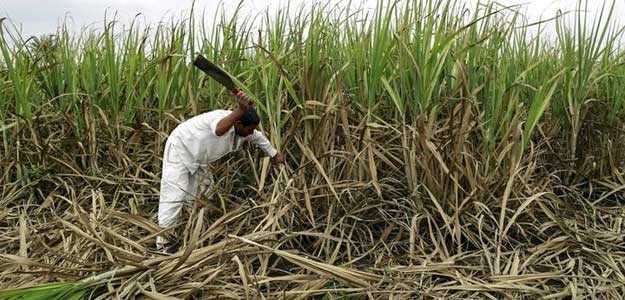
A government fund designed to aid farmers in Madhya Pradesh during times of agricultural stress has allegedly been misused to the tune of over 90%, fueling vehicles and paying drivers instead of delivering fertiliser subsidies or farm training. This misuse, exposed by a recent report of the Comptroller and Auditor General of India (CAG), has raised serious questions about financial priorities and systemic negligence across multiple governments in the state.
Between the financial years 2017-18 and 2021-22, a staggering Rs 4.79 crore out of the total Rs 5.31 crore under the Fertilizer Development Fund (FDF) was spent not on crops, but on transport-related expenses—including fuel, maintenance, and drivers’ salaries for government vehicles. This revelation has not only shocked legislators but also exposed a bureaucratic drift away from the original mission of farmer welfare.
Fund diverted across BJP and Congress regimes
What makes the misuse even more concerning is that it spanned three state governments, involving two BJP-led administrations under Shivraj Singh Chouhan, now the Union Agriculture Minister, and a brief Congress regime led by Kamal Nath. Regardless of political leadership, the FDF, originally intended to subsidize fertilisers during natural calamities, support Primary Agricultural Credit Societies (PACS), and enhance fertiliser management, became instead a financial resource to maintain state-owned cars.
At the state level, Rs 2.77 crore was spent, including a shocking Rs 2.25 crore on just 20 vehicles. Little to no effort was made to direct the fund toward its primary objectives such as farmer training programs or crisis-related subsidies. In fact, only Rs 5.10 lakh from the entire fund went towards direct farmer assistance, underlining the massive gap between purpose and execution.
Farmers burdened, no scientific planning
In addition to the misuse of funds, the CAG also highlighted other systemic flaws in the fertiliser distribution system. One of the most notable was the failure of the Madhya Pradesh State Cooperative Marketing Federation (Markfed) to pass on supplier rebates to farmers. These rebates were offered on key fertilisers like Diammonium Phosphate (DAP) and Muriate of Potash (MOP), but Markfed absorbed the rebates instead of transferring them to the end-users. As a result, farmers bore an additional burden of Rs 10.50 crore.
Further compounding the problem, in 2021-22, Markfed incurred a loss of Rs 4.38 crore by purchasing fertilisers at higher rates and selling them at subsidised prices to farmers without proper cost management. This shortfall was ultimately absorbed by the public exchequer, causing indirect losses to the taxpayer.
Even more alarming was the complete lack of scientific planning in fertiliser distribution. Despite having access to soil data, crop patterns, and district-level agricultural insights, the state government based its annual fertiliser allocations solely on the previous year’s consumption. This method ignored key variables such as changes in crop type, land under cultivation, and regional weather trends. Notably, areas cultivating vegetables and horticultural crops—which have distinct nutrient requirements—were overlooked from 2017 to 2022.
When questioned about the fund usage, the principal secretary of the Cooperation Department argued that spending on vehicles was essential for monitoring and supervision of fertiliser distribution. However, the CAG report dismissed this justification, stating clearly that vehicle-related expenditures had eclipsed the FDF’s fundamental objectives.
The CAG’s findings paint a stark picture of administrative apathy and skewed financial priorities. At a time when farmers across India are demanding greater support for rising input costs, unpredictable climate events, and diminishing returns, the report reveals a systemic failure to deliver even basic support from dedicated welfare funds.
Though the Fertilizer Development Fund was never meant to act as a substitute for the government’s transport budget, the actual implementation suggests otherwise. Instead of training farmers, subsidising inputs during calamities, or strengthening cooperative societies, crores of rupees were used to run a fleet of vehicles. With the issue now public, it remains to be seen whether state authorities will be held accountable or if the findings will dissolve into yet another missed opportunity for reform.
The misuse of FDF resources not only undermines farmer trust in public institutions but also highlights a deeper malaise: the routine repurposing of welfare funds to serve administrative conveniences. Without strong oversight, clear mandates, and periodic audits, such funds are vulnerable to misuse, no matter the political leadership in charge.