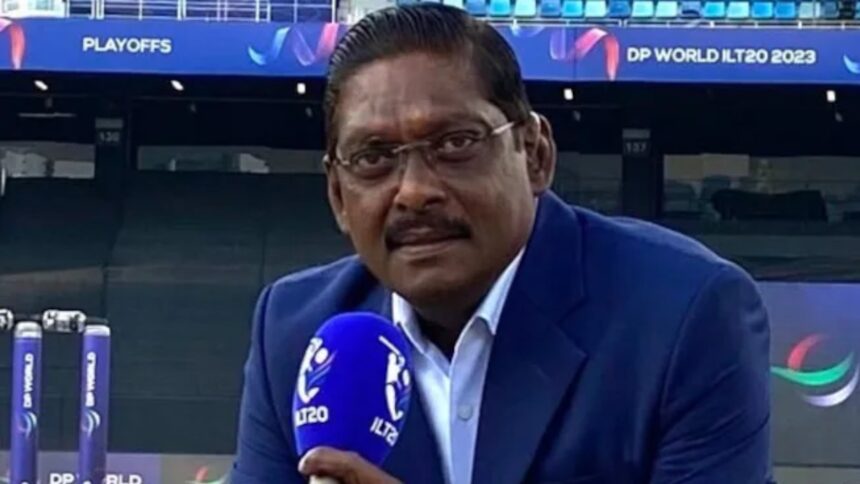
Former India cricketer and veteran commentator Laxman Sivaramakrishnan has stepped down from the commentary panel of the Board of Control for Cricket in India, alleging discrimination and racism within the system. The 60-year-old made the announcement through a series of posts on X (formerly Twitter), expressing deep frustration over what he described as years of being overlooked despite his long-standing association with cricket broadcasting. His statements have triggered widespread discussion within the cricketing community, raising concerns about fairness, representation, and opportunities in sports media.
Sivaramakrishnan’s decision marks the end of a commentary career spanning more than two decades. Known for his outspoken nature and deep insights into the game, he has been a familiar voice in Indian cricket since the early 2000s. However, his recent remarks suggest that his experience behind the microphone was not as rewarding as it may have appeared publicly. By bringing up issues such as unequal opportunities and alleged bias, he has opened up a sensitive conversation about the inner workings of cricket broadcasting in India.
Allegations of Discrimination and Lack of Opportunities
In his posts, Sivaramakrishnan highlighted that he was rarely assigned prominent roles such as conducting toss interviews or presenting post-match awards during his long tenure as a commentator. He claimed that newer commentators were frequently given these opportunities, while he remained sidelined. According to him, this pattern continued for over 23 years, raising questions about the criteria used for assigning on-field responsibilities.
He also hinted at deeper issues within the broadcasting ecosystem, suggesting that there is more to the story than what is currently known. In one of his posts, he mentioned that a “new story of TV production” would soon emerge, indicating that his resignation might be linked to broader systemic concerns. While he did not provide detailed evidence, his statements have fueled speculation about the functioning of production and commentary teams associated with cricket coverage.
The controversy intensified when Sivaramakrishnan responded to a user’s query about whether his skin colour played a role in his treatment. He affirmed the suggestion, stating that racism and colour discrimination were factors behind his experience. These remarks have added a serious dimension to the issue, as allegations of racism in Indian cricket have historically been rare but highly sensitive.
Reactions from Cricket Fraternity and Ashwin’s Response
The resignation and allegations quickly drew reactions from the cricketing community. Ravichandran Ashwin responded to Sivaramakrishnan’s post with surprise, questioning why he would step away from commentary, especially during a major tournament like the IPL. Ashwin’s reaction reflects the respect Sivaramakrishnan commands within the cricket fraternity and the unexpected nature of his decision.
Interestingly, the two have had differences in the past. Sivaramakrishnan had previously criticised Ashwin’s performances in overseas conditions, particularly in SENA countries (South Africa, England, New Zealand, and Australia). He had also made controversial remarks about pitch conditions in India favouring certain bowlers. Despite these past disagreements, Ashwin’s response indicates a sense of concern and acknowledgment of Sivaramakrishnan’s contribution to the game.
The broader cricketing community has yet to issue an official response to the allegations. The Board of Control for Cricket in India has not made any public statement regarding the claims, leaving room for further developments. As discussions continue, there is growing interest in whether the board or broadcasting partners will address the issue and provide clarity.
Career, Legacy and Impact on Cricket Commentary
Laxman Sivaramakrishnan’s journey in cricket began as a promising leg-spinner in the early 1980s. He made his debut for India at a young age and quickly gained recognition for his ability to bowl leg-spin, googlies, and top-spin deliveries. One of the highlights of his playing career was his performance against England in 1984, where he took 12 wickets in a match, showcasing his talent on the international stage.
He was also part of India’s squad during the 1985 World Championship of Cricket in Australia, contributing to the team’s success. Although his playing career was relatively short, he transitioned successfully into commentary, where he built a reputation as an articulate and insightful analyst. Over the years, he became known for his candid opinions and willingness to speak his mind, traits that earned him both admiration and criticism.
His departure from the commentary panel marks the end of an era for many fans who have followed his voice and analysis over the years. It also raises questions about the future of commentary in Indian cricket, particularly in terms of diversity and inclusivity. As the industry evolves, there is increasing emphasis on bringing in new voices, but this must be balanced with respect for experienced commentators who have contributed significantly to the field.
Broader Debate on Fairness and Representation in Sports Media
The controversy surrounding Sivaramakrishnan’s resignation highlights broader issues related to fairness and representation in sports media. Commentary panels play a crucial role in shaping the viewer’s experience, and the selection of commentators often reflects the priorities and values of broadcasting organisations. Allegations of bias or discrimination can undermine trust and raise concerns about transparency.
In recent years, there has been a push towards greater diversity in sports broadcasting, with efforts to include voices from different backgrounds and perspectives. While this is a positive development, it also brings challenges in ensuring that opportunities are distributed fairly and based on merit. Sivaramakrishnan’s claims suggest that there may be gaps in this process, which need to be addressed.
The situation also underscores the importance of open dialogue and accountability. If concerns about discrimination are raised, they need to be taken seriously and investigated thoroughly. This not only helps in resolving individual grievances but also contributes to building a more inclusive and equitable environment.
As the story continues to unfold, it remains to be seen how the cricketing authorities and broadcasting bodies will respond. Whether this leads to meaningful changes in the system or remains a standalone controversy will depend on the actions taken in the coming days. What is clear, however, is that Sivaramakrishnan’s decision has sparked an important conversation that goes beyond cricket and touches upon larger societal issues.