Comedian Kunal Kamra has found himself at the center of controversy after his stand-up special “Naya Bharat,” which includes a satirical take on Maharashtra Deputy Chief Minister Eknath Shinde, was flagged for copyright violations on YouTube. The issue escalated when T-Series, a leading Bollywood studio, blocked the video, citing infringement of musical composition rights. The dispute has ignited a broader debate on fair use, satire, and creative freedom in India.
Kunal Kamra took to social media platform X to criticize T-Series, calling them a “stooge” and arguing that parody and satire legally fall under fair use. He emphasized that he did not use the original lyrics or instrumental music of the song, contending that if such takedowns become the norm, even cover songs and dance videos could face removal. Kunal Kamra also urged content creators to take note of this precedent, warning against monopolistic control in India’s entertainment industry.
The video, released on March 23, had garnered over 7.6 million views and nearly 600,000 likes before being blocked. Due to the copyright claim, it was also demonetized, preventing Kunal Kamra from earning revenue from its views. In response, T-Series issued a statement asserting that Kunal Kamra had not obtained any authorization or approval for using their musical work, thereby justifying the video’s takedown.
Meanwhile, the controversy surrounding Kunal Kamra extends beyond the copyright dispute. His parody of the song “Bholi Si Surat” from the 1997 film “Dil To Pagal Hai” was interpreted as a direct dig at Eknath Shinde. The song, which included the word “gaddar” (traitor), was widely perceived as a reference to Eknath Shinde’s defection from the Shiv Sena in 2022, which led to the downfall of the Uddhav Thackeray-led government in Maharashtra.
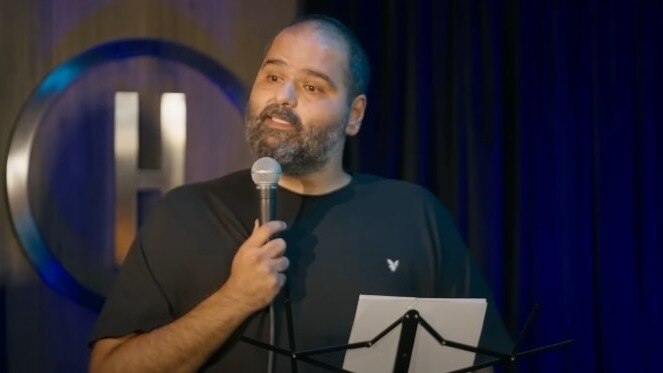
Following the release of Kunal Kamra’s show, Shiv Sena workers vandalized the Habitat Comedy Club in Mumbai, where the performance was recorded. The police arrested 12 individuals linked to the incident, but they were later granted bail. Additionally, a case was filed against Kunal Kamra himself, prompting an ongoing police investigation. The Mumbai Police summoned Kunal Kamra for questioning, but he requested a week’s extension, which was denied. Authorities have since issued another summons.
Eknath Shinde has responded to the controversy by alleging that Kunal Kamra’s act was not mere satire but part of a larger political conspiracy. He claimed that Kunal Kamra was targeting him on behalf of those who had given him a “supari” (contract) to do so. Despite the mounting legal pressure, Kunal Kamra has maintained that he will not apologize and has expressed his willingness to cooperate with the police and courts for any lawful proceedings.
This incident underscores the growing tensions between creative expression and political sensitivities in India. While Kunal Kamra’s supporters argue that satire should be protected as a legitimate form of political critique, his detractors insist that his content crossed ethical lines. As the legal battle unfolds, the case could set a significant precedent for freedom of speech and the boundaries of satire in the country.