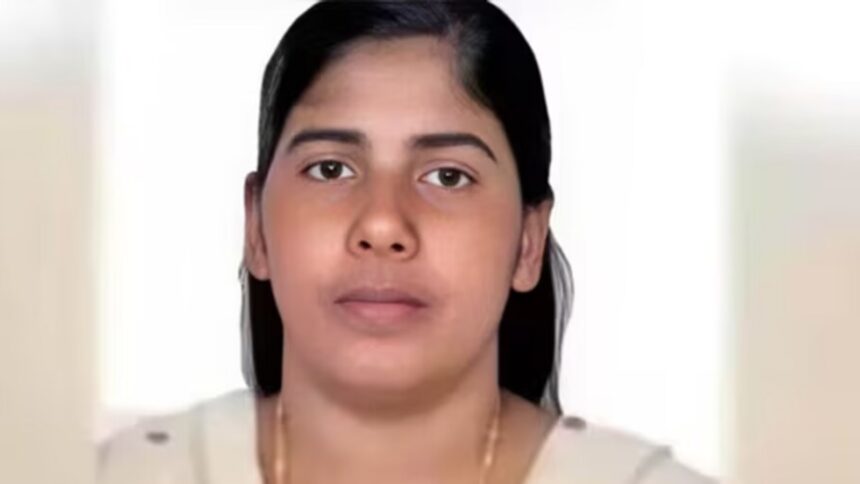
When the sun rose over Sana’a on July 16, a sliver of hope opened for Nimisha Priya, the Kerala nurse on death row in Yemen, as late-night negotiations managed to delay her scheduled execution just hours before it was to take place. After days of despair and endless calls, her supporters found a path through faith and persistence when diplomacy seemed to have reached its limits, giving Nimisha a narrow window to plead for her life under Yemen’s Sharia law.
A Desperate Fight for Time
Nimisha Priya’s case has captured national attention over the years. A trained nurse, she moved to Yemen in 2008 to work and support her family. Her life took a tragic turn when she found herself trapped in an abusive relationship with her Yemeni business associate, Talal Abdo Mahdi. In 2017, Nimisha was convicted of drugging him—allegedly to retrieve her passport so she could escape—but the situation spiralled out of control when he died of an overdose. In a panic, she dismembered his body in an attempt to hide the crime, a decision that would haunt her forever and lead to her receiving a death sentence under Yemeni law.
The execution was scheduled for July 16, 2025, a date that loomed heavily over Nimisha, her family, and the Save Nimisha Priya International Action Council that has been working tirelessly to save her. Under Yemen’s Sharia law, there was still one hope left: if the victim’s family agreed to accept ‘diya’—blood money—and issue a pardon, the death sentence could be revoked. Reports indicated that Nimisha’s supporters offered as much as $1 million as compensation, but the victim’s family refused to engage for weeks.
Faith, Not Diplomacy, Opened the Door
As the deadline approached, the Indian government and official diplomatic channels faced limitations due to Yemen’s ongoing conflict, leaving the council with few formal options. Subhash Chandran, lawyer and a core member of the action council, explained that while diplomacy played a role, it was faith-based backchannel efforts that finally broke the deadlock.
“Diplomacy has its limits in a war-torn country like Yemen,” Subhash Chandran said. “The Indian government tried, but the challenges were immense. It was the intervention of religious leaders, particularly Kanthapuram A.P. Aboobacker Musliyar from Kerala, that made a difference. Using connections with Yemeni clerics and political figures, these leaders managed to initiate dialogue directly with the victim’s family.”
Late into the night before the execution, the family of Talal Abdo Mahdi agreed to speak with Nimisha’s representatives for the first time since the case began. Subhash Chandran described it as a moment of cautious relief: “By late morning, the execution was deferred. We got what we wanted—some time to persuade the family now.”
The Save Nimisha Priya International Action Council expressed gratitude to the Yemeni authorities for providing this critical pause. The council believes this brief window could determine whether Nimisha will be spared or face execution, highlighting that this phase is no longer about legal proceedings but about mercy and forgiveness.
Subhash Chandran was clear that the legal route has been exhausted, with all appeals completed, and now the only way Nimisha can be saved is if the victim’s family accepts the diya. “If they accept, Nimisha lives. If not, we will lose her,” he said.
A Plea to India and the Public
Making a direct appeal, Subhash Chandran called upon the Indian government, religious leaders, and citizens to step in and support efforts to secure Nimisha’s pardon. “The window is open, but we don’t know for how long. We need every ounce of support to show that there is remorse and a willingness to find a resolution,” he said.
Nimisha’s husband, family, and the action council remain hopeful that this unexpected deferral will transform into a permanent reprieve, giving a second chance to a woman who went to Yemen seeking a better future but became trapped in a nightmare she never anticipated.
As India watches, the fight to save Nimisha Priya has become a case that transcends borders, testing the power of diplomacy, faith, and humanity in the most difficult of circumstances, reminding all that sometimes, the smallest sliver of hope can be enough to keep a life hanging by a thread.