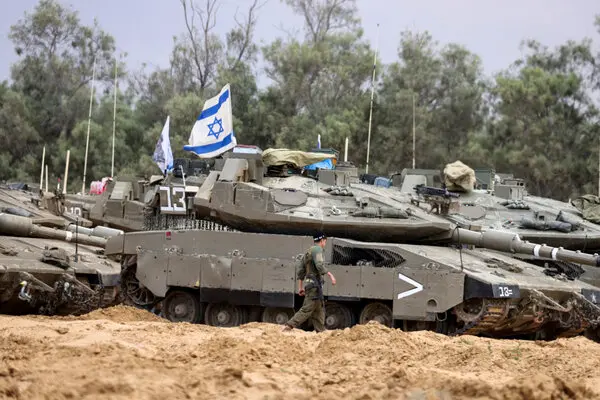
Israeli Prime Minister Benjamin Netanyahu has announced plans to escalate military actions in Gaza, signaling a shift toward fully “conquering” the territory. His statement follows the approval of an expanded military operation by Israel’s security cabinet, with plans to displace Gaza’s population southward. This comes after Israel mobilized tens of thousands of reservists, reinforcing its presence in the besieged Palestinian enclave. Benjamin Netanyahu emphasized that the operation would not be a brief incursion but a sustained effort to control and secure the area, including a possible long-term military occupation.
Operation Gideon’s Chariots and Hostage Rescue
In an effort to suppress Hamas and secure the release of Israeli hostages, the military has rolled out Operation Gideon’s Chariots. The operation, which has been unanimously approved by Israel’s security cabinet, aims to disrupt Hamas’ control and protect Israeli communities. Benjamin Netanyahu has confirmed that the strategy is not about short-term raids but the complete seizure and control of Gaza’s territory. The operation’s full force is contingent on the results of diplomatic talks, particularly concerning hostage negotiations. If no resolution is reached, the operation will proceed with its objectives, which include relocating Gaza’s population to the southern part of the enclave.
The plan also hints at a potential lifting of the humanitarian blockade, with Israel maintaining control over any territory it captures. The military’s intent is clear: a long-term presence in Gaza, which could lead to the annexation of the area, depending on the progression of the conflict.
Israel’s Stance on Hostage Return and Military Expansion
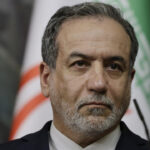
While the goal of the operation is focused on returning hostages, Israeli officials, including Brig. Gen. Effie Defrin, have made it clear that defeating Hamas is equally critical. However, this viewpoint has sparked criticism, particularly from families of the hostages, who are concerned that the Israeli government might prioritize military objectives over negotiations for their loved ones’ release. The far-right members of Benjamin Netanyahu’s cabinet, including Finance Minister Bezalel Smotrich, have publicly backed the idea of annexing Gaza, reinforcing the belief that once the territory is secured, Israel will not retreat, regardless of hostage deals.
As tensions rise, Israel’s strategy continues to face significant international scrutiny. The UN has raised alarms about the potential humanitarian crisis that may result from the expansion of Israel’s military operations. Calls for a renewed ceasefire and humanitarian aid have been made, but political divisions within Israel’s government complicate the delivery of much-needed assistance to Gaza. Despite this, Israel is in talks with international organizations to devise a mechanism for ensuring that aid reaches civilians without being diverted by Hamas. This ongoing debate underscores the challenges Israel faces as it navigates military, political, and humanitarian concerns in the region.