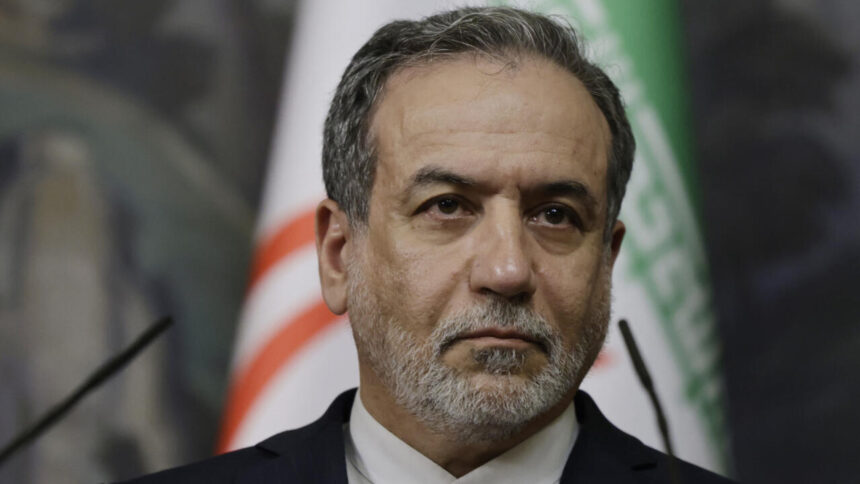
Iran’s Foreign Minister, Abbas Araghchi, recently criticized Israeli Prime Minister Benjamin Netanyahu, accusing him of attempting to involve the United States in a growing Middle East crisis. Abbas Araghchi’s remarks came as tensions continue to escalate between Israel, Iran, and their respective allies in the region. The Iranian official warned that any aggressive action against Iran could result in severe consequences and directly called out Benjamin Netanyahu for his actions in the ongoing conflicts, especially in Gaza and Yemen.
Abbas Araghchi’s Accusations Against Benjamin Netanyahu
Abbas Araghchi claimed that Benjamin Netanyahu was meddling in U.S. internal politics, pushing the Trump administration into what he described as another disastrous intervention in the region. “Benjamin Netanyahu is directly meddling within the U.S. Government to drag it into another disaster in our region,” Abbas Araghchi wrote, stressing that any wrong move against Iran would have grave repercussions. He accused Benjamin Netanyahu of trying to influence President Donald Trump’s diplomatic stance, particularly in negotiations with Iran. The Iranian foreign minister highlighted U.S. support for Israel in its battle against Hamas in Gaza, as well as American retaliatory strikes on Iranian-backed Houthi rebels in Yemen, who had been targeting Israel and Red Sea vessels during the ongoing Gaza conflict.
Tensions Over Nuclear Negotiations and Iran’s Nuclear Program
These statements came after the suspension of nuclear talks between Iran and the U.S. A session planned for Saturday was postponed by Oman, the mediator, citing logistical reasons. The U.S. and Iran have had several rounds of discussions since April 12, marking the highest-level contact between the two nations since the U.S. withdrew from the 2015 nuclear deal under President Trump’s leadership. Benjamin Netanyahu has called for the dismantling of Iran’s nuclear program, insisting that Iran’s uranium enrichment capabilities should be fully eliminated to prevent the development of nuclear weapons. In contrast, President Trump has suggested he might accept an agreement allowing Iran to retain a civilian nuclear program aimed at generating electricity, although he insists that the nuclear weapon issue must be fully addressed.
Abbas Araghchi, however, emphasized the need for diplomatic negotiations based on mutual respect and interests. He called on the U.S. to abandon what he termed “unrealistic and illogical” positions in the nuclear talks. The Iranian foreign minister expressed Tehran’s readiness to engage in discussions with the European signatories of the 2015 nuclear agreement— the United Kingdom, France, and Germany— in a bid to resolve concerns about Iran’s nuclear ambitions. Despite accusations from Western nations that Iran is seeking to build a nuclear bomb, Tehran continues to deny such claims, stating that its nuclear program is strictly for peaceful purposes.
Abbas Araghchi’s statements underscore the complexities surrounding the Middle East’s political and military landscape, with the U.S. and Israel at odds with Iran over several contentious issues. The outcome of ongoing talks and the strategic moves made by all parties involved will significantly impact the future of the region.