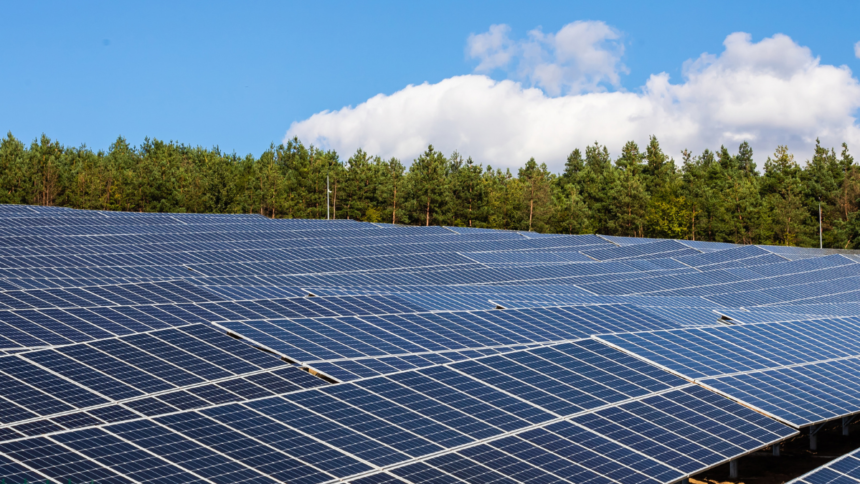
As Israel faces a rapidly increasing demand for electricity, the government is turning to its citizens for help in producing more power. The country is encouraging residents to install solar panels on their rooftops, harnessing the sun as a key natural resource to both generate electricity and potentially profit from it. This initiative comes at a time when renewable energy currently accounts for only 15% of Israel’s total electricity production, with the remainder largely generated by natural gas. However, the Energy Ministry has set an ambitious target of increasing the share of renewable energy to 30% by 2030, with a long-term aim to achieve net-zero emissions by 2050.
Ron Eifer, head of the ministry’s sustainable energy division, spoke to Reuters about the government’s vision, emphasizing the transition from citizens being passive energy consumers to active participants in the energy sector. “This is what the energy transition is all about – from (people) being a consumer to becoming an active member in the energy sector and becoming a producer,” Eifer explained.
Several Israeli households are already generating energy for their own use by installing solar panels on their roofs, and many of these homes sell the surplus electricity back to the national grid. These homes together contribute roughly 6,700 megawatts of capacity to the national grid. However, the Energy Ministry has recognized the need to significantly expand this capacity. With the average family consuming around 8,000 kilowatts per year, the ministry aims to increase the number of households generating solar power to meet the rising demand.
To make this process more accessible and efficient, the Energy Ministry launched a new mapping website on Tuesday. This tool allows residents to enter their address and receive information on how much roof space they have available for installing solar panels. It also calculates the potential amount of electricity they could generate, as well as the income they could earn from selling any excess energy to the grid.
Yossi Dayan, the director general of the Energy Ministry, stressed that the initiative was designed to benefit both individual households and the nation as a whole. “We want to encourage citizens and local authorities to install solar roofs,” Dayan said, adding that it would not only help reduce electricity bills but also provide energy security for families during emergencies, all while contributing to a greener, cleaner environment.
While many Israeli homes already have solar panels installed to heat water, this initiative goes a step further, tapping into the full potential of solar power to meet electricity demands. Israel’s energy consumption is growing at a rate of 3% annually, one of the highest rates among Western countries, making it essential to find sustainable solutions that meet this demand while boosting the share of renewable energy in the country’s energy mix.
The cost of purchasing the solar panels will be borne by citizens, businesses, and municipalities, with the expectation that the investment will pay off after about six years of operation. Eifer noted that Israel’s abundant sunshine and lack of other viable renewable energy sources, such as wind or hydropower, make solar energy an ideal solution. “Almost all the renewable energy we have is solar,” he said, adding that Israel’s electricity costs are considerably lower than those in countries like Germany or the Netherlands.
Israel’s geographic size and limited space make large-scale solar farms in open fields impractical. As a result, the government is promoting the use of dual-purpose land, particularly rooftops, to meet the country’s energy needs. “We are a solar country, and we are unique in that regard in the OECD,” Eifer remarked, highlighting Israel’s unique position within the organization of economically developed countries.
This new push for solar energy comes at a time when Israel is looking to position itself as a leader in renewable energy, making full use of its natural resources while addressing both environmental and economic concerns. By empowering citizens to take an active role in the energy transition, the Israeli government hopes to significantly reduce its reliance on non-renewable energy sources and ensure a more sustainable, resilient energy future.