Israel has approved a controversial military plan to take control of Gaza City, escalating its nearly two-year-long war in the Gaza Strip. The decision, made by Israel’s political-security cabinet, reflects a significant shift in the country’s military strategy, sparking concern at home and abroad. As international pressure intensifies and the humanitarian crisis deepens, the operation raises critical questions about governance, long-term intentions, and the fate of civilians and hostages caught in the conflict.
The plan centers on gaining control over Gaza City, the largest urban area in the enclave’s north, while ensuring humanitarian aid continues for civilians outside active combat zones. Israeli Prime Minister Benjamin Netanyahu reiterated that Israel does not intend to govern Gaza permanently but aims to establish a security perimeter and eventually transfer control to Arab forces. However, uncertainty looms over which countries would participate in such governance and how the transfer would unfold.
Israel’s Operational Focus and Strategy
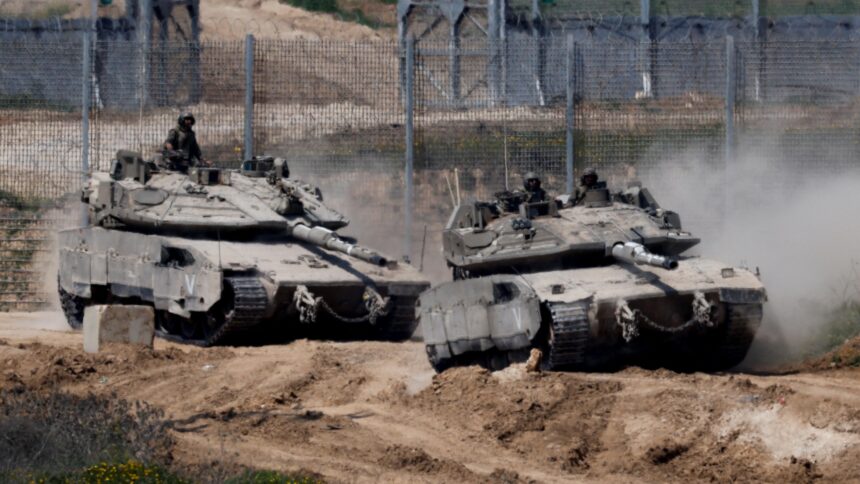
The new plan is focused specifically on Gaza City, not the entire Gaza Strip, despite Netanyahu’s broader statements about full territorial control. The Israeli Defence Forces (IDF) will reportedly conduct a ground offensive after evacuating Palestinian civilians from the area. Reports suggest the government may issue advance warnings, giving residents time to leave before military operations begin. The move follows growing dissatisfaction among government officials over the effectiveness of previous strategies against Hamas.
According to officials, the cabinet broadly agreed that alternative proposals were insufficient to defeat Hamas or secure the release of remaining hostages. Discussions are ongoing, and the plan may still require full cabinet approval. Meanwhile, internal tensions within Israel’s leadership have surfaced, with military chief Eyal Zamir reportedly opposing expansion plans during a recent high-level meeting.
Netanyahu maintains that the goal is to dismantle Hamas and ensure the release of Israeli hostages. While reaffirming Israel’s right to defend itself, he has distanced the country from long-term governance responsibilities in Gaza, stating clearly, “We don’t want to keep it. We don’t want to govern it.”
Regional Responses and Political Implications
The decision to retake Gaza City is being widely interpreted as a reversal of Israel’s 2005 disengagement policy, when the country withdrew military and civilian presence from the territory. Critics of that policy, particularly from right-wing factions, blame it for enabling Hamas’s rise to power following the 2006 Palestinian elections.
Arab nations have expressed firm opposition to Israel’s unilateral control and insist that any governance solution must reflect Palestinian will. A Jordanian official emphasized that Arab countries would support only what Palestinians agree to and decide upon, underscoring the fragile geopolitical dynamics at play. Hamas, in response, condemned Israel’s move as a “blatant coup” against ongoing negotiation efforts, accusing Netanyahu of seeking to sideline diplomatic solutions in favor of aggressive military action.
Earlier efforts to establish a post-war administrative body made up of independent Palestinian technocrats were rejected by both Israel and the U.S., further complicating the search for a sustainable governance model. Within Israel, far-right coalition members have pushed for deeper territorial control, raising concerns that the conflict may be entering an even more prolonged and complex phase.
At the heart of the escalating crisis are approximately 50 Israeli hostages still held in Gaza, with estimates suggesting only 20 may still be alive. While earlier releases were achieved through negotiations, recent ceasefire talks collapsed in July. Israel accuses Hamas of exploiting humanitarian aid to bolster its fighters and fund operations—a charge Hamas denies.
As visuals of starving children and frail hostages circulate globally, humanitarian agencies and the United Nations have raised alarms about the worsening conditions in Gaza. International outcry continues to mount as calls for restraint, humanitarian access, and the protection of civilians grow louder. Israel’s military buildup in Gaza City, if realized, may reshape the region’s future but is also likely to draw further scrutiny and backlash from an already divided global audience.