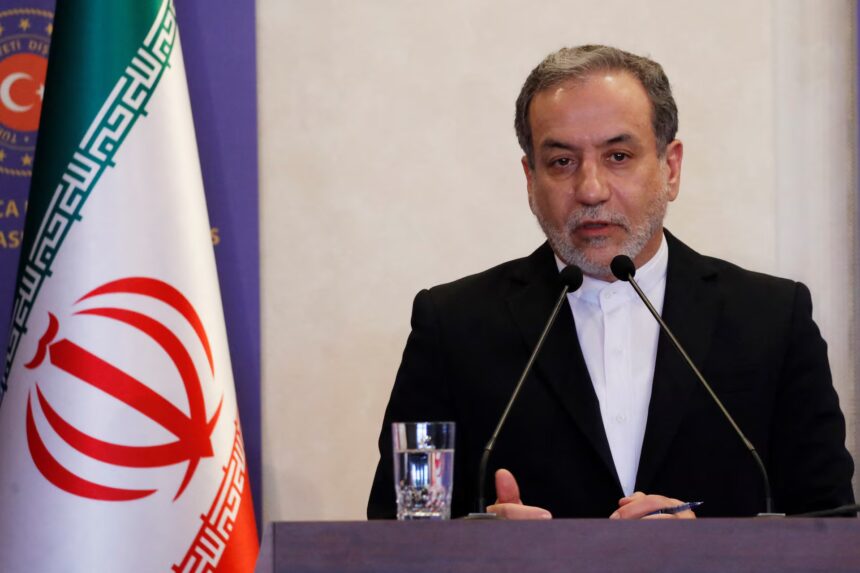
Iranian Foreign Minister Abbas Araghchi is scheduled to visit Turkey this Friday for high-level discussions with his Turkish counterpart Hakan Fidan, in what is being viewed as a critical diplomatic engagement amid mounting regional tensions. The talks come at a time of heightened concerns over Iran’s nuclear program and escalating geopolitical instability in the Middle East. Both nations are seeking to strengthen bilateral cooperation across security, trade, and regional crisis management, emphasizing dialogue and diplomacy as a means to prevent conflict and ensure stability. The visit is expected to cover a broad range of strategic issues, from regional security and military concerns to economic collaboration and counterterrorism efforts, signaling Turkey’s commitment to promoting peaceful solutions while reinforcing the longstanding ties with Iran.
Strengthening Security and Regional Stability
During the forthcoming discussions, Turkish Foreign Minister Hakan Fidan is expected to communicate Ankara’s close monitoring of developments in Iran and stress the critical importance of Iran’s security, stability, and peace for regional equilibrium. Sources indicate that Fidan will reiterate Turkey’s opposition to any form of military intervention against Iran, highlighting the severe regional and global risks that could arise from such actions. The Turkish minister is likely to underscore Turkey’s readiness to assist in reducing current tensions through constructive dialogue, offering diplomatic support aimed at achieving a swift and peaceful resolution of Iran’s nuclear dossier.
Central to the security discussions will be the focus on longstanding regional challenges, including the influence of non-state actors and cross-border militancy. Fidan is expected to raise concerns regarding the Iranian branch of the PKK, known as PJAK, stressing that neutralising this group is crucial for maintaining Iran’s internal security and overall regional stability. Both sides are anticipated to examine the broader implications of such threats, acknowledging that coordinated efforts against terrorism are essential not only for Iran and Turkey but for the wider Middle East.
In addition to these security concerns, the talks will address Turkey’s strategic interest in reinforcing regional stability through continued engagement with Iran. Ankara’s approach is expected to balance the need to protect its own national interests while supporting Iran’s sovereignty and security, highlighting the shared responsibility of both nations in mitigating conflicts that could escalate into larger crises. Discussions are also likely to explore mechanisms for joint monitoring and intelligence sharing, aiming to establish frameworks that strengthen security cooperation while reducing the potential for misunderstandings that could lead to conflict.
Turkey’s position as a regional mediator is expected to play a central role in the negotiations. Fidan will likely reaffirm Ankara’s commitment to facilitating dialogue between Iran and other key regional stakeholders, positioning Turkey as a proactive contributor to diplomatic solutions. The talks are also expected to touch upon Iran’s nuclear program, with Turkey offering its assistance to help ensure a peaceful resolution while avoiding military confrontation. By emphasizing negotiation and cooperation, both sides aim to prevent the region from sliding into further instability or conflict.
Enhancing Bilateral Trade, Economic Collaboration, and Diplomatic Ties
Economic considerations are poised to occupy a significant portion of the discussions between Araghchi and Fidan. Both nations have expressed a long-standing desire to expand bilateral trade, targeting a $30 billion trade volume, and the upcoming meeting is expected to outline concrete steps to achieve this goal. The talks will likely include measures to boost trade in key sectors such as energy, transportation, and cross-border commerce, while also exploring the development of border trade centers to facilitate smoother commercial exchanges.
Beyond trade, both Iran and Turkey are expected to discuss ways to strengthen connectivity and investment, particularly in infrastructure and energy projects. These discussions come at a time when economic resilience and diversification are priorities for both nations amid regional uncertainty. Turkey is anticipated to highlight the importance of mutually beneficial collaboration, emphasizing that enhanced economic ties can serve as a stabilizing factor, creating interdependence that supports peace and security.
In addition to trade and economic cooperation, the dialogue will address the reconstruction of Gaza and broader regional humanitarian concerns. Fidan is expected to reiterate Turkey’s support for Gaza’s reconstruction in a manner that ensures Palestinians remain on their land and enjoy peace and security. The discussion will also stress the importance of regional solidarity, particularly in response to actions by Israel that may undermine stability. Both ministers are expected to deliberate on ways regional countries can cooperate and act in a coordinated manner to mitigate conflict and protect civilian populations.
Cultural and historical ties between Turkey and Iran are also likely to feature in the talks, emphasizing the long-standing relationship that has underpinned regional diplomacy. Fidan is expected to highlight that these ties form the foundation for ongoing collaboration in security, trade, and political coordination, framing bilateral cooperation as vital for the broader Middle East’s prosperity. Strengthening these diplomatic and economic bonds not only enhances the two countries’ resilience but also positions them as key stakeholders capable of influencing regional stability positively.
The meeting will provide an opportunity to review previous cooperative efforts, assess progress on shared initiatives, and outline future strategies for deeper engagement. Discussions are expected to cover the coordination of joint projects, policy alignment on regional crises, and mechanisms to ensure that economic and security collaboration translates into tangible outcomes for both nations. Through this approach, both sides aim to establish a comprehensive framework that integrates diplomacy, security, and commerce into a cohesive strategy for regional influence and stability.
The visit by Abbas Araghchi also underscores the importance of high-level diplomacy in navigating complex regional dynamics. By engaging directly with Turkey, Iran signals its willingness to work collaboratively with neighboring powers to address mutual concerns and reduce the risk of escalation. Similarly, Turkey’s active engagement reflects its interest in balancing regional relations, supporting peaceful solutions, and ensuring that conflicts do not destabilize the wider Middle East.
Overall, the talks are expected to blend diplomacy, security strategy, and economic planning, creating a multidimensional approach that addresses immediate concerns while laying the groundwork for long-term cooperation. Both nations are likely to emphasise the strategic importance of their relationship, with Turkey acting as a mediator, facilitator, and economic partner, while Iran seeks assurance of its sovereignty, security, and economic growth. The outcomes of these discussions could have significant implications for regional geopolitics, shaping the balance of power, economic integration, and security cooperation across the Middle East.
The bilateral engagement scheduled for Friday represents not only a diplomatic milestone but also a critical test of the ability of regional powers to manage tensions and prevent escalation. With the shadow of potential conflict looming, the discussions between Araghchi and Fidan will likely focus on maintaining stability, fostering dialogue, and expanding practical cooperation in security, trade, and humanitarian concerns. As both nations navigate this high-stakes environment, the focus on constructive engagement and strategic partnership underscores a broader commitment to regional stability and peaceful coexistence.