Iran war disrupts oil supply across Asia as Bangladesh shuts universities, Pakistan cuts ministers’ salaries and Thailand enforces energy-saving restrictions amid deepening fuel crisis
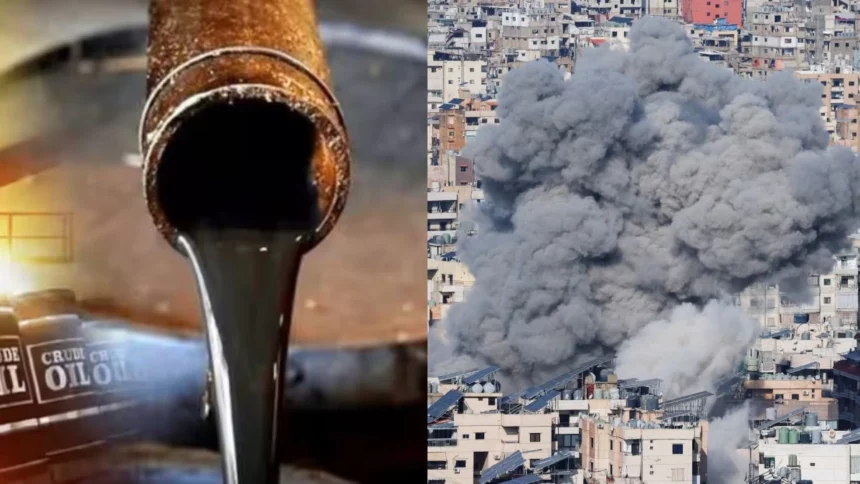
The widening conflict involving Iran has begun to create a major energy crisis across several Asian countries as disruptions in oil and gas supply affect regional economies. The closure of the Strait of Hormuz, one of the world’s most critical maritime oil routes, has severely impacted the movement of crude oil and petroleum products. Nearly twenty percent of the global oil supply passes through this route every year, making it vital for energy imports in Asia. As a result, at least nine Asian nations have begun implementing emergency measures to manage fuel shortages and conserve energy. Governments are introducing strict policies ranging from reducing government expenditure and limiting fuel consumption to imposing energy-saving regulations in public institutions.
Bangladesh has taken some of the most drastic steps in response to the emerging crisis. The government has ordered the closure of all universities across the country in order to reduce electricity consumption and ease pressure on the national energy system. Authorities also announced Eid-ul-Fitr holidays earlier than planned to further reduce power demand. Officials said that concerns about fuel shortages had triggered panic buying and hoarding in several areas. To prevent a further escalation of the crisis, the government has imposed limits on daily fuel sales and increased monitoring of fuel distribution. The shortage of natural gas has also begun affecting the country’s industrial production. Several fertilizer factories have reportedly halted operations due to reduced gas supply, raising concerns about possible disruptions to agricultural activities.
Bangladesh’s energy challenges are compounded by its heavy dependence on imported fuel. Nearly ninety-five percent of the country’s energy needs are met through imports, leaving it particularly vulnerable to global supply disruptions. Government officials say the situation is being closely monitored and additional conservation measures may be introduced if energy supplies continue to decline.
Pakistan is also facing significant economic pressure due to the surge in global oil prices caused by the conflict. Prime Minister Shehbaz Sharif has announced a series of austerity measures designed to reduce government spending and conserve fuel. Under the new policy, government offices will operate only four days a week while half of the workforce will work from home. Schools will remain closed for two weeks beginning later this week as part of the energy-saving effort.
The Pakistani government has also implemented strict measures affecting ministers and public officials. Ministers and advisers have agreed to forgo their salaries for two months, while the salaries of members of parliament will be reduced by twenty-five percent. Foreign travel by ministers and advisers has been suspended temporarily. Government departments have been instructed to reduce their expenditures by twenty percent. Additionally, government vehicles will receive fifty percent less fuel for the next two months, and sixty percent of official vehicles will remain unused during this period.
Thailand has also taken steps to conserve energy as the crisis deepens. The government has instructed public sector employees to work from home wherever possible and avoid using elevators in office buildings, encouraging the use of stairs instead. Officials who provide essential public services are exempt from this rule. The government has also temporarily suspended foreign travel for public officials as part of its cost-saving and energy-conservation strategy.
Authorities have introduced additional guidelines to reduce electricity consumption in government offices. Air conditioning temperatures have been set between twenty-six and twenty-seven degrees Celsius, and employees have been advised to wear short-sleeve clothing instead of formal suits and ties. Thailand’s energy minister stated that the country currently has about ninety-five days of energy reserves remaining. The government is attempting to secure additional liquefied natural gas supplies from countries such as the United States, Australia and South Africa.
China has adopted a strategy focused on strengthening its strategic reserves. The country has increased crude oil purchases in recent months and is storing additional supplies in strategic and commercial reserves. Authorities have also instructed domestic refineries not to sign new fuel export contracts and to halt certain existing shipments in order to ensure sufficient fuel availability within the domestic market. Experts believe this move is intended to protect China from possible long-term supply disruptions if the Middle East conflict continues.
Vietnam has also taken measures to reduce fuel consumption. The government has encouraged companies to allow employees to work from home in order to reduce commuting and lower energy demand. In addition, Vietnam has removed tariffs on certain fuel imports to maintain adequate supply within the domestic market. Officials say the government is balancing two priorities—ensuring fuel availability while reducing consumption during the global energy crisis.
South Korea is considering introducing a fuel price cap to protect consumers from rising energy costs. President Lee Jae-myung stated that the government is exploring ways to stabilize domestic fuel prices and prevent a sudden surge that could affect households and businesses. The government is also looking for alternative sources of energy that do not depend on routes passing through the Strait of Hormuz.
Japan has begun preparing contingency plans to deal with potential oil shortages. Authorities have instructed national oil storage centers to remain ready to release crude oil from strategic reserves if necessary. The order was issued by the Agency for Natural Resources and Energy to ensure that domestic oil markets remain stable even if global supply disruptions continue.
India has also experienced challenges related to fuel supply, particularly with liquefied petroleum gas. Oil refineries have been instructed to increase LPG production for domestic use. In several states including Delhi, Maharashtra, Madhya Pradesh, Uttar Pradesh and Rajasthan, the supply of commercial gas cylinders has been temporarily halted. As a result, restaurants and hotels in many cities are facing operational difficulties. Government officials say discussions are underway with restaurant associations and other stakeholders to address the impact of the shortage.
Indonesia has decided to increase fuel subsidies in its national budget to shield consumers from rising global oil prices. The government is also considering the implementation of the B50 biodiesel program, which proposes blending fifty percent palm-oil-based biodiesel with conventional diesel. This initiative aims to reduce dependence on imported crude oil while strengthening domestic energy security.
The energy crisis spreading across Asia demonstrates how geopolitical conflicts can quickly disrupt global supply chains and affect economies far beyond the immediate conflict zone. As long as tensions continue and the Strait of Hormuz remains affected, countries across Asia may be forced to adopt even stricter energy-saving measures and explore alternative fuel sources to maintain economic stability.