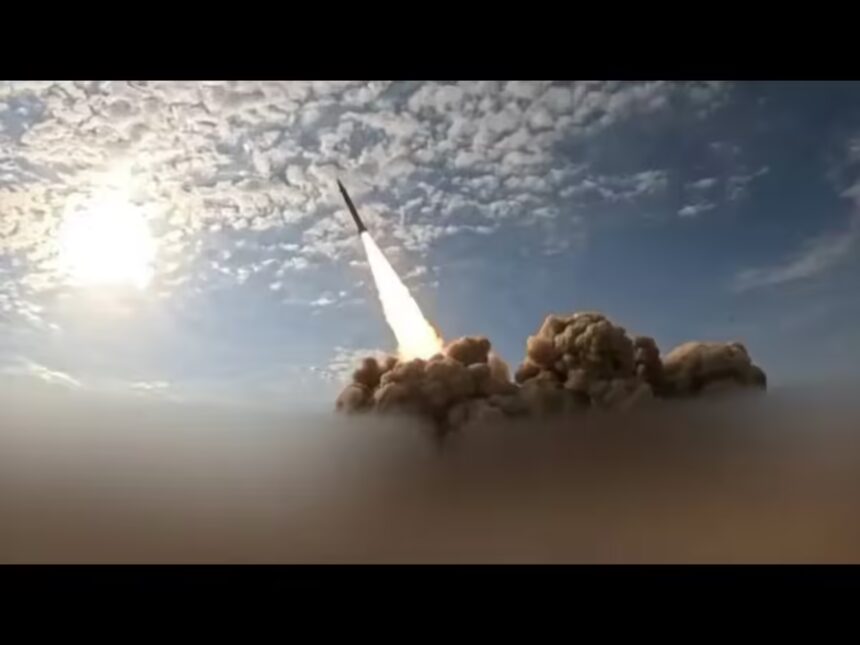
The ongoing conflict involving Iran, the United States, and Israel has taken a complex turn as fresh intelligence assessments suggest that Tehran continues to retain a substantial portion of its missile and drone capabilities despite weeks of sustained military strikes. These findings present a more nuanced reality than earlier claims by Donald Trump, who had asserted that Iran’s military capabilities had been largely dismantled during the ongoing campaign.
Intelligence Findings Challenge Claims of Complete Destruction
Recent intelligence reports, cited by international media, indicate that Iran’s missile infrastructure remains far from neutralized. According to these assessments, nearly half of Iran’s missile launchers are still intact, even after extensive aerial and naval strikes conducted over several weeks. This suggests that while damage has been inflicted, the core of Iran’s missile capability continues to function.
A significant portion of Iran’s drone arsenal also remains operational. Reports indicate that thousands of one-way attack drones are still available for deployment, highlighting the resilience of Iran’s military infrastructure. These drones have become an essential component of modern warfare strategies, allowing for cost-effective and targeted operations.
One of the key reasons for this continued capability is the strategic design of Iran’s defense systems. Many missile launchers are reportedly located underground or in fortified positions, making them difficult to detect and destroy completely. Even when targeted, some of these systems may become temporarily inaccessible rather than fully eliminated, allowing for potential recovery and reuse.
The intelligence findings further suggest that around 50 percent of Iran’s drone capabilities remain intact. This level of operational strength indicates that the country retains the ability to conduct significant offensive or defensive actions if required. Such resilience underscores the challenges faced by military campaigns attempting to neutralize deeply embedded and dispersed defense networks.
Strategic Implications and Ongoing Military Campaign
The continued presence of Iran’s missile and drone capabilities has important implications for regional security, particularly in sensitive areas such as the Strait of Hormuz. A substantial portion of Iran’s coastal defense cruise missiles is believed to remain operational, posing a potential threat to maritime traffic in one of the world’s most critical oil transit routes.
The ongoing military campaign, referred to in updates from US Central Command as Operation Epic Fury, has reportedly targeted over 12,300 sites within Iran. These strikes have significantly degraded parts of Iran’s military infrastructure and eliminated several high-ranking leaders. However, the campaign appears to have focused less on certain coastal missile systems, leaving gaps in the overall impact.
President Donald Trump has maintained that the strikes have delivered a decisive blow, claiming that Iran’s naval and air capabilities have been severely weakened and that its missile-launching capacity has been dramatically reduced. He has described the operation as highly successful, emphasizing the scale of destruction inflicted on weapons facilities and military assets.
However, the intelligence assessments present a contrasting picture, suggesting that while Iran’s capabilities have been diminished, they have not been eliminated. This divergence highlights the complexity of modern warfare, where public statements and classified intelligence can offer differing perspectives on the same situation.
The persistence of Iran’s missile capability indicates that the conflict may continue to pose risks to regional stability. It also reflects the broader challenge of achieving complete military neutralization in conflicts involving advanced and decentralized defense systems.
As the situation evolves, the gap between official claims and intelligence findings is likely to remain a focal point of analysis, shaping both strategic decisions and public perception of the conflict’s progress.