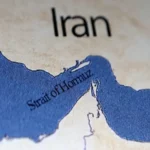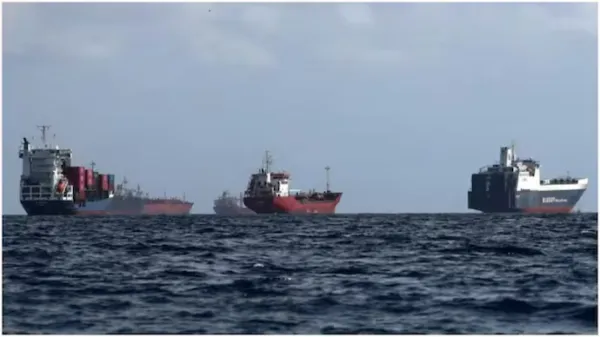
Desh Garima successfully transited the Strait of Hormuz, ensuring continuity of energy supplies despite escalating geopolitical tensions and maritime risks.
The Indian-flagged oil tanker Desh Garima has safely navigated through the highly sensitive waters of the Strait of Hormuz, marking a significant achievement for India’s maritime operations at a time of heightened regional tensions. Carrying 31 Indian crew members, the vessel is expected to arrive in Mumbai as scheduled, reinforcing confidence in India’s ability to maintain critical energy supply routes.
The successful transit comes amid increasing instability in one of the world’s most vital shipping corridors. Over recent days, the region has witnessed multiple incidents involving warning shots, vessel interceptions, and aggressive maritime positioning, largely linked to tensions between Iran and United States.
In this volatile environment, the safe passage of Desh Garima stands out as a significant development. It reflects not only operational efficiency but also the effectiveness of precautionary measures adopted by Indian authorities and maritime agencies.
The journey through the Strait of Hormuz was undertaken under challenging conditions. Reports indicate that several vessels attempting to navigate the same route faced hostile situations, including forced course changes and direct threats. In some cases, ships linked to India were compelled to retreat after encountering firing incidents.
Despite these risks, Desh Garima completed its passage without damage or disruption. Experts attribute this success to careful navigation planning, real-time intelligence support, and strict adherence to international maritime protocols.
The operation also highlights the importance of coordination between shipping companies, security agencies, and government authorities. Continuous monitoring and timely decision-making played a crucial role in ensuring the vessel’s safety.
The Strait of Hormuz is one of the most strategically important waterways in the world. A significant portion of global oil shipments passes through this narrow channel, making it a critical link in the international energy supply chain. Any disruption in this region can have far-reaching consequences for global markets.
Recent developments have turned the strait into a focal point of geopolitical tension. Iran’s efforts to assert control over maritime routes and the United States’ countermeasures have increased risks for commercial shipping. These actions have led to rising insurance costs, delays, and concerns among global shipping operators.
For India, the stakes are particularly high. The country relies heavily on oil imports that pass through the Strait of Hormuz. Ensuring uninterrupted access to this route is essential for maintaining energy security and supporting economic stability.
The safe transit of Desh Garima provides immediate reassurance that supply chains remain intact. However, it also underscores the need for continued vigilance and preparedness in the face of evolving challenges.
India has taken proactive steps to address these risks. Enhanced surveillance of maritime routes, deployment of naval assets, and close coordination with international partners are among the measures implemented to safeguard shipping operations.
Authorities have also emphasized diplomatic engagement with regional stakeholders to maintain stability in critical waterways. Protecting Indian seafarers and ensuring safe passage for vessels remain key priorities.
The successful journey of Desh Garima highlights the effectiveness of these strategies. It demonstrates India’s ability to operate efficiently even in complex and high-risk environments.
At the same time, the situation serves as a reminder of the importance of strengthening maritime security infrastructure. Investments in naval capabilities, advanced monitoring systems, and international cooperation will be essential to address future challenges.
The broader implications of the tensions in the Strait of Hormuz extend beyond regional concerns. Disruptions in this area can impact global energy prices, trade flows, and economic stability. As a result, developments in the region are closely watched by governments and markets worldwide.
The recent escalation has already led to fluctuations in oil prices and increased shipping costs. Continued instability could further strain global supply chains and create uncertainty in international markets.
Against this backdrop, the safe passage of Desh Garima offers a moment of stability. It demonstrates that, despite challenges, effective planning and coordination can ensure the continuity of essential operations.
The vessel’s journey also symbolizes resilience. It reflects the efforts of maritime professionals, security personnel, and policymakers working together to navigate complex परिस्थितियों and maintain critical services.
As Desh Garima approaches its destination, its successful transit stands as a positive development in an otherwise uncertain environment. It reinforces confidence in India’s maritime capabilities and highlights the importance of preparedness in managing risks.
Looking ahead, the situation in the Strait of Hormuz remains fluid. Continued monitoring, strategic planning, and international cooperation will be crucial in maintaining stability and ensuring the safety of global shipping routes.
In conclusion, the safe crossing of Desh Garima through the Strait of Hormuz is a significant achievement that underscores India’s resilience and operational strength. While challenges persist, this development provides reassurance that critical energy supplies can be maintained even in times of heightened tension.