A fragile ceasefire involving United States and Iran is nearing its deadline, with escalating military activity and uncertain diplomacy raising concerns about renewed conflict across the Middle East.
The Middle East is once again facing a moment of heightened uncertainty as the temporary ceasefire between the United States, Iran, and Israel approaches its expiration. What was initially intended as a short-term pause in hostilities has evolved into a complex and fragile situation, shaped by ongoing military developments and unclear diplomatic progress.
The ceasefire, agreed upon for a limited two-week period, was designed to create space for dialogue and reduce tensions. However, recent developments suggest that the situation remains volatile. Conflicting signals from key stakeholders and continued military movements have raised doubts about whether the truce can be extended or sustained.
At the center of the uncertainty is the lack of clarity surrounding potential negotiations between the United States and Iran. Donald Trump has indicated that a delegation may be sent for talks, but Iran has not officially confirmed its participation. This absence of confirmation has created uncertainty around diplomatic efforts that are critical to maintaining the ceasefire.
Reports suggest that the proposed talks may involve indirect diplomatic channels, including possible facilitation through third-party countries. However, without clear agreement from both sides, these discussions remain uncertain. Analysts point out that longstanding mistrust between the two nations continues to hinder meaningful engagement.
Diplomatic efforts are further complicated by ongoing military activity. Negotiations are not taking place in isolation but alongside escalating tensions on the ground. Experts emphasize that successful diplomacy requires a stable environment, which is currently lacking due to continued confrontations.
Timing is also a crucial factor. With the ceasefire deadline approaching, delays in initiating formal talks could lead to a rapid escalation. The situation carries significant risks, as any breakdown in the truce could trigger wider regional instability.
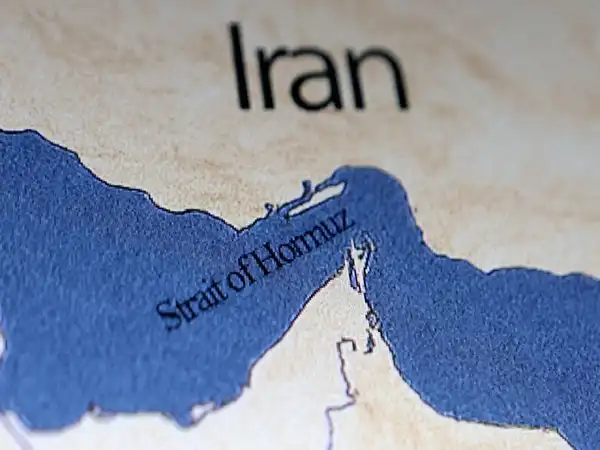
One of the most sensitive flashpoints in the current scenario is the Strait of Hormuz. This narrow passage is a critical route for global oil shipments, making it a focal point in the ongoing tensions. Iran has reportedly taken steps to assert control over the area, raising concerns about disruptions to international trade and energy supplies.
In response, the United States has increased its maritime presence in the region. Reports indicate that naval operations have intensified, including actions aimed at intercepting Iranian vessels. In one notable incident, a ship linked to Iran was seized after failing to comply with warnings, further escalating tensions.
Iran has strongly criticized such actions, describing them as hostile and warning of possible retaliation. These developments highlight the fragile nature of the ceasefire, where actions at sea could quickly escalate into broader conflict.
The situation in maritime zones reflects a broader pattern of strategic positioning by both sides. While diplomatic channels remain open, military preparedness suggests that all possibilities, including renewed confrontation, are being considered.
Amid these tensions, a parallel ceasefire in Lebanon has provided a limited sense of stability. The truce between Israel and Hezbollah has held for several days, offering a temporary break from violence. In cities such as Tyre, signs of recovery are visible as residents cautiously resume daily activities.
Shops and small businesses have reopened, and streets are gradually becoming active again. However, this calm remains fragile, with many residents expressing concern about the possibility of renewed violence. The ceasefire is seen as a temporary measure rather than a long-term solution.
The connection between developments in Lebanon and the broader U.S.-Iran dynamics adds another layer of complexity. Iran’s position on negotiations has been linked to conditions in Lebanon, indicating that multiple conflicts in the region are interconnected.
Diplomatic efforts are ongoing to sustain the Lebanon ceasefire. Discussions involving regional and international stakeholders aim to prevent further escalation and address underlying issues. These efforts are seen as essential for maintaining stability, even in the short term.
The broader implications of the current situation extend beyond the Middle East. The stability of key trade routes, particularly the Strait of Hormuz, is crucial for global energy markets. Any disruption could lead to significant economic consequences worldwide.
Humanitarian concerns also remain a major issue. Ongoing tensions and the threat of renewed conflict have affected communities across the region, leading to displacement and increased need for assistance. International organizations continue to monitor the situation and provide support where possible.
The complexity of the situation highlights the challenges of achieving lasting peace. Multiple actors with competing interests, combined with historical tensions, make it difficult to reach comprehensive agreements. The current ceasefires, while important, do not address the deeper causes of conflict.
As the deadline for the ceasefire approaches, the coming days will be critical. The possibility of renewed negotiations offers some hope, but the risk of escalation remains significant. Decisions made during this period will shape the immediate future of the region.
The situation reflects the delicate balance between conflict and diplomacy. While there are efforts to maintain peace, ongoing tensions continue to pose challenges. The outcome will depend on the willingness of key stakeholders to engage in meaningful dialogue and avoid actions that could escalate the situation.
In conclusion, the nearing expiry of the U.S.-Iran ceasefire underscores the fragile nature of the current peace efforts in the Middle East. With rising tensions, strategic confrontations, and uncertain diplomacy, the region stands at a critical juncture. The actions taken in the coming days will determine whether stability can be preserved or whether the situation moves toward renewed conflict.