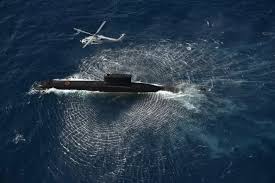
The Indian Navy marked a significant milestone in its ongoing modernisation drive with the commissioning of its second MH-60R helicopter squadron, INAS 335, at INS Hansa in Goa. The ceremony, presided over by Chief of Naval Staff Admiral Dinesh K Tripathi, reflects the Navy’s steady focus on enhancing combat readiness, technological capability, and operational reach amid evolving regional and maritime security challenges.
A major step in naval modernisation and force enhancement
The commissioning of INAS 335, also known as the Ospreys, represents a crucial addition to the Indian Navy’s integral aviation arm. Based at INS Hansa, Goa, the squadron will operate the MH-60R helicopters, which are among the most advanced multi-role maritime helicopters in service today. This induction underscores the Navy’s commitment to building a technologically superior and versatile force capable of addressing both conventional and emerging threats in the maritime domain.
The MH-60R is equipped with a sophisticated suite of weapons, sensors, and avionics that significantly enhance the Navy’s ability to conduct anti-submarine warfare, surface warfare, surveillance, and reconnaissance missions. Designed to operate seamlessly with frontline warships, the helicopter extends the Navy’s operational envelope, enabling it to detect, track, and neutralise threats far beyond visual range. Its ability to integrate seamlessly with fleet operations makes it a force multiplier in blue-water and littoral environments alike.
With the induction of this squadron, the Navy strengthens its capacity to protect vital sea lanes, safeguard national maritime interests, and maintain a credible deterrence posture in the Indian Ocean Region. The MH-60R’s advanced capabilities allow it to hunt submarines beneath the waves while simultaneously providing the option to strike surface targets, offering commanders greater flexibility in planning and execution of missions.
The commissioning ceremony also symbolises a broader transformation underway within the Indian Navy, which has been steadily upgrading its platforms, sensors, and weapons systems to keep pace with rapid technological change. The focus on modern, multi-role aviation assets reflects the growing importance of airborne surveillance and strike capabilities in contemporary naval warfare.
Enhanced operational reach amid evolving regional challenges
The induction of INAS 335 is particularly significant in the context of changing regional security dynamics and the increasing complexity of maritime threats. From conventional naval competition to asymmetric challenges such as piracy, terrorism, and unmanned threats, the maritime environment demands platforms that are adaptable, reliable, and technologically advanced. The MH-60R fits this requirement by offering a high degree of versatility and survivability.
The helicopter’s advanced sensors and avionics enable it to operate effectively in contested environments, providing real-time intelligence and targeting data to naval task forces. Its ability to conduct sustained operations from ships and shore bases alike enhances the Navy’s responsiveness during both peacetime and crisis situations. Over time, these capabilities are expected to play a key role in strengthening maritime domain awareness across India’s vast areas of responsibility.
The Indian Navy has already operationally integrated the MH-60R into fleet activities, where it has demonstrated its effectiveness across a range of missions. The commissioning of a second squadron builds on this experience, allowing the Navy to expand operational availability and reduce dependency on ageing platforms. This step aligns with long-term plans to replace legacy helicopters with modern systems that can meet future operational requirements.
Beyond combat roles, the MH-60R also contributes to humanitarian assistance and disaster relief operations, search and rescue missions, and maritime patrol duties. Its endurance, payload capacity, and advanced navigation systems make it a valuable asset during natural disasters and emergencies at sea, reinforcing the Navy’s role as a first responder in the region.
The presence of the Chief of Naval Staff at the commissioning ceremony highlights the strategic importance attached to the squadron. It sends a clear signal of the Navy’s determination to remain technologically relevant and operationally agile in an increasingly contested maritime environment. As India’s maritime interests continue to expand, the role of such advanced aviation assets will only grow in significance.
With INAS 335 becoming operational at INS Hansa, the Indian Navy takes another decisive step toward building a balanced, future-ready force. The squadron’s induction not only enhances immediate operational capability but also reflects a broader vision of sustained modernisation, self-reliance, and preparedness to safeguard national interests across the maritime domain.