In response to the deadly terror attack in Pahalgam that killed 26 tourists, India has launched a series of tough diplomatic actions against Pakistan aimed at isolating it economically and strategically. From banning all imports and sealing ports to shutting its airspace, India’s steps are set to hit Pakistan’s already struggling economy hard.
The Indian government has imposed a complete ban on all direct and indirect imports from Pakistan, citing national security and public interest. This immediate move halts all incoming goods and is expected to affect multiple Pakistani sectors. India has also barred Pakistani-flagged ships from docking at its ports and restricted Indian ships from accessing Pakistani ports. Authorities stated that the decision was taken to safeguard Indian cargo, infrastructure, and maritime interests.
Adding to the pressure, India has shut its airspace to all Pakistani airlines in retaliation for Islamabad’s earlier airspace closure to Indian carriers. As a result, Pakistan International Airlines (PIA) is now forced to reroute flights through longer paths such as China, significantly increasing travel time and operational costs. This change particularly affects flights bound for Southeast Asia and Gulf countries.
Although bilateral trade has been minimal since 2019, some Pakistani industries still rely on essential Indian imports. During April-January 2024-25, India’s exports to Pakistan were valued at $447.65 million, while imports were only $0.42 million. India had imported items like fruits, nuts, oil seeds, and organic chemicals.
Sectors Most Affected by Import Ban
Pakistani industries dependent on Indian supplies, particularly pharmaceuticals and chemicals, are likely to be severely impacted. Key imports in recent years included organic chemicals worth $129.55 million and pharmaceutical products worth $110.06 million. Other affected sectors involve auto components, rubber, plastics, tea, cereals, and petroleum products.
Port and Airspace Closure Increases Pressure
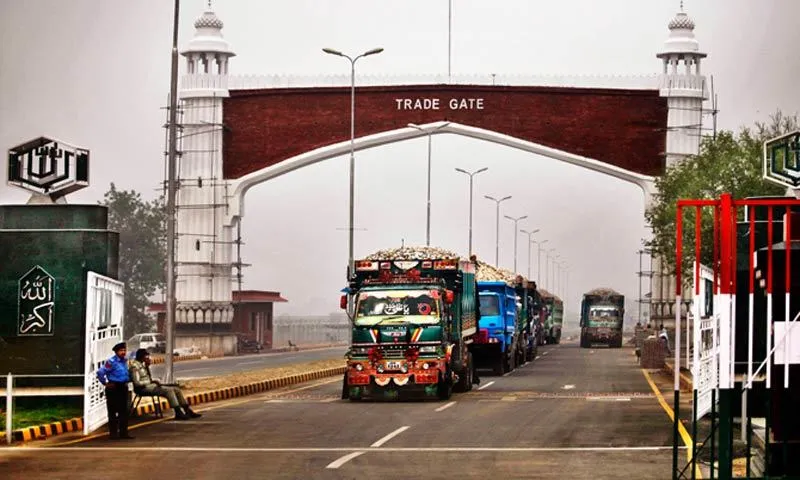
The closure of Indian ports and airspace to Pakistan-based operations will further disrupt logistics and trade flow. Pakistani ports will lose revenue from services such as docking and storage, while airlines will face increased costs and scheduling difficulties. The Attari land-transit post, once a key trade route, remains shut, and India is also monitoring third-party routes like Dubai to prevent trade diversions.
With Pakistan already battling inflation and economic instability, these latest moves from India are expected to deepen its financial woes and reinforce diplomatic isolation.