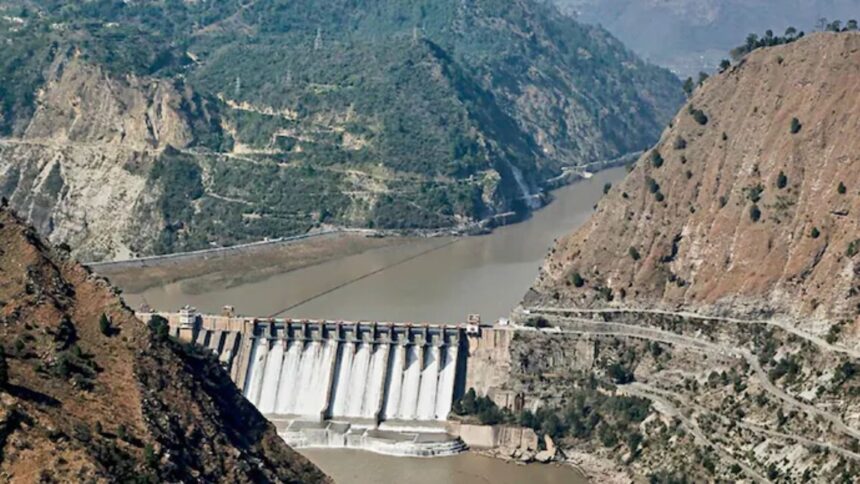
India has firmly rejected a recent order issued by a Hague-based Court of Arbitration on the Kishenganga and Ratle hydroelectric projects, calling the body “illegally constituted” and its decision “void and without legal standing.”
The Ministry of External Affairs said India has never recognised the existence of the so-called Court of Arbitration under the Indus Waters Treaty, arguing that its creation itself amounts to a serious breach of the treaty. New Delhi maintained that since the treaty is currently in abeyance, India is no longer bound by any of its obligations.
Responding to the court’s “supplemental award,” which directed India to submit operational logbooks of the two hydropower projects by February 9 or explain its refusal, the government asserted that no arbitral body has jurisdiction to question India’s actions as a sovereign state. The ministry said all proceedings and pronouncements by this forum are illegal and per se void.
India reiterated that it placed the Indus Waters Treaty in abeyance following the April 2025 Pahalgam terror attack, citing Pakistan’s continued sponsorship of terrorism. Since then, India has stopped sharing hydrological data such as river flows, flood warnings and glacier melt information, which were earlier shared under the treaty framework.
The government accused Pakistan of using a “fabricated arbitration mechanism” to evade accountability and alleged that Islamabad has a long history of manipulating international forums. It described the latest order as another attempt to internationalise bilateral issues under the guise of arbitration.