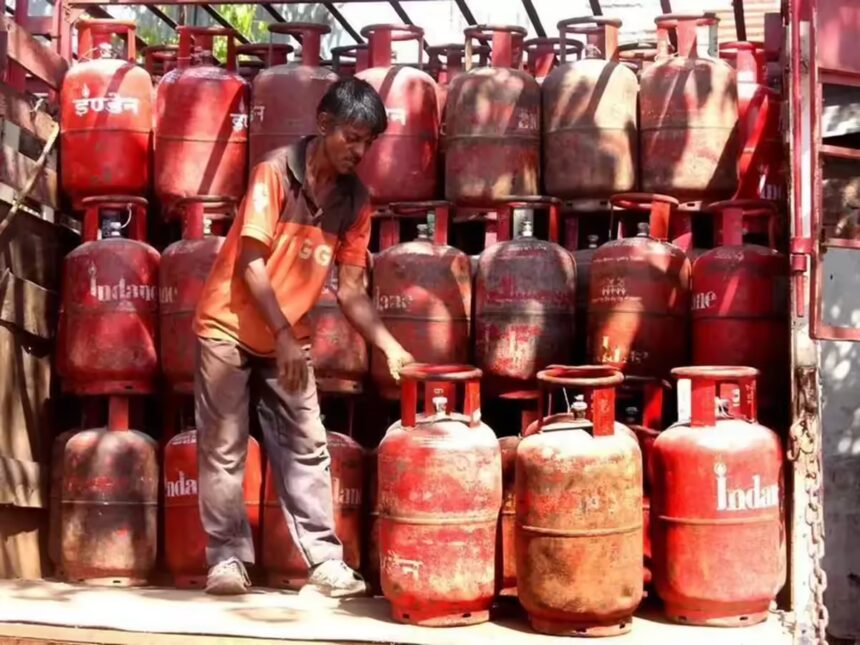
India has taken a strategic step to safeguard its energy security by diversifying its liquefied petroleum gas supply sources amid escalating geopolitical tensions in West Asia. The government has confirmed that LPG supplies across the country remain stable and uninterrupted despite global uncertainties affecting traditional supply routes. As part of this diversification effort, oil marketing companies have begun importing LPG from alternative sources, including the United States, reducing dependence on the Gulf region. This move comes at a time when global energy markets are facing disruptions due to ongoing conflicts involving major geopolitical players, which have impacted maritime routes such as the Strait of Hormuz. Despite these challenges, authorities have assured citizens that domestic supply chains are functioning efficiently and that there is no shortage of LPG in any part of the country. The government has also emphasized that refineries are operating at full capacity and fuel stocks, including LPG, petrol, and diesel, are sufficient to meet demand.The diversification of LPG sourcing is part of a broader strategy to strengthen India’s energy resilience and reduce vulnerability to external shocks. By expanding procurement channels, the government aims to ensure uninterrupted supply even in times of global instability. Officials have stated that while the Gulf region continues to be a major supplier, additional imports from countries like the United States are helping balance the supply chain. This approach not only enhances supply security but also provides flexibility in sourcing, allowing India to respond more effectively to changing global conditions.
Government Assures Stable Supply and Discourages Panic Buying
Authorities have made it clear that there is no disruption in LPG availability and have urged consumers to avoid panic booking and hoarding of cylinders. A surge in advance bookings driven by anxiety had temporarily increased demand, but recent data indicates that this trend is now easing. Panic-driven bookings, which had peaked at approximately 8.9 million, have declined to around 7 million, signaling a return to normal consumption patterns. Officials have warned that unnecessary advance bookings can strain distribution systems and delay deliveries for other consumers. Oil marketing companies have reassured households that supply remains secure and uninterrupted, emphasizing that there is no need for early or excessive bookings. The government has also directed states to take strict action against black marketing and illegal hoarding, ensuring that LPG cylinders are distributed fairly and efficiently.
In addition to managing consumer behavior, authorities have taken steps to improve supply efficiency. Digital booking systems now account for a significant portion of refill requests, streamlining the distribution process and reducing delays. This technological integration has played a crucial role in maintaining stability in the supply chain, even during periods of increased demand. The government has also activated alternative fuel options such as kerosene and coal in certain regions to reduce pressure on LPG demand, further strengthening the overall energy supply system.
Supply Chain Strengthened with Fresh Shipments
India’s LPG supply chain has been reinforced by the arrival of new shipments, ensuring that stock levels remain adequate. The Indian-flagged LPG carrier Nanda Devi recently arrived at Vadinar in Gujarat carrying approximately 46,500 metric tonnes of LPG. The shipment is undergoing a ship-to-ship transfer process, which allows for efficient distribution to various regions. Another vessel, BW Birch, is assisting in this operation, highlighting the coordinated efforts being made to handle large volumes of fuel. Authorities have prioritized LPG vessels to ensure quick unloading and distribution, minimizing any potential delays.
Earlier in the week, another LPG carrier, Shivalik, docked at Mundra Port, further strengthening the supply chain. These continuous inflows demonstrate that despite challenging global conditions, India has been able to maintain a steady stream of LPG imports. The government’s proactive approach in managing logistics and prioritizing fuel shipments has played a key role in ensuring that supply remains uninterrupted across the country.
Close Monitoring and Long-Term Energy Strategy
The government has stated that it is closely monitoring the situation and taking coordinated steps to address any potential challenges. Domestic LPG production has increased significantly, contributing to overall supply stability. Officials have also highlighted that increased diversification has improved crude availability, supporting refinery operations and fuel production. Efforts are being made to shield consumers from the impact of global disruptions, ensuring that essential fuels remain accessible and affordable.
The current situation underscores the importance of a robust and diversified energy strategy. By reducing dependence on a single region and expanding sourcing options, India is positioning itself to better withstand global uncertainties. The government’s focus on improving infrastructure, enhancing logistics, and promoting responsible consumption is expected to strengthen the country’s energy security in the long run. As geopolitical tensions continue to evolve, India’s proactive measures will play a crucial role in maintaining stability in the domestic fuel market and ensuring that consumers are not adversely affected.