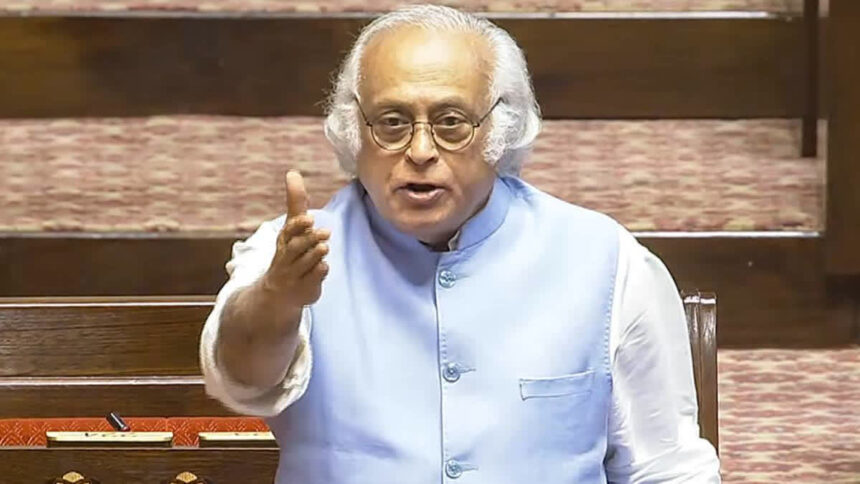
The decision by opposition parties to boycott the Rajya Sabha Deputy Chairman election has added a new dimension to the ongoing political contest in Parliament. The move reflects growing friction between the ruling alliance and opposition groups over parliamentary conventions, consultation processes, and institutional practices. With the election scheduled to proceed, the boycott is expected to influence both the outcome and the broader political narrative surrounding parliamentary functioning in India.
Opposition Boycott and Key Concerns
The INDIA bloc, comprising several opposition parties, decided to abstain from participating in the Deputy Chairman election as a mark of protest. The decision was primarily driven by concerns over what opposition leaders described as a lack of consultation and adherence to established parliamentary conventions.
A central issue raised by opposition leaders is the prolonged absence of a Deputy Speaker in the Lok Sabha. According to opposition representatives, this position has remained vacant for several years, which they argue undermines parliamentary balance and institutional norms.
Another point of contention is the nomination of Harivansh Narayan Singh as a candidate after being nominated to the Rajya Sabha by the President. Opposition leaders have questioned the precedent of a nominated member being considered for the Deputy Chairman’s role, calling it an unusual and unprecedented step.
Additionally, opposition parties have alleged that the government did not engage in meaningful discussions with them before proceeding with the election. This perceived unilateral approach has been cited as a key reason behind the boycott, with leaders stating that such decisions should involve broader consensus in a parliamentary democracy.
Despite the boycott, opposition leaders have clarified that their protest is directed at the process rather than any individual candidate. Statements from senior leaders suggest that while they disagree with the approach taken, they continue to expect a more inclusive functioning of the House in the future.
Election Dynamics and Likely Outcome
The election for the Deputy Chairman of the Rajya Sabha is scheduled to take place with limited contest, as the opposition has chosen not to field a candidate. This has effectively cleared the path for Harivansh Narayan Singh to secure another term in the position.
Multiple nomination notices have reportedly been submitted in support of Harivansh, indicating strong backing from the ruling alliance and its partners. In the absence of opposition participation, the election is expected to proceed smoothly, potentially resulting in an uncontested outcome.
The position of Deputy Chairman holds significant importance in the functioning of the Rajya Sabha. The office is responsible for presiding over proceedings in the absence of the Chairman and ensuring orderly conduct of debates and legislative business.
Given the current political arithmetic in the Upper House and the lack of competing nominations, the outcome appears largely predetermined. However, the boycott has ensured that the election remains politically significant despite the absence of a contest.
Implications for Parliamentary Functioning
The boycott by the INDIA bloc highlights deeper issues concerning parliamentary functioning and the relationship between the government and opposition. It raises questions about consultation, institutional roles, and the balance of power within legislative bodies.
For the government, proceeding with the election despite the boycott underscores its emphasis on continuity and adherence to procedural timelines. From its perspective, the election is a routine constitutional process necessary for the functioning of the House.
For the opposition, the boycott serves as a symbolic protest aimed at drawing attention to what it perceives as a weakening of parliamentary norms. By choosing not to participate, opposition parties aim to register their dissent and push for greater inclusivity in decision-making processes.
The development also reflects broader political dynamics within India’s parliamentary system, where disagreements over procedure and representation often mirror larger ideological and political divides. Such moments can shape public perception and influence future debates on institutional reforms.
As the Rajya Sabha moves forward with the election, the focus will remain on how both the government and opposition navigate their differences in the coming sessions. The episode underscores the importance of dialogue and consensus in maintaining the effectiveness and credibility of parliamentary institutions.