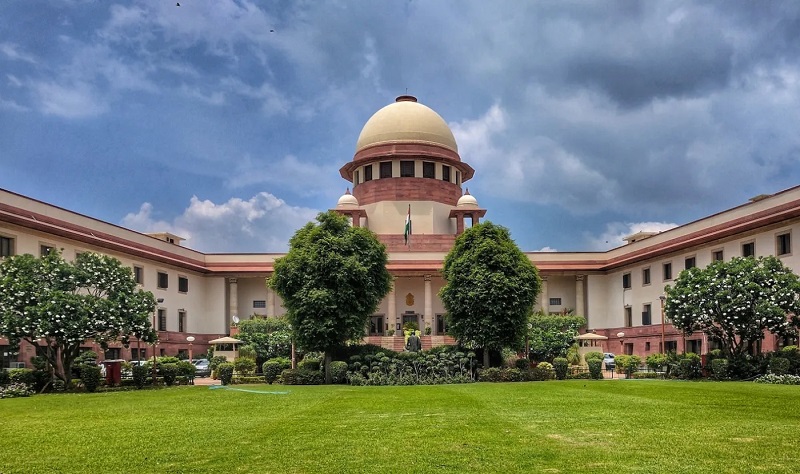
The scheduled hearing marks a crucial phase in the judicial scrutiny of the Waqf (Amendment) Act, 2025, as multiple petitioners have approached the Supreme Court alleging that the law violates constitutional rights and discriminates against sections of the Muslim community. The case has drawn national attention due to its implications for religious freedoms, property rights, and governance of waqf properties across India. With the Centre defending the legislation as a regulatory reform, the proceedings are expected to shape the legal and political discourse around minority institutions and state oversight.
Legal Challenge to Waqf Amendment Act
The Waqf (Amendment) Act, 2025 was passed by Parliament in early April 2025 and received presidential assent shortly thereafter, bringing changes to the management and regulation of waqf properties in India. The amendments were introduced with the stated aim of improving transparency, digitisation, and accountability in waqf administration.
However, soon after its enactment, several petitions were filed in the Supreme Court challenging its constitutional validity. Prominent political leaders, religious organisations, and civil society groups argued that certain provisions of the law infringe upon fundamental rights guaranteed under the Constitution. These petitions have now been clubbed together by the court for a comprehensive hearing.
Petitioners have raised concerns that the amendments could alter the traditional structure and functioning of waqf institutions. Among the key objections are provisions related to the identification and classification of waqf properties, as well as changes in the composition and functioning of waqf boards. Critics argue that such changes may dilute community control and allow greater government intervention.
On the other hand, the central government has defended the law, stating that it deals only with the secular and administrative aspects of waqf management and does not interfere with religious practices. The Centre has maintained that the amendments are necessary to curb irregularities and ensure better governance of waqf assets.
Key Issues Before the Court
The Supreme Court is expected to examine several critical issues during the hearing. These include the power to identify and potentially denotify waqf properties, the inclusion of non-Muslim members in waqf boards, and the broader question of whether the amendments violate constitutional protections related to religion and equality.
Another important aspect is the request for interim relief. Petitioners have sought a stay on certain provisions of the Act until the final judgment is delivered. The court will consider whether such interim measures are necessary to prevent potential harm while the case is under adjudication.
Earlier proceedings indicate that the court has taken a cautious approach, emphasizing that laws passed by Parliament are presumed to be constitutional unless proven otherwise. At the same time, the bench has acknowledged the seriousness of the concerns raised and agreed to examine them in detail.
In previous hearings, the central government assured the court that certain contentious provisions would not be implemented temporarily, including those related to the denotification of waqf properties and appointments to waqf boards. This assurance was seen as an attempt to maintain the status quo while the legal challenge is being considered.
The court has also streamlined the process by consolidating multiple petitions into a single case, ensuring a more efficient and focused hearing. Legal experts believe that this approach will help in addressing the complex constitutional questions involved.
Broader Implications and Political Context
The outcome of the Supreme Court hearing is expected to have far-reaching implications for both law and politics in India. The Waqf (Amendment) Act, 2025 has already become a subject of intense political debate, with opposition parties and community groups voicing strong objections.
For the government, the case represents an opportunity to defend its reform agenda and demonstrate its commitment to transparency and accountability in the management of religious properties. The Centre has argued that the amendments are administrative in nature and do not interfere with religious freedoms.
For critics, the law raises concerns about state overreach and the protection of minority rights. They argue that waqf properties, which are traditionally managed by the Muslim community for religious and charitable purposes, should remain free from excessive government control.
The Supreme Court’s decision will not only determine the fate of the current legislation but also set important precedents for the interpretation of constitutional provisions related to religion, property, and governance. It could influence future legislative reforms and judicial interventions in similar matters.
As the hearing begins, all eyes are on the apex court to provide clarity on these contentious issues. The proceedings are expected to involve detailed arguments from both sides, reflecting the complexity and sensitivity of the matter.