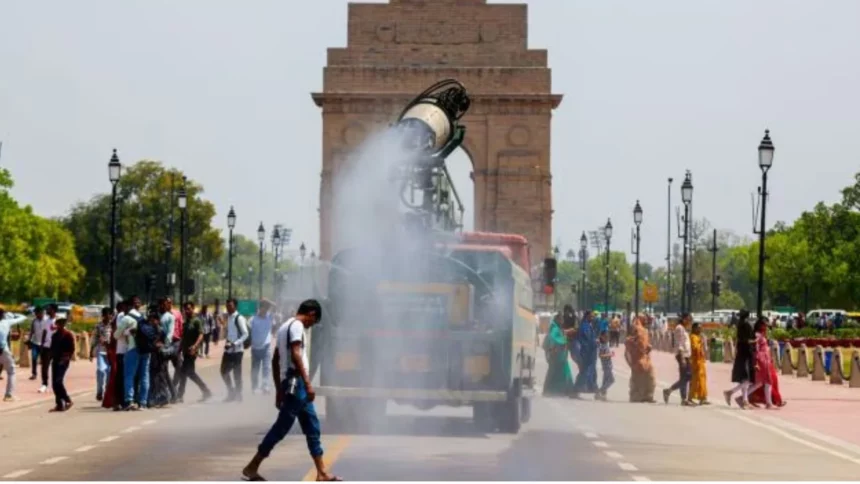
Rain, thunderstorms, and gusty winds are expected across several Indian states as IMD forecasts changing weather patterns, while Delhi may see relief from heatwave conditions.
India is witnessing a significant shift in weather conditions as the India Meteorological Department has issued widespread alerts for rainfall, thunderstorms, and gusty winds across multiple regions on May 1, 2026. The forecast indicates a mix of relief from extreme heat and the onset of unstable atmospheric conditions in various parts of the country.
Several northern, eastern, and northeastern states are expected to experience light to heavy rainfall accompanied by lightning and strong winds. This sudden transition is largely attributed to an active western disturbance and evolving climatic patterns influencing large parts of India.
Rain and Thunderstorm Alerts Across States
According to the latest forecast, states including Uttar Pradesh, Bihar, Rajasthan, and West Bengal are likely to experience rainfall and thunderstorms. In Uttar Pradesh, weather activity has intensified with dust storms followed by light to moderate rainfall in several districts. Authorities have issued a yellow alert, warning residents of potentially severe conditions.
Bihar is also on alert, with rainfall and thunderstorms predicted in 22 districts. Reports of lightning incidents have already emerged from some areas, prompting officials to advise residents to remain cautious. People are urged to avoid open fields, tall trees, and exposed locations during storms to minimize risks.
In Rajasthan, the sudden weather change has brought temporary relief from intense summer heat. The IMD has indicated that this pattern may continue for the next two days due to the ongoing influence of a western disturbance. Similarly, West Bengal, along with Sikkim and Odisha, is expected to witness downpours and thunderstorms, which could impact daily activities and local infrastructure.
The northeastern region, including Arunachal Pradesh, Assam, and Meghalaya, is likely to receive heavy rainfall. These areas are often prone to flooding and landslides during intense weather activity, and authorities are closely monitoring the situation.
Delhi Weather and Heatwave Update
Delhi and the National Capital Region recently experienced a notable change in weather, with rainfall, hailstorms, and gusty winds bringing much-needed relief from ongoing heatwave conditions. The capital is expected to have a partly cloudy sky, with chances of light showers continuing in the coming days.
The IMD has forecast that a fresh western disturbance will begin affecting northwest India from May 2. As a result, Delhi and surrounding areas may witness light rain and gusty winds between May 3 and May 5. This development is expected to keep temperatures under control and provide continued respite from extreme heat.
Neighbouring regions such as Punjab, Haryana, and Chandigarh are also likely to experience light to moderate rainfall, with some areas facing thunderstorms and strong winds reaching speeds of 50 to 60 kilometers per hour. These conditions may disrupt normal life temporarily but are expected to ease the prevailing heat.
Western Disturbance and Broader Weather Trends
The current weather pattern is largely driven by a western disturbance, a common meteorological phenomenon that brings moisture and instability to northern India. This system is expected to impact Jammu and Kashmir, Himachal Pradesh, and adjoining plains, resulting in rainfall and even snowfall in higher altitudes.
In Jammu and Kashmir, rainfall and snowfall have already been reported in several regions, leading to a drop in temperatures and a return of chilly conditions. Authorities have advised residents and travelers to exercise caution, particularly in hilly and vulnerable areas.
The IMD has also projected above normal rainfall across India for the month of May. This comes after April witnessed near normal rainfall, which helped keep heatwave conditions relatively short lived. Despite this, May is traditionally one of the hottest months in India, and fluctuations between heat and rain are expected.
The anticipated increase in rainfall may have both positive and negative implications. While it can help reduce water scarcity and support agriculture, it may also lead to localized flooding, traffic disruptions, and infrastructure challenges in urban areas.
Overall, the evolving weather scenario highlights the importance of preparedness and timely information. Citizens are encouraged to stay updated with official forecasts and follow safety advisories issued by local authorities