In a tense and rapidly evolving situation, U.S. President Donald Trump and his team managed to broker a ceasefire agreement between Israel and Iran after nearly two weeks of conflict. While the ceasefire raised hopes for peace, missile attacks by Iran just hours after the announcement underscored the fragility of the deal and the challenges ahead. The intricate diplomatic efforts involved direct communication with Israeli Prime Minister Benjamin Netanyahu and parallel negotiations with Iranian officials, highlighting a complex balancing act amid ongoing violence.
Donald Trump’s Direct Intervention and Team Effort
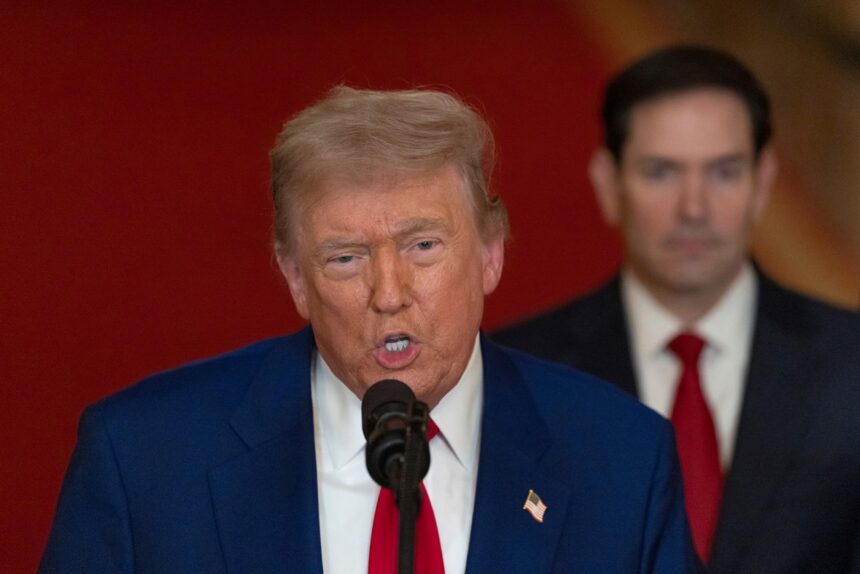
The ceasefire talks intensified following the U.S.’s direct involvement over the weekend, when American forces struck multiple Iranian nuclear facilities. According to a senior White House official, President Donald Trump personally instructed his team to open channels with both sides, emphasizing the urgency of ending hostilities. The official quoted Donald Trump’s determination: “Get me Bibi. We’re going to make peace.” This statement reflected Donald Trump’s hands-on approach in coordinating the diplomacy.
While Donald Trump engaged Netanyahu, Vice President JD Vance, Secretary of State Marco Rubio, and special envoy Steve Witkoff simultaneously reached out to Iranian leaders to encourage a ceasefire. Over the weeks prior to the outbreak of conflict, the U.S. had already held five rounds of talks with Iran. However, negotiations stalled due to Iran’s refusal to halt its uranium enrichment program, a critical sticking point in the broader dispute.
The ceasefire agreement, as understood by U.S. officials, required Iran to cease missile attacks, with Israel agreeing to hold fire in return. Iranian Foreign Minister Seyed Abbas Araghchi later confirmed that Iranian forces maintained operations until the early hours of Tuesday morning, signaling the exact moment the truce took effect.
Missile Attacks Challenge Ceasefire’s Stability
Despite the ceasefire announcement, Iran launched several missile barrages targeting Israel just hours later. Israeli authorities reported that multiple missile salvos were fired across six rounds. Air raid sirens blared throughout Israel, prompting citizens to seek shelter as armed forces issued urgent warnings.
Although most missiles were intercepted by Israeli defense systems, one missile struck an apartment complex in Beersheba, southern Israel, resulting in at least four deaths and numerous injuries. This attack highlighted the precarious nature of the ceasefire and raised questions about its immediate effectiveness and enforcement.
The missile strikes occurred shortly after Donald Trump publicly declared the ceasefire on his social media platform, Truth Social. This timing created confusion and tension, illustrating the difficulties in translating diplomatic agreements into on-ground realities amid ongoing hostilities.
As the situation develops, the ceasefire remains a delicate and evolving agreement, with diplomatic and military actions continuing to influence the fragile peace. The involvement of multiple U.S. officials and direct engagement with both Israel and Iran underscore the complexities of negotiating peace in a highly volatile region.