India is currently facing mounting pressure on its LPG supply chain due to escalating geopolitical tensions in West Asia, particularly the ongoing Iran–Israel conflict. In response to the emerging crisis, the Government of India has taken proactive steps to stabilize supply and reassure consumers. Prime Minister Narendra Modi held a crucial two-hour meeting with Petroleum Minister Hardeep Singh Puri to review the country’s fuel and gas availability and assess strategies to tackle potential disruptions.
The meeting focused on critical aspects such as crude oil availability, LPG imports, domestic production capacity and contingency planning. With India being heavily dependent on energy imports, any disruption in global supply chains poses a serious challenge. The government’s response reflects its intent to act swiftly and maintain stability in the domestic energy market.
10 percent additional LPG allocation to states
One of the most significant decisions taken during the review meeting was the approval of a 10 percent increase in LPG allocation for states. This move aims to address shortages reported across several regions and ensure that consumers receive timely supply.
Officials from the Petroleum Ministry stated that domestic LPG production has increased by nearly 40 percent in recent years. However rising demand and supply chain disruptions have created pressure on the system. The additional quota is expected to provide immediate relief in high-demand areas.
Experts believe that while increasing supply is essential improving distribution efficiency will be equally important in resolving the crisis.
Improved booking system but last mile challenges remain
The government highlighted that around 93 percent of LPG bookings are now being made online through official apps and portals. This has improved transparency and reduced manual intervention.
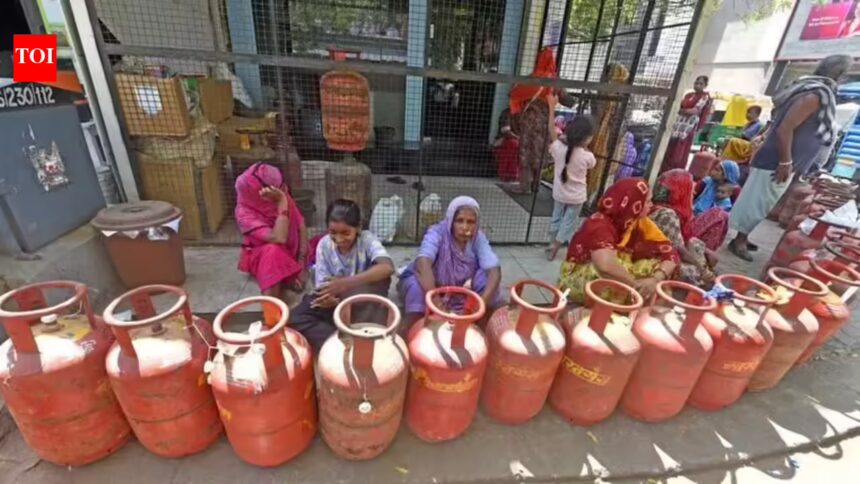
Despite these improvements long queues at LPG distribution centers continue to be reported in several areas. This indicates that the problem lies not only in supply but also in last mile delivery and logistics.
Authorities have urged consumers to avoid visiting agencies physically and instead rely on digital platforms for bookings. Citizens have also been advised not to believe in rumors about shortages.
Push towards PNG to reduce LPG dependency
To reduce pressure on LPG supply the government is encouraging households to shift towards piped natural gas (PNG). Officials have emphasized that PNG is safer more efficient and helps in reducing dependency on LPG cylinders.
In urban areas where PNG infrastructure is available consumers are being encouraged to adopt it as an alternative. This shift is expected to ease demand on LPG supply chains and improve overall distribution balance.
Crackdown on black marketing and hoarding
The government has intensified action against black marketing and hoarding of LPG cylinders. In a nationwide inspection drive more than 2300 LPG distribution centers were checked to ensure fair supply practices.
Authorities have warned that strict action will be taken against those involved in illegal activities. Ensuring fair distribution remains a top priority during the crisis period.
Impact of global tensions on supply chains
The ongoing Iran–Israel conflict has significantly affected global energy markets. The Strait of Hormuz a critical oil transit route has become increasingly unstable leading to disruptions in tanker movement.
India imports nearly 80 to 85 percent of its LPG through this route making it highly vulnerable to geopolitical developments. Any prolonged disruption could lead to increased prices and supply shortages.
However officials have clarified that India currently has sufficient oil reserves for a few weeks and there is no immediate cause for panic.
Strategic reserves and continued fuel shipments
The government has also reviewed its Strategic Petroleum Reserves which can be used during emergencies. Additionally fuel shipments continue to arrive at Indian ports ensuring that supply chains are not completely disrupted.
Ships such as INS Shivalik and INS Nanda Devi have successfully delivered cargo to ports like Vadinar in Gujarat indicating that supply routes remain operational.
Changes in LPG booking rules
To manage rising demand the government has revised LPG booking intervals multiple times
March 6 lock in period set at 21 days
March 9 increased to 25 days in urban areas
March 12 extended to 45 days in rural areas
These changes aim to prevent panic booking and ensure fair distribution of LPG cylinders.
The government’s multi-pronged strategy reflects its commitment to managing the LPG crisis effectively and ensuring that consumers do not face major disruptions.