A ceasefire deal between Israel and Hamas is reportedly in the final stages of negotiation, with discussions drawing near to a conclusion. As per the latest reports, Hamas is expected to release 33 Israeli hostages by the end of this week, marking the initial phase of the truce deal. This potential deal, which has been the focus of intense diplomatic efforts, could be finalized before the end of the Biden administration’s term next Monday. Israeli authorities have confirmed that Hamas, along with its allies, is still holding 94 hostages, many of whom were captured during the October 7, 2023 attack on Israel. At least 34 of these hostages are believed to be dead.
The deal, which would see the release of 33 hostages during the first phase of a 42-day ceasefire, has garnered significant attention both in Israel and globally. Israeli officials are hopeful that the deal will be concluded soon, given the urgency of the situation. The first phase of the deal will include the handover of some hostages, some of whom may unfortunately not be alive. A senior Israeli official confirmed that Israel is prepared to implement the deal immediately upon finalization.
US President-elect Donald Trump, speaking on Monday, expressed confidence that the ceasefire deal could be finalized before his inauguration next week. In an interview with Newsmax, Trump stated, “We are very close to getting it done. They will get it done.” He suggested that both sides had made significant progress, with a handshake deal expected to be completed by the end of the week.
Prior to Trump’s remarks, President Joe Biden also indicated that both parties were “on the brink of a proposal,” reinforcing the notion that an agreement was imminent. National Security Advisor Jake Sullivan further fueled optimism, stating that there was a “distinct possibility” of a deal being reached, as “pressure is building for Hamas to come to yes.” Sullivan explained that Brett McGurk, the Biden administration’s Middle East envoy, had spent over a week in the region negotiating the terms of the deal with key stakeholders, including Qatar’s Prime Minister Mohammed bin Abdulrahman bin Jassim Al Thani and Israeli officials. The general consensus among negotiators is that the discussions are moving in the right direction.
Sullivan, however, tempered expectations, acknowledging the complexities of the situation. “We’ve been here before, we’ve been close before and haven’t gotten across the finish line,” he said, highlighting the unpredictability of the situation. Despite this, he expressed hope that the pressure toward the end of President Biden’s term could help push both sides to reach a positive outcome.
The proposed truce deal would involve the release of 33 hostages, including both living and deceased individuals, during the first phase of the agreement. A final round of talks was scheduled to take place in Doha on Tuesday to resolve any remaining issues. Israeli Prime Minister Benjamin Netanyahu has also invited the families of the hostages to meet him, signaling the government’s commitment to ensuring the safe return of their loved ones.
The deal’s terms outline a ceasefire that would see Israeli forces maintain a presence along the Philadelphi Corridor, a narrow stretch of land along the Egypt-Gaza border. This presence has been a point of contention in past negotiations, as it was one of the reasons the deal could not be finalized in September. The truce agreement would also involve the establishment of a buffer zone within Gaza along the border with Israel, although the exact dimensions of this zone remain unclear. Hamas has reportedly demanded that the buffer zone return to pre-October 7 sizes, ranging between 300 to 500 meters, while Israel is requesting a 2,000-meter buffer zone.
Under the proposed terms, residents of northern Gaza would be allowed to return to the north of the strip, but with unspecified “security arrangements” in place. Furthermore, Palestinian prisoners captured by Israel, who are deemed responsible for killing Israelis, would not be released into the West Bank but instead would be moved to Gaza or abroad, based on agreements with foreign countries.
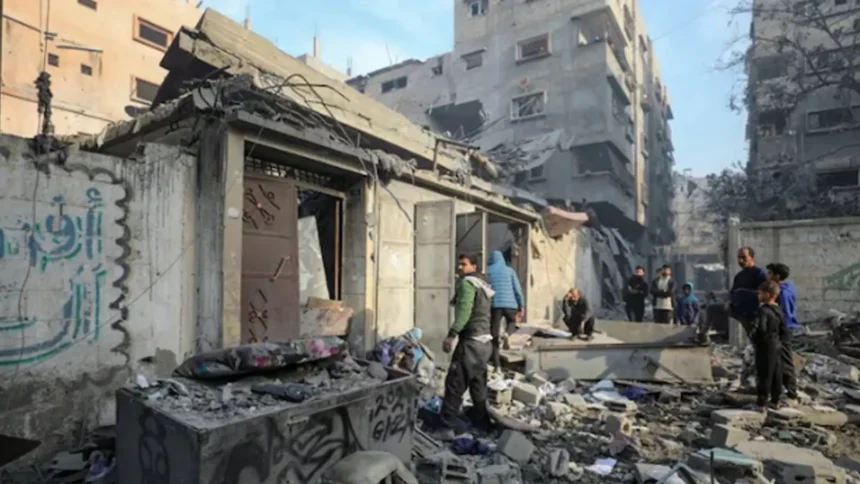
One of the most significant aspects of the deal is the provision for increased humanitarian aid into Gaza, where the situation remains dire. International organizations, including the United Nations, have warned that Gaza is facing a severe humanitarian crisis. While Israel has allowed aid into the enclave, there have been ongoing disputes regarding the amount of aid allowed in and how much actually reaches those in need. The issue has been complicated by looting by criminal gangs, further exacerbating the situation.
The growing pressure on both parties to reach a resolution has made this potential ceasefire deal an urgent matter. With cyber and security concerns looming large, the international community is keenly watching to see whether an agreement will finally be reached and whether the release of hostages can be secured in the first phase of the deal. The final details are expected to be resolved soon, but with the ongoing volatility in the region, the outcome remains uncertain.