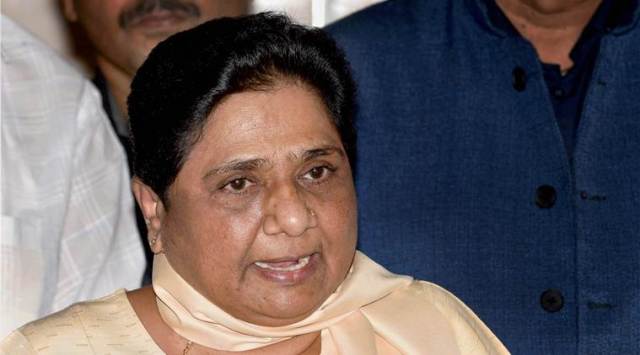
The steady decline of the Bahujan Samaj Party (BSP) has left many of its former leaders disappointed but not surprised. Once a formidable force in Uttar Pradesh politics, the party has struggled to maintain its relevance, with repeated electoral setbacks and dwindling support. Several senior leaders who were once instrumental in shaping the party’s success now view its downfall as inevitable, attributing it to Mayawati’s leadership style and internal decisions.
Nasimuddin Siddiqui, once one of the most influential Muslim leaders in the BSP, expresses his anguish over the party’s decline. “It hurts to see the house you built collapsing,” he says, reflecting on his time in the party and its subsequent downfall. However, he is not taken aback by the situation, as he believes the party’s rigid structure and lack of adaptability have contributed significantly to its weakening influence. Siddiqui, like many others, was either ousted or distanced himself from the BSP due to Mayawati’s increasingly unpredictable decisions.
Over the years, Mayawati has expelled or sidelined several senior leaders, often without explanation. This pattern has resulted in a leadership vacuum, with no clear second line of command in the party. Political analysts argue that the BSP’s downfall is not just a consequence of changing political dynamics in Uttar Pradesh but also a result of its inability to retain experienced leaders and build grassroots support. The party, which once enjoyed strong backing from Dalits and Muslims, has seen a steady erosion of its core voter base, with many shifting their allegiance to other parties.
The BSP’s decline has been particularly evident in recent elections, where it has struggled to make a significant impact. In Uttar Pradesh, where it once formed the government with a full majority, the party’s influence has waned considerably. Many former leaders believe that Mayawati’s reluctance to form strong alliances and her over-dependence on a shrinking voter base have further weakened the party’s prospects. Additionally, her centralized decision-making style, where she maintains strict control without delegating responsibilities, has alienated many leaders and workers.
With the upcoming elections, political observers believe that the BSP faces an existential crisis. Without major restructuring and a shift in strategy, its future remains uncertain. For leaders who were once part of its rise, the party’s decline is not just political but also personal—a movement they helped build now struggling to stay afloat in India’s changing political landscape.