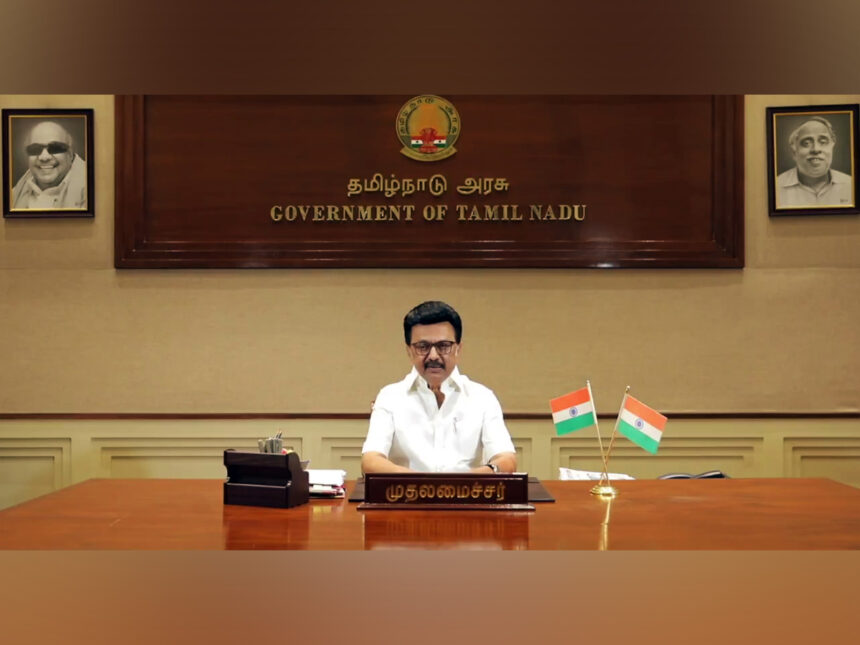
Chennai, March 28, 2026 | Tamil Nadu Chief Minister M K Stalin on Saturday announced that the Dravida Munnetra Kazhagam will unveil its election manifesto on Sunday and formally launch its statewide campaign on March 31. The announcement marks a significant step in the party’s preparations for the Tamil Nadu Assembly Elections 2026, scheduled to be held on April 23.
The development comes shortly after the DMK released its list of 164 candidates, indicating a major milestone in its electoral strategy as it gears up for a crucial political contest in the state.
Diverse and Educated Candidate Line-Up
Highlighting the composition of the candidate list, Stalin said the selections reflect a balanced combination of experience, educational qualifications, and youth representation. According to party data:
125 candidates are graduates
18 women candidates have been included
7 candidates hold PhD degrees
15 are doctors
17 are engineers
29 have a background in law
The party has also fielded more than 60 new faces, signalling a conscious effort to promote fresh leadership and encourage greater participation from younger sections of society.
Stalin emphasised that the list is designed to represent both continuity and change within the party. “We have ensured a balance between experience and youth. These candidates represent people’s aspirations and the future direction of the party,” he said.
Push for Inclusivity and Organisational Renewal
The inclusion of women candidates, professionals, and first-time contestants is being seen as part of DMK’s broader strategy to project inclusivity and adaptability. Political observers note that this approach may help the party appeal to a wider voter base, particularly young voters and urban constituencies.
By bringing in new candidates alongside experienced leaders, the DMK appears to be aiming for organisational renewal while maintaining stability in its leadership structure.
Clarification on Delay in Candidate List
Responding to criticism over the timing of the candidate announcement, Stalin defended the party’s decision, stating that the delay was due to extensive consultations within its alliance.
He pointed out that rival parties, including the All India Anna Dravida Munnetra Kazhagam, had released their candidate lists earlier. However, he stressed that DMK prioritised consensus-building over speed.
“We have a broad alliance. We held detailed discussions with all partners, ensured consensus, and finalised the list carefully,” Stalin said, underlining the importance of coordination among alliance members.
Focus on Alliance Unity
Stalin reiterated that maintaining unity within the alliance is a key priority for the party as it heads into a high-stakes electoral battle. He noted that the DMK has worked to build a strong coalition and is approaching the elections with a collective strategy.
“This is the time to bring everyone together. The DMK has formed a strong alliance and is moving forward with collective strength,” he added.
The emphasis on alliance cohesion is expected to play a crucial role in determining the outcome of the elections, particularly in a competitive political landscape where coalition dynamics often influence results.
Early Preparations and Campaign Strategy
The Chief Minister also highlighted that preparations for the 2026 Assembly elections began immediately after the conclusion of the parliamentary elections. He said the party has been working on a structured campaign plan, focusing on grassroots mobilisation, voter outreach, and issue-based engagement.
The upcoming manifesto is expected to outline the party’s vision, policy priorities, and welfare commitments, which are likely to form the core of its campaign messaging.
Key Dates and Political Significance
With the manifesto release scheduled for March 29 and the campaign launch set for March 31, the DMK is entering a decisive phase of its election campaign. The April 23 polling date places the party on a tight timeline, intensifying the pace of political activity across the state.
Political analysts suggest that the combination of a diverse candidate list, a strong alliance, and a comprehensive manifesto could be central to DMK’s electoral prospects.
As Tamil Nadu prepares for the Assembly elections, the DMK is positioning itself with a focus on inclusivity, organisational strength, and strategic planning. The coming days, particularly the manifesto release and campaign launch, are expected to provide further clarity on the party’s approach and priorities.
With major political players stepping up their campaigns, the state is set to witness an intense electoral contest in the run-up to polling day.