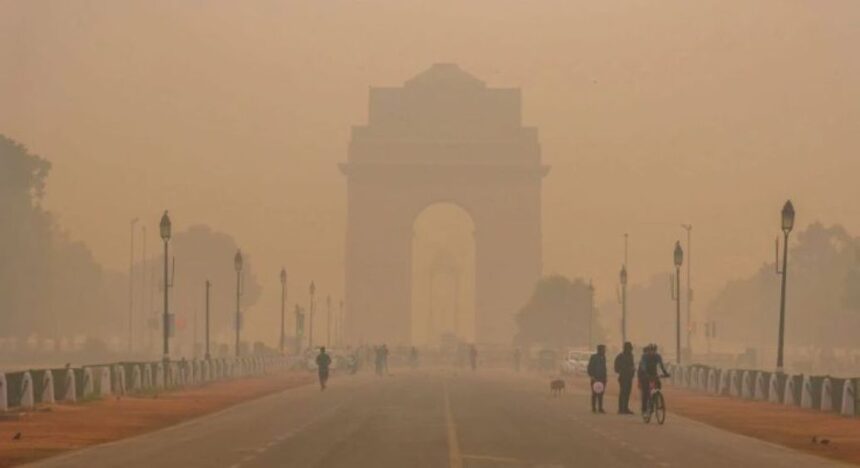
Delhi continues to be India’s most polluted megacity, recording the highest levels of PM2.5 pollution during the winter of 2024-25, despite showing a marginal improvement compared to the previous year. According to an analysis released by the Centre for Science and Environment (CSE) on Tuesday, the city’s average PM2.5 concentration from October 1, 2024, to January 31, 2025, stood at 175 micrograms per cubic metre. While this marks a decline from the 2023-24 winter season’s average of 189 micrograms per cubic metre, the pollution levels remain alarmingly high.
Delhi’s air pollution has been a major concern for years, with various factors contributing to the deteriorating air quality, including vehicular emissions, industrial pollution, stubble burning in neighboring states, and adverse meteorological conditions. While some efforts have been made to curb pollution levels, the report highlights that much more needs to be done to bring significant improvements in air quality.
Among India’s megacities, Kolkata emerged as the second-most polluted city during the winter season, with an average PM2.5 concentration of 65 micrograms per cubic metre. While considerably lower than Delhi’s pollution levels, it remains significantly above the World Health Organization’s (WHO) safe limit.
The report also assessed air quality trends in other major cities, noting that PM2.5 levels declined in Bengaluru, Mumbai, and Kolkata compared to the previous winter. However, pollution levels in Chennai and Hyderabad remained unchanged. According to the findings, the average PM2.5 levels during the 2024-25 winter were recorded at 52 micrograms per cubic metre in Hyderabad, 50 in Mumbai, 37 in Bengaluru, and 36 in Chennai.
The CSE analysis underscores the urgent need for stronger policy measures and enforcement mechanisms to combat rising air pollution. Experts have called for enhanced public transportation infrastructure, stricter vehicular emission norms, greater adoption of cleaner energy sources, and better air pollution management strategies. While the decline in pollution levels in some cities is a positive sign, Delhi’s persistent struggle with poor air quality highlights the challenges in achieving cleaner air nationwide.
The report also suggests that with continued government intervention, technological advancements, and public participation, significant improvements in air quality can be achieved in the coming years. However, sustained efforts and stringent regulatory measures will be crucial in ensuring long-term success in tackling India’s air pollution crisis.