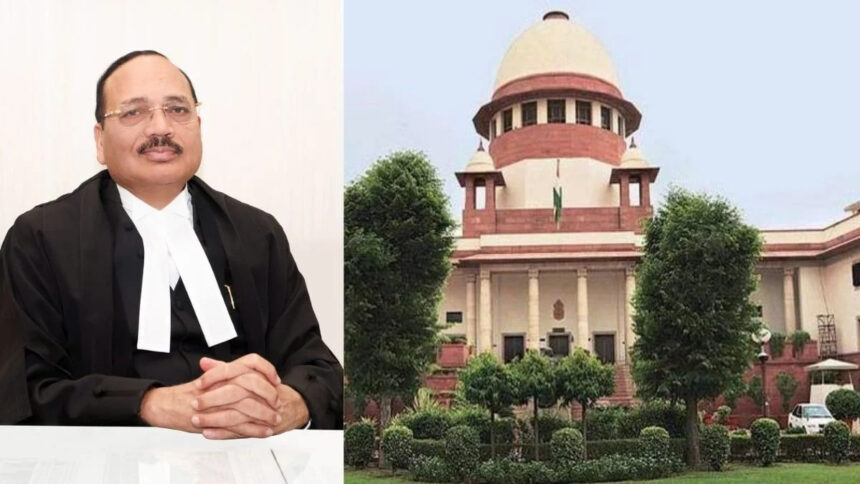
The escalating air pollution in Delhi has become a matter of national concern, affecting the health and daily lives of citizens, including those at the highest levels of the judiciary. Chief Justice of India Surya Kant recently expressed personal health concerns during a Supreme Court hearing, emphasizing the urgent need for solutions to Delhi’s worsening air quality. The Chief Justice highlighted the severe impact of pollution on both the general public and legal professionals, particularly older lawyers, underscoring the importance of immediate government intervention and strict adherence to pollution mitigation measures. The situation, marked by dangerously high Air Quality Index (AQI) readings, has prompted the Supreme Court to consider virtual hearings and other protective measures for those most affected.
Supreme Court Raises Alarm Over Health Impacts of Delhi Pollution
During the ongoing Supreme Court hearing related to the SIR case, CJI Surya Kant personally reflected on the dangers of Delhi’s deteriorating air quality. He recounted taking an hour-long walk the previous evening, after which he felt unwell, drawing attention to the severity of the pollution problem. The Chief Justice’s remarks were made in response to a request from Rakesh Dwivedi, an advocate for the Election Commission, who sought exemption from the hearing due to health concerns arising from exposure to Delhi’s polluted air. The Chief Justice highlighted that even simple outdoor activities, such as walking, are becoming increasingly difficult due to hazardous air quality levels.
CJI Surya Kant also raised concerns about the wellbeing of senior lawyers attending court in person, indicating that measures to exempt lawyers aged 60 and above from attending physical hearings were under consideration. He assured that any decision would involve consultations with the Bar and the Supreme Court staff to ensure the safety of legal professionals. Currently, the court conducts hearings in both physical and virtual formats, but the Chief Justice’s comments underscored the urgency of creating safer mechanisms for court proceedings in times of extreme pollution.
During the hearing, senior advocates also expressed difficulties with exposure to the polluted air, citing AQI levels between 400 and 500 that make breathing challenging. The Chief Justice affirmed the judiciary’s recognition of the health hazards posed by the deteriorating air quality and emphasized the need for immediate, well-coordinated measures to mitigate these risks for both court staff and the public. The discussion highlighted the broader public health implications of sustained high pollution levels, urging government authorities to implement effective solutions without delay.
Government Measures and GRAP Implementation to Curb Pollution
The Commission for Air Quality Management (CAQM) has recently intensified the Graded Response Action Plan (GRAP) in Delhi-NCR in response to rising pollution levels. Over the past few days, several key measures were upgraded and implemented to control air quality before it deteriorates further. The average AQI in Delhi-NCR recently reached 360, categorized as ‘very poor’, triggering immediate interventions by government agencies. These interventions are based on scientific studies, expert opinions, and prior experiences, ensuring that the actions are evidence-based and aimed at protecting public health.
GRAP involves a tiered approach to pollution management, with measures varying according to the severity of air quality deterioration. The recent revisions have effectively shifted the implementation thresholds downward, meaning that restrictions previously applied under GRAP-2 will now take effect at lower AQI levels. This includes changes to government office timings across Delhi, Gurugram, Faridabad, Ghaziabad, and Noida, as well as the possibility of central government offices adopting similar measures. Under severe pollution conditions (AQI above 400), 50% of staff in government, private, and municipal offices are now instructed to work from home to reduce outdoor exposure and curb vehicular emissions.
The Air Quality Index (AQI) serves as a crucial tool for understanding pollution levels and potential health risks. It measures concentrations of five primary air pollutants, including particulate matter (PM2.5 and PM10), ground-level ozone, carbon monoxide, sulfur dioxide, and nitrogen dioxide. Higher AQI levels correspond to higher concentrations of harmful pollutants, signaling an increased risk of respiratory and cardiovascular diseases, especially for vulnerable populations such as the elderly and children. The recent spike in AQI across Delhi, as well as neighboring regions in Haryana, Uttar Pradesh, and Rajasthan, underscores the immediate health hazards posed by smog, vehicular emissions, and industrial pollutants.
Experts warn that sustained exposure to AQI levels above 300 can lead to serious health consequences, including lung irritation, respiratory infections, asthma exacerbations, and cardiovascular complications. The Supreme Court’s concern for older lawyers and staff reflects these documented risks, highlighting the importance of precautionary measures such as virtual hearings and flexible work arrangements. The rising AQI is not merely a numerical indicator but a direct reflection of public health vulnerability, emphasizing the need for long-term solutions in urban planning, vehicular emission control, industrial regulation, and green space management.
The GRAP framework categorizes air quality into four levels and prescribes specific actions for each category. Measures range from adjusting work schedules and reducing outdoor activities to restricting industrial operations and limiting vehicular traffic. By preemptively implementing stricter measures, authorities aim to prevent the AQI from reaching dangerously high levels that would severely impact public health. The current adjustments in GRAP rules reflect lessons learned from past pollution episodes, ensuring a proactive rather than reactive approach to air quality management.
The Supreme Court’s acknowledgment of pollution-related health risks also underscores the intersection of environmental governance and public administration. As urban populations grow and industrial activities expand, Delhi and the NCR region face persistent challenges in balancing economic growth with environmental sustainability. Authorities must continuously monitor air quality, coordinate among multiple government departments, and adopt innovative solutions such as electric vehicle promotion, stubble burning control, and green infrastructure development to reduce emissions and protect public health.
In addition to immediate GRAP measures, long-term strategies include enhancing public awareness, promoting clean energy, and enforcing stricter pollution control standards for industries and vehicles. The judiciary’s intervention and public statements serve as a catalyst for coordinated action, reinforcing the urgency of mitigating air pollution while safeguarding the health of residents and professionals alike. The Chief Justice’s personal experience, along with requests from advocates and civil servants, provides a human perspective to the abstract numbers of AQI, emphasizing the tangible consequences of environmental neglect.
The rising pollution levels in Delhi and surrounding regions present a significant public health crisis that requires sustained attention. Measures such as adjusting court proceedings, enabling work-from-home protocols, implementing GRAP effectively, and monitoring emissions are critical for mitigating short-term exposure risks. Furthermore, these actions highlight the importance of considering vulnerable populations, including senior citizens and individuals with pre-existing health conditions, in policy design and execution.
As the AQI continues to fluctuate, the combination of judicial advocacy, administrative action, and citizen awareness is essential to address the pollution crisis effectively. Without coordinated efforts, the health risks will persist and likely escalate during peak pollution months, exacerbating respiratory illnesses, cardiovascular problems, and other pollution-related diseases. The Supreme Court’s proactive stance and the Chief Justice’s remarks underscore the gravity of the situation, calling for immediate intervention and long-term planning to restore Delhi’s air quality to safe levels.
The convergence of judicial concern, scientific evidence, and policy implementation illustrates the multi-faceted approach required to tackle air pollution. By adjusting work schedules, incorporating remote work options, and enhancing public compliance with GRAP rules, authorities aim to protect citizens while maintaining governance and administrative functionality. The Chief Justice’s personal account, coupled with advocacy from senior lawyers, reinforces the need for responsive governance that prioritizes human health alongside operational efficiency.
With Delhi’s AQI reaching hazardous levels frequently, the city’s air quality crisis has far-reaching implications, affecting not only health but also productivity, education, and social well-being. The judiciary, government agencies, and civil society must work in tandem to implement preventive measures, reduce emissions, and raise awareness about the risks of air pollution. Ensuring timely action, monitoring compliance, and integrating environmental considerations into urban planning remain critical for long-term improvement in air quality and public health outcomes.