The Delhi High Court on Wednesday sharply questioned the Centre over the widespread disruption faced by air travellers amid the ongoing IndiGo crisis, raising concerns about soaring airfares, stranded passengers, and apparent lapses in governmental oversight. The court scrutinized why the government failed to prevent airfares from skyrocketing to Rs 35,000–Rs 39,000 for certain flights, and what immediate measures were implemented to assist the millions of passengers affected by the airline’s mass cancellations. Justice Gedela highlighted the severity of the situation, asking why such a crisis had been allowed to precipitate and how other carriers were permitted to exploit the scenario by charging exorbitant fares. The HC’s observations underscore growing frustration with both airlines and regulatory authorities as passengers continue to face extensive inconvenience and harassment at airports across India.
Delhi HC Questions Government Oversight and Airline Accountability Amid Fare Surge and Flight Cancellations
During proceedings, the court demanded detailed explanations from the Centre regarding the measures taken to manage the thousands of passengers stranded across airports nationwide. The additional solicitor general informed the bench that a show-cause notice had already been served to IndiGo, which had responded with a profuse apology. However, the court pressed for clarity on how the government had ensured passengers’ welfare during the crisis and why other airlines were allowed to hike fares during this period of disruption. Justice Gedela emphasized that in the event of a crisis, there should have been preventive mechanisms in place to mitigate harassment, safeguard passenger interests, and maintain fare transparency.
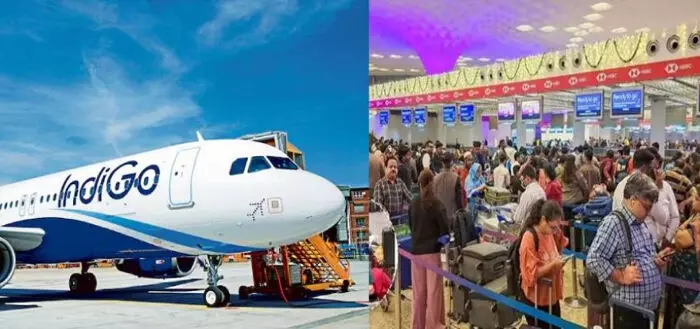
The IndiGo disruptions, which began after the airline announced hundreds of flight cancellations citing changes in pilots’ flight duty and rest regulations, triggered national outrage. The Delhi HC’s intervention came in the wake of mounting frustration among passengers, widespread media coverage, and legal scrutiny. Air travellers reported chaotic situations at major airports, long queues for assistance, and difficulty finding alternate flights as fares surged uncontrollably. The bench expressed concern that such lapses could not be overlooked and pressed the government to detail any contingency measures taken to alleviate the burden on stranded passengers.
Implementation delays of the Flight Duty Time Limitations (FDTL) scheme were also cited during the hearings. The additional solicitor general noted that the rollout had been postponed since 2024 due to repeated requests from IndiGo for extensions, along with assurances provided to the authorities about compliance before the single-judge bench. The court questioned how such assurances failed to prevent the cascading operational challenges faced by the airline and why the regulatory framework did not preemptively address the impending crisis.
Supreme Court Acknowledges Severity, HC Seeks Detailed Government Action on Passenger Relief
The Delhi HC agreed to hear a plea regarding the IndiGo crisis after the Supreme Court acknowledged the seriousness of the issue, calling it a “serious matter” affecting lakhs of travellers. Chief Justice Surya Kant noted that while the government had taken cognisance of the situation, the scale of inconvenience required detailed judicial oversight. The HC asked the Centre to explain the arrangements made at airports to manage stranded passengers, ensure minimal harassment, and provide necessary assistance. The bench sought to ascertain whether any action had been taken to address grievances and why the situation escalated to such an extent.
IndiGo, India’s largest private airline, has faced criticism not only from the public but also from the central government for scrapping hundreds of flights since December 2. The cancellations, attributed to revised pilot duty and rest regulations, left vast numbers of passengers stranded, forcing many to seek alternative travel arrangements at inflated fares. Reports emerged of passengers being compelled to pay as high as Rs 39,000 for replacement flights, while others faced significant delays in receiving refunds or rescheduling assistance. The HC sought to probe the mechanisms in place to prevent such exploitation by other carriers and to protect passengers during unforeseen disruptions.
The court’s observations reflect broader concerns about airline accountability, regulatory oversight, and consumer protection in India’s aviation sector. The HC questioned why the government allowed a crisis to unfold without effective preemptive measures, and why passengers’ rights and safety were compromised amid operational lapses. The scrutiny also extended to the implementation of regulatory frameworks like the FDTL scheme, intended to ensure pilots’ compliance with duty and rest regulations while maintaining operational stability and passenger safety.
The IndiGo disruptions have exposed systemic vulnerabilities in airline management, regulatory enforcement, and crisis response, highlighting the need for urgent reforms in India’s civil aviation sector. With millions affected across domestic routes, the incident has drawn the attention of both the judiciary and the central government, prompting a review of contingency protocols, passenger assistance frameworks, and fare monitoring mechanisms. Legal experts suggest that the HC’s intervention could lead to stricter enforcement of passenger rights, enhanced accountability for carriers, and more robust regulatory oversight to prevent recurrence of such crises.
The additional solicitor general assured the court that the government had already engaged with IndiGo to mitigate the impact on travellers, including the issuance of show-cause notices and monitoring of airline operations. However, the bench pressed for specific details regarding immediate relief measures, communication with stranded passengers, and steps taken to prevent other carriers from exploiting the situation by raising fares unreasonably. The court underscored that transparency, proactive management, and equitable treatment of passengers are essential to maintain trust in India’s aviation sector.
The crisis also raised questions about the adequacy of grievance redressal mechanisms at airports and within airlines. Passengers reported difficulties in contacting customer support, delays in receiving compensation, and uncertainty regarding flight schedules. The HC highlighted these gaps as indicative of systemic issues requiring intervention at both the regulatory and operational levels. Justice Gedela questioned the Centre on how such lapses were allowed despite prior knowledge of the airline’s operational challenges and the potential for large-scale disruption.
While the Supreme Court declined an urgent hearing, it acknowledged the gravity of the situation, reinforcing the need for thorough investigation and corrective measures. The ongoing judicial scrutiny, coupled with public outrage, has intensified pressure on IndiGo and the government to implement immediate remedies, streamline passenger assistance, and enforce compliance with aviation regulations. The HC’s active monitoring ensures that passenger safety, fare fairness, and operational accountability remain central to the resolution of the crisis.
The Delhi HC also sought to explore how airline operational decisions, such as mass cancellations, interact with regulatory obligations under the Directorate General of Civil Aviation (DGCA). It questioned whether the oversight mechanisms were sufficient to prevent such large-scale passenger inconvenience and whether the Centre had employed all available measures to protect consumer interests. The bench pressed the government to explain the measures taken to assist passengers stranded at airports, ensure alternative travel arrangements, and monitor fare exploitation by other carriers.
The IndiGo crisis, which has stranded lakhs of passengers and caused fare surges to unprecedented levels, has emerged as a major issue attracting the attention of India’s judiciary and central authorities. The Delhi High Court’s intervention underscores the need for urgent regulatory review, better passenger management, and stricter enforcement of airline accountability norms. As the situation continues to evolve, legal experts, passengers, and the public are closely watching the actions of both the government and IndiGo, anticipating comprehensive measures to restore order, prevent exploitation, and ensure passengers’ rights are fully protected.