A suicide bombing during Friday prayers in Islamabad left dozens dead, exposing persistent militant threats in Pakistan’s capital.
Attack during prayers leaves heavy casualties and triggers urgent investigation
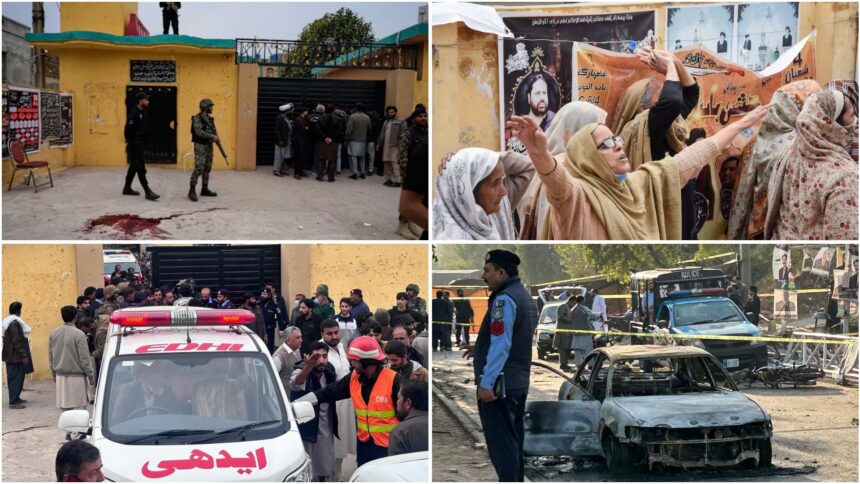
A powerful explosion tore through a Shia religious centre on the outskirts of Islamabad on Friday afternoon, killing at least 31 people and injuring more than 150 others. The blast occurred while worshippers were gathered for Friday prayers, turning a place of devotion into a scene of devastation and panic. Authorities confirmed that the explosion was a deliberate attack and immediately launched a large-scale investigation.
According to police officials, the attacker was intercepted by security personnel at the entrance of the religious complex. An exchange of gunfire reportedly followed as guards attempted to prevent him from entering. Despite their efforts, the attacker managed to move deeper into the premises, where he detonated the explosive device amid the congregation. The force of the blast caused extensive damage and resulted in severe injuries, with several victims listed in critical condition.
Emergency services rushed to the scene as sirens echoed through the area. Rescue teams worked frantically to transport the wounded to nearby hospitals, while security forces sealed off the vicinity to prevent further threats. Eyewitnesses described scenes of chaos, with debris scattered across the compound and survivors desperately searching for missing relatives.
Initial casualty figures were significantly lower, but the death toll rose steadily as critically injured victims succumbed to their wounds. Hospitals in Islamabad were placed on high alert, and blood donation appeals were issued as medical staff struggled to cope with the influx of patients. Officials described the attack as one of the deadliest assaults on a religious gathering in the capital in recent years.
The targeting of a Shia place of worship has once again raised concerns over sectarian violence in Pakistan. Shia Muslims, who form a minority in the country, have frequently been targeted by militant groups seeking to inflame communal tensions. While no organisation immediately claimed responsibility for the bombing, investigators indicated that suspicion was likely to fall on extremist outfits with a history of similar attacks.
National condemnation follows as leaders vow justice and stronger security measures
The attack drew swift condemnation from Pakistan’s top leadership. Asif Ali Zardari described the bombing as a crime against humanity and expressed solidarity with the families of those killed. He emphasised that targeting innocent worshippers violated basic human values and pledged the state’s support to the victims and their loved ones.
Prime Minister Shehbaz Sharif also denounced the attack, ordering a comprehensive investigation to identify and punish those responsible. He stressed that acts of terror would not weaken the nation’s resolve and directed security agencies to intensify efforts to prevent further incidents. Sharif’s statement came as the capital was hosting a high-profile diplomatic visit, underlining the broader security implications of the attack.
Interior Minister Mohsin Naqvi visited hospitals to review medical arrangements and instructed authorities to ensure the best possible treatment for the injured. He also called for enhanced vigilance at religious sites, particularly during major prayer gatherings, acknowledging the heightened risk of attacks.
The bombing occurred against a backdrop of escalating militant violence across the country. Recent attacks in other regions, including insurgency-hit areas of Balochistan, have underscored the ongoing challenges faced by security forces. Analysts note that while Islamabad is considered one of the more secure cities, such incidents demonstrate the persistent ability of militant networks to strike symbolic and sensitive targets.
As investigations continue, forensic teams are examining evidence from the blast site, including remnants of the explosive device and security footage from the surrounding area. Authorities are also reviewing security protocols at religious centres nationwide, amid growing public concern over safety during communal gatherings.
The attack has reignited debate within Pakistan about counterterrorism strategies, intelligence coordination, and the protection of minority communities. For many residents of the capital, the tragedy has shattered a sense of relative security, replacing it with grief, anger, and an urgent demand for accountability.