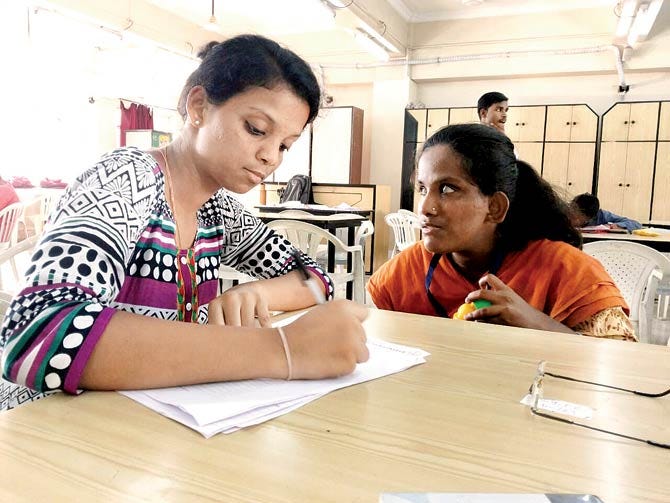
The central government has introduced comprehensive revisions to the rules governing the use of scribes for persons with disabilities (PwDs) in competitive examinations, aiming to ensure fairness, integrity, and transparency in the examination process. These new guidelines, issued by the Ministry of Social Justice and Empowerment, are designed to prevent malpractice and enhance independent functioning of PwD candidates by encouraging the use of assistive technologies. With growing concerns over collusion between candidates and privately arranged scribes, the government has mandated the creation of vetted scribe pools within a two-year timeframe, marking a significant shift away from the widely used “own scribe” system. This initiative seeks to balance accessibility with the credibility of competitive examinations, supporting candidates to perform on an equal footing while maintaining the highest standards of examination integrity.
Revised Guidelines and Implications for Scribe Use in Competitive Exams
The updated guidelines emphasize a structured and uniform approach to scribe usage across all competitive written examinations linked to employment and admissions in professional and technical courses. The government’s move comes in alignment with the Rights of Persons with Disabilities Act, 2016, and the Public Examination (Prevention of Unfair Means) Act, 2024, while also incorporating directives from the Supreme Court to ensure a legally robust framework. Examining bodies such as the Union Public Service Commission (UPSC), Staff Selection Commission (SSC), and the National Testing Agency (NTA) are required to establish and maintain pools of trained and supervised scribes within two years, with the “own scribe” system being gradually phased out. Until these scribe pools are operational, candidates may be allowed to use privately arranged scribes in exceptional cases, ensuring that the transition is smooth and does not disadvantage candidates with functional limitations.
The eligibility criteria for scribes have been tightened to prevent conflicts of interest and maintain examination integrity. Scribes must generally possess qualifications two to three years below the minimum academic requirement of the examination. They are prohibited from being candidates of the same examination and must not have any conflicting affiliations that could compromise fairness. Examining authorities are expected to provide regular training, evaluate scribe performance, and offer incentives to maintain a pool of reliable, accountable, and competent scribes. This structured approach aims to reduce instances of malpractice, such as scribes writing answers independently without adequate dictation, which have been reported in earlier examination cycles.
The guidelines also incorporate the use of assistive technology to promote independent functioning of candidates with disabilities. Tools such as software-enabled laptops, Braille devices, large print materials, recording devices, and screen readers like JAWS and NVDA are recommended to empower candidates. The government emphasizes that candidates should be encouraged to rely on these tools whenever possible, enabling them to attempt examinations independently while minimizing dependence on human scribes. By fostering self-reliance and technological proficiency, the guidelines not only enhance examination integrity but also prepare PwD candidates for future professional and workplace environments.
Accessibility Measures and Candidate Support Framework
Beyond scribe regulations, the new guidelines highlight extensive measures to make examination environments accessible and supportive for PwD candidates. Exam centres must be fully accessible, with features such as ramps, lifts, wide corridors, ground-floor seating, and audio announcements to facilitate ease of movement and participation. Special accommodations, including quieter rooms for neurodiverse candidates and individuals with chronic health conditions, are also mandated, ensuring equitable testing conditions. Candidates with functional limitations in writing will receive compensatory time of at least 20 minutes per hour of examination, irrespective of whether they use a scribe, reinforcing fairness and enabling all candidates to demonstrate their knowledge effectively.
Training of examination staff is another critical element emphasized in the guidelines. Invigilators are to undergo annual sensitization programs to ensure familiarity with disability etiquette and protocols, promoting an inclusive examination environment. Exam authorities are required to implement grievance redressal mechanisms for PwD candidates to address concerns promptly and transparently. Additionally, feedback mechanisms for scribe performance are mandated, allowing continuous monitoring and improvement of services provided to candidates. This holistic framework ensures that the support system extends beyond individual examinations, fostering a culture of accessibility and fairness across the competitive examination ecosystem.
Privacy and data protection are also central to the revised rules. Examining bodies must securely store personal and medical information of candidates under the Digital Personal Data Protection Act, 2023, safeguarding sensitive data while complying with legal requirements. Any non-compliance by officials, including failure to implement accessibility measures or exclusion of PwD candidates, may attract penal action. Similarly, malpractice by candidates or scribes, including collusion or breach of examination protocols, is subject to strict penalties, ensuring accountability and adherence to prescribed rules.
The guidelines underscore the broader objective of preparing PwD candidates for independent functioning in educational and professional contexts. By reducing reliance on scribes and encouraging assistive technologies, candidates are empowered to enhance their confidence and capability, while simultaneously maintaining the integrity of examinations. The phased approach to replacing the “own scribe” system with vetted scribe pools demonstrates a balanced strategy, allowing for a seamless transition while addressing concerns about credibility, transparency, and fairness in competitive examinations.
The Ministry of Social Justice and Empowerment has consulted with various responsible bodies, including UPSC, DoPT, and the National Recruitment Agency (NRA), to identify vulnerabilities in the current scribe system. Their inputs highlighted that privately arranged scribes were a significant source of malpractice, undermining the credibility of examinations and the legitimacy of candidate performance. The comprehensive revision of scribe policies, combined with accessibility enhancements and technology integration, reflects the government’s commitment to fostering a fair, inclusive, and accountable examination ecosystem.
Through these measures, the revised framework seeks to ensure that all PwD candidates can compete on an equal footing while safeguarding the integrity of competitive exams across India. By implementing scribe pools, establishing clear eligibility criteria, integrating assistive technologies, and providing an accessible examination infrastructure, the government aims to achieve a transparent, efficient, and equitable system. Candidates are encouraged to adopt technological tools, which in the long run, will reduce dependency on scribes, enhance self-sufficiency, and contribute to better preparation for professional life.
The revised guidelines also promote systematic monitoring and continuous improvement. Examination authorities must collect feedback from PwD candidates on the quality and performance of scribes, helping identify gaps and training needs. Incentives and recognition for competent scribes further reinforce accountability, encouraging high standards and professional conduct. By combining oversight, training, and structured support, the government intends to build a reliable pool of scribes who can assist candidates without compromising fairness or integrity.
In addition, the framework addresses challenges related to accessibility and inclusivity at every stage of the examination process. From physically accessible test centres to equitable timing adjustments and specialized accommodations for neurodiverse candidates, the guidelines create an environment that enables PwD candidates to perform optimally. The integration of assistive technology ensures that candidates with various disabilities can navigate examinations independently, highlighting a progressive approach to inclusion in the Indian competitive examination landscape.
Overall, the government’s revised guidelines for scribe use in competitive exams represent a significant step forward in promoting fairness, accessibility, and transparency for PwD candidates. By phasing out privately arranged scribes, instituting vetted scribe pools, encouraging the adoption of assistive technologies, and ensuring fully accessible examination centres, the policy addresses past vulnerabilities while fostering an inclusive and accountable environment. These measures are designed not only to uphold the integrity of examinations but also to empower candidates with disabilities, preparing them for independent functioning in professional and academic settings.
The comprehensive approach outlined in the revised guidelines illustrates a balance between enabling accessibility and maintaining examination integrity. By integrating technology, structured support systems, and strict accountability measures, the government seeks to ensure that all PwD candidates can compete fairly and independently. The two-year phased implementation allows for a smooth transition from the “own scribe” system to institutionalized scribe pools, while continuous monitoring, training, and feedback mechanisms ensure high standards and credibility. Through these reforms, the central government has set a benchmark for inclusive examination practices that uphold fairness, transparency, and empowerment for persons with disabilities across India.