BRICS+ Welcomes Indonesia: What Does It Mean for the Global Order?
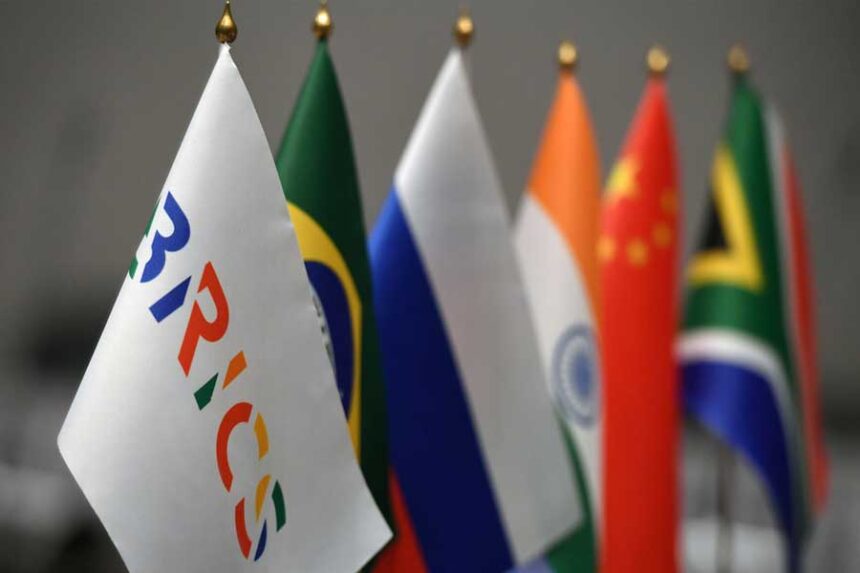
The BRICS group, a coalition of major developing nations, has taken another leap forward by welcoming Indonesia as its newest full member. Following last year’s inclusion of Iran, Egypt, Ethiopia, and the UAE, BRICS+ is rapidly transforming into a bloc of significant geopolitical and economic influence.
With this expansion, BRICS+ now represents approximately 46% of the global population and 40% of global GDP. But what drives this expansion, and what does it mean for the world, especially for India?
Why is BRICS Expanding Now?
- The Rise of the Global South:
Emerging economies feel underrepresented in Western-led systems like the IMF and World Bank. BRICS+ offers a unified platform to amplify their voices and assert their economic and geopolitical significance.Fact: BRICS+ now represents 60% of the global population, giving developing nations a stronger global presence. - De-Dollarization:
Reducing dependency on the US dollar has become a core agenda for BRICS nations. Expanding the bloc allows for greater use of local currencies in trade. - Geopolitical Realignment:
BRICS expansion is an effort to establish a multipolar world order, challenging the dominance of Western alliances like G7 and NATO.
Impact of BRICS+ Expansion
- Demographic Influence:
With the inclusion of Indonesia and other members, BRICS+ represents a youthful, growth-driven workforce, positioning itself as an engine of global economic growth. - Diplomatic Strength:
BRICS+ can now wield greater influence in global forums like the UN and WTO. Members like Indonesia and the UAE bring strategic partnerships in Asia and the Middle East, enhancing the bloc’s diplomatic reach. - Economic Powerhouse:
The expanded bloc accounts for 30% of global GDP and 40% of global oil production. Energy-exporting members like UAE and Indonesia strengthen BRICS+ as a major player in energy security. - Geopolitical Impact:
The bloc’s growing influence is reshaping alliances and giving developing nations more autonomy in trade and security priorities.
BRICS+ and Global Geopolitical Tensions
- US-China Rivalry:
As US-China trade tensions rise, BRICS+ offers an alternate trade route and manufacturing hub, reducing global reliance on Western systems. - Russia-Ukraine Conflict:
Russia’s role in BRICS+ has become more prominent post-Ukraine war, with energy dynamics becoming a critical focus for the bloc. - Debt Crisis in Developing Nations:
With external debts rising, the BRICS Development Bank provides a much-needed alternative to Western-controlled funding models.
Global Perception of BRICS+ Expansion
- Western Concerns:
Western blocs like G7 view BRICS+ as a challenge to their dominance, especially with its push for de-dollarization. - Mixed Asian Reactions:
While BRICS+ strengthens Asia’s presence, leadership dynamics between India and China remain under scrutiny. - Optimism in Africa and the Middle East:
African nations like Ethiopia see BRICS+ as a platform for infrastructure and trade development. Similarly, the inclusion of UAE and potential Saudi Arabia membership highlights the bloc’s growing role in energy geopolitics.
India’s Role in BRICS+ Expansion
- Opportunities in Trade and Energy:
For India, the expansion opens doors for enhanced energy security and trade partnerships with newly included members like Indonesia and UAE. - Leadership Challenges with China:
China’s increasing influence in BRICS+ poses a challenge to India’s leadership role within the bloc. - Geopolitical Leverage:
India can play a balancing role by leveraging its diplomatic outreach and regional partnerships to strengthen its position within BRICS+.
BRICS+ vs. G7: A New Global Dynamic
- Representation and Inclusivity:
While G7 represents just 10% of the global population, BRICS+ represents a staggering 46%. This shift highlights the inclusivity of BRICS+ in addressing developing nations’ aspirations. - Economic Independence:
G7 focuses on controlling global financial policies through institutions like IMF and World Bank, often at the expense of developing nations. In contrast, BRICS+ promotes de-dollarization and local currency trade, fostering financial autonomy. - Geopolitical Influence:
As G7 struggles to maintain dominance, BRICS+ emerges as a balancing force in a polarized world order, correcting imbalances and giving developing nations a stronger voice.
Conclusion: A New Global Order?
The expansion of BRICS+ marks a significant shift in global geopolitics. For developing nations, it is a platform to amplify their collective voice and challenge existing imbalances in global systems. For India, it is both an opportunity to strengthen its leadership role and a challenge to navigate growing Chinese influence within the bloc.
As BRICS+ continues to grow, its impact on global diplomacy, trade, and energy security will only increase. What do you think—will BRICS+ reshape the global order? Share your thoughts in the comments!
Watch full video here: https://youtu.be/hWOS3ZFI_CA