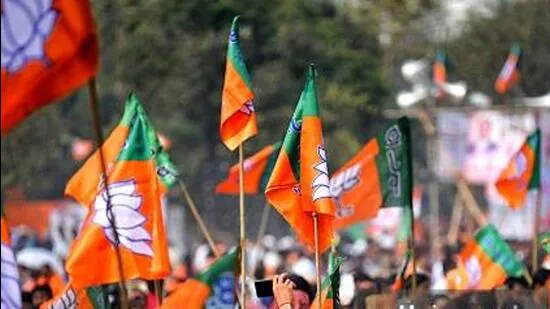
In a decisive move ahead of the upcoming Bihar Assembly elections, the Bharatiya Janata Party (BJP) has adhered to its established social engineering strategy, ensuring a broad spectrum of caste representation while introducing fresh candidates to the political fray. The party’s first list of candidates, comprising 71 names, reflects a careful blend of experience, social diversity, and gender inclusivity. This approach underscores the BJP’s intention to consolidate its traditional voter base while reaching out to marginalized communities, including Dalits, backward classes, extremely backward classes, and women. Analysts and party insiders alike interpret this as a calculated strategy to maximize electoral gains in a state where caste dynamics continue to play a pivotal role in shaping political outcomes. By emphasizing social inclusion and balancing the interests of various communities, the BJP aims to strengthen its foothold in Bihar’s complex socio-political landscape.
Strategic Social Representation and Caste Calculations
The BJP’s candidate selection demonstrates a nuanced understanding of Bihar’s social fabric. According to senior party officials, more than sixty percent of tickets in the first candidate list have been allotted to members of historically marginalized groups and women, reflecting the party’s sustained commitment to inclusive representation. This includes 20 candidates from Other Backward Classes (OBCs), 11 from Extremely Backward Classes (EBCs), and eight women. In addition, six candidates from Scheduled Castes (SC) and Scheduled Tribes (ST) communities have been fielded, showcasing the party’s effort to ensure participation of communities traditionally underrepresented in politics.
While caste representation has long been a central feature of Bihar’s political landscape, the BJP’s approach seeks to consolidate its electoral base by catering to both traditional supporters and emerging voter segments. The candidate list includes representation from upper castes as well, with 11 Bhumihars, seven Brahmins, 15 Rajputs, along with candidates from Kayastha and Marwari communities, reflecting the party’s intent to retain support from its historical voter base. Analysts argue that this balance is crucial as it addresses perceptions that upper castes may feel sidelined in a caste-conscious political environment. At the same time, targeting marginalized communities aligns with the BJP’s broader strategy of integrating social welfare achievements with electoral outreach, particularly after a decade of NDA rule at the Centre and with Nitish Kumar leading in the state.
Senior party officials emphasized that the first list is designed to reflect both continuity and innovation. The BJP has deliberately maintained a mix of sitting representatives and new faces, deviating from its past practice of dropping 20-30 percent of incumbent candidates. This strategy ensures that experienced politicians continue to bring their knowledge and voter connections to the campaign, while new entrants inject energy and appeal to younger voters. Fresh faces in this list include Sanjay Gupta, replacing Arun Sinha in Kumhrar, Mithilesh Kumar replaced by Sunil Kumar Pintu in Sitamarhi, Ratnesh Khushwah from Patna Sahib replacing Nandkishore Yadav, and Sujeet Paswan from Rajnagar taking over from Ram Rit Paswan. Such changes are indicative of the BJP’s efforts to project a responsive and adaptable political organization that is attuned to local dynamics and voter expectations.
Electoral Implications and Political Analysis
The BJP’s calculated candidate distribution highlights the party’s intent to consolidate votes across the social spectrum while remaining competitive in constituencies with shifting dynamics. Political commentators have noted that the upper caste vote, traditionally seen as a BJP stronghold, faces potential competition from emerging political players such as Prashant Kishore’s Jan Suraaj Party, as well as the Rastriya Janata Dal, which has strategically fielded more candidates from influential communities. This evolving scenario underscores the importance of social engineering in Bihar, where caste affiliations and community interests continue to shape electoral behavior.
AK Jha, a political analyst, observed that the BJP’s list demonstrates an explicit attempt to balance the aspirations of upper castes with the needs of marginalized groups. While upper caste voters remain a key constituency for the BJP, there is growing recognition that these voters are discerning and may demand accountability and performance from candidates. Meanwhile, marginalized communities, including OBCs and EBCs, are increasingly influential due to targeted welfare interventions and political mobilization efforts. The BJP’s adoption of social engineering—previously a hallmark of the RJD—reflects a strategic evolution aimed at securing broad-based support.
By focusing on representation across communities and retaining a mix of seasoned and new candidates, the BJP aims to present a comprehensive electoral strategy that addresses both historical loyalties and emerging demands. The first list signals a continued emphasis on inclusive governance narratives, highlighting achievements in social welfare schemes and political empowerment for marginalized groups. Analysts suggest that this strategy also aims to counteract challenges posed by rival parties and newly formed political entities that seek to capitalize on caste dynamics to erode the BJP’s support base.
The allocation of constituencies further reflects a tactical approach. While some seats like Tarapur and Teghra have been swapped with the party’s ally Janata Dal United, the majority of constituencies with declared candidates remain unchanged. This indicates an effort to maintain continuity where the BJP has established strength while strategically adjusting alliances to optimize electoral prospects. Political observers note that this approach ensures both stability and adaptability, allowing the party to maintain cohesion while responding to changing electoral pressures.
Furthermore, the BJP’s candidate list underscores the centrality of gender representation. With eight women among the first 71 candidates, the party seeks to project inclusivity and acknowledge the importance of women’s participation in the political process. Analysts view this as part of a broader effort to appeal to a wider voter demographic and signal progressive governance priorities. Gender inclusivity, combined with caste-based representation, forms a dual strategy aimed at consolidating support from multiple constituencies simultaneously.
Commentators also highlight the intersection of social welfare policies and electoral strategy. Over the last decade, targeted programs and development initiatives have sought to empower marginalized communities and address socioeconomic disparities. By aligning candidate selection with these initiatives, the BJP strengthens its narrative of delivering results and ensuring that political representation mirrors policy achievements. This approach reinforces the perception that the party not only governs but also empowers communities, thereby creating a feedback loop that enhances voter loyalty and engagement.
In conclusion, the BJP’s first list of candidates for the Bihar elections is emblematic of a deliberate and multi-layered strategy. By blending caste representation, gender inclusivity, and a mix of experienced and new political faces, the party demonstrates a sophisticated understanding of Bihar’s electoral landscape. The social engineering approach aims to balance traditional allegiances with contemporary demands for equity and participation, reinforcing the BJP’s commitment to broad-based governance while positioning the party for a competitive electoral performance in the state’s upcoming assembly polls.
This strategic exercise also reflects the broader evolution of political campaigning in Bihar, where nuanced caste calculations, community engagement, and social inclusion remain critical determinants of electoral success. By leveraging these factors alongside targeted policy initiatives and candidate selection, the BJP seeks to consolidate its support, mitigate challenges from emerging political actors, and secure a decisive mandate in a highly competitive environment.