The Bihar government has urged farmers across the state to complete their Farmer ID registration by January 10, stressing that the initiative is crucial for ensuring uninterrupted access to government welfare schemes, subsidies, and digital agricultural services. The appeal comes as part of the state’s broader push toward digitising agricultural records, improving transparency, and creating a unified database of farmers that can support targeted policy delivery. Officials have emphasised that timely registration will help farmers avoid future disruptions in receiving benefits and enable the government to design more efficient, data-driven interventions for the rural economy.
The Farmer ID initiative is being positioned as a foundational reform in Bihar’s agricultural administration. By linking individual farmers to a unique digital identity, the state aims to streamline processes that have traditionally been burdened by paperwork, duplication, and delays. With the January 10 deadline approaching, the government has intensified outreach efforts, urging farmers to take advantage of facilitation centres and online portals to complete the process without last-minute difficulties.
Why Farmer ID registration matters for Bihar’s farmers and rural governance
The Farmer ID is envisioned as a single, verified digital identity for every farmer in Bihar, consolidating land records, crop details, and eligibility information under one platform. According to officials, this system will make it easier for farmers to access a wide range of benefits, including input subsidies, crop insurance, disaster compensation, and income support schemes. Instead of repeatedly submitting documents to different departments, farmers will be able to rely on their Farmer ID as a common reference across programmes.
From the government’s perspective, the initiative addresses long-standing challenges in agricultural administration. In the past, the absence of a unified database led to issues such as duplicate beneficiaries, delays in disbursing assistance, and difficulties in verifying eligibility. By completing Farmer ID registration, farmers help create a more accurate and reliable data ecosystem, which in turn allows the state to allocate resources more efficiently and reduce leakages.
The Farmer ID system is also expected to play a key role in policy planning. With verified data on crop patterns, landholding sizes, and farmer demographics, the government can design schemes that are better aligned with ground realities. For example, timely and accurate information can support targeted interventions during droughts, floods, or pest outbreaks, ensuring that assistance reaches those who need it most.
Officials have highlighted that Farmer ID registration is particularly important as agriculture becomes increasingly linked with digital platforms. Services such as online crop advisory, e-markets, and direct benefit transfers depend on accurate farmer data. Without registration, farmers may find themselves excluded from these evolving systems, putting them at a disadvantage as agricultural governance modernises.
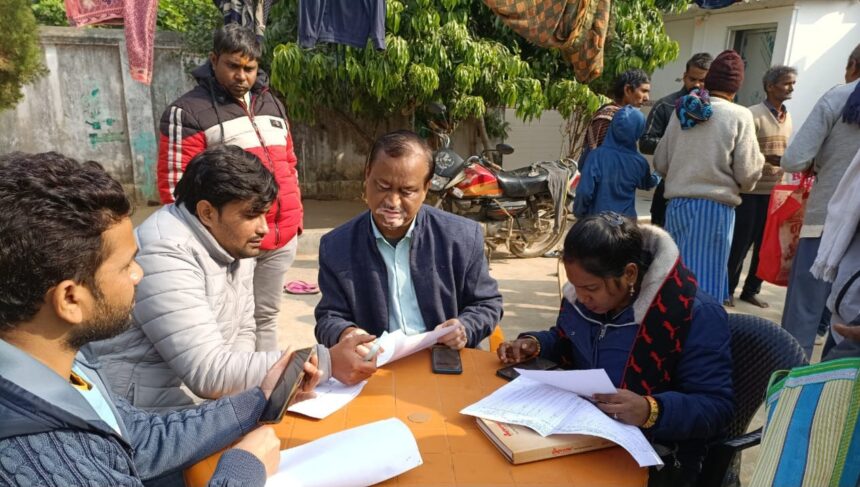
To address concerns about accessibility, the Bihar government has clarified that registration can be completed through multiple channels. Farmers can register online using designated portals or visit local facilitation centres, where officials and volunteers are available to assist with documentation and verification. Special efforts are being made to reach small and marginal farmers, who may have limited digital access but stand to benefit significantly from inclusion in the system.
Deadline, outreach efforts, and what farmers need to do next
With January 10 set as the deadline, the state government has stepped up awareness campaigns across districts. Local administration officials, agriculture department staff, and extension workers have been instructed to inform farmers about the importance of completing registration on time. Village-level meetings, announcements, and coordination with farmer groups are being used to spread the message and address doubts.
The registration process typically requires basic personal details, land information, and supporting documents to verify identity and farming status. Authorities have assured farmers that the process has been designed to be simple and farmer-friendly, with checks in place to minimise errors. Once registered, farmers will receive confirmation of their Farmer ID, which can then be used across government platforms.
Officials have cautioned that missing the January 10 deadline could lead to temporary difficulties in accessing certain benefits, especially as new schemes and digital services increasingly rely on the Farmer ID framework. While the government may consider future windows for registration, farmers are being strongly encouraged not to delay, as early completion ensures uninterrupted eligibility.
The push for Farmer ID registration also reflects a broader national trend toward digital governance in agriculture. By aligning with this direction, Bihar aims to strengthen its agricultural support systems and ensure that farmers are not left behind as policies and service delivery mechanisms evolve. The state’s emphasis on timely registration underscores its intent to make the transition as smooth and inclusive as possible.
As the deadline approaches, officials continue to reiterate that the Farmer ID is not merely a formality but a gateway to future benefits and services. By completing registration now, farmers can secure their place in a modernised agricultural framework that promises greater efficiency, transparency, and responsiveness to their needs.