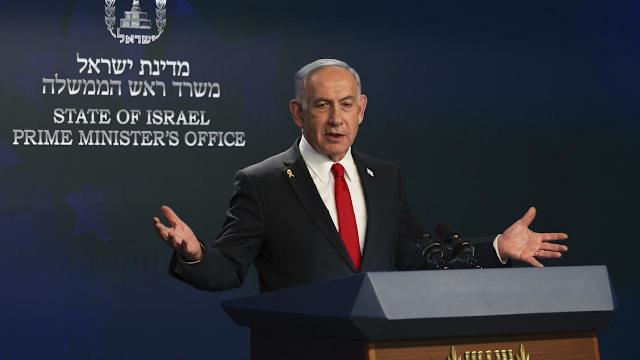
Israeli Prime Minister Benjamin Netanyahu is confronting escalating political turmoil as members of his right-wing coalition threaten to withdraw support and push for the dissolution of parliament. This move comes amid deep divisions within the coalition over military service exemptions for ultra-Orthodox men and growing public dissatisfaction fueled by the ongoing conflict in Gaza. Opinion polls suggest Benjamin Netanyahu’s coalition risks losing power if elections are held now, further intensifying the stakes as opposition parties prepare to challenge his government.
The coalition, which holds a slim majority in Israel’s 120-seat parliament, is grappling with tensions centered on United Torah Judaism’s demand for formal exemptions for ultra-Orthodox men studying in religious seminaries from mandatory military service. This issue has long been a source of friction, and United Torah Judaism has warned it will exit the government and support a motion to dissolve parliament unless the exemption is secured. The opposition party Yesh Atid, led by former Prime Minister Yair Lapid, has tabled a vote next week aimed at toppling Benjamin Netanyahu’s government, requiring support from at least 61 members.
Divisions Within the Coalition
The issue of military exemption has sharply divided the coalition’s secular and ultra-Orthodox factions. Some members of the right-wing coalition, including Ohad Tal from the Religious Zionism party, have criticized the threat to trigger elections and urged negotiations to find a new arrangement. However, Tal emphasized that an outright exemption could no longer be accepted. This reflects broader frustration with the informal exemption system that many see as unfair and unsustainable. Former Knesset member Ofer Shelah suggested that Benjamin Netanyahu may be counting on the ultra-Orthodox lawmakers bluffing to maintain leverage amid weakening poll numbers.
Political and Security Challenges
Benjamin Netanyahu’s government has faced widespread criticism for failing to prevent the surprise Hamas attack in October 2023, which led to the ongoing war in Gaza and significant loss of life. The conflict has deeply affected Israeli public opinion and intensified calls from protesters and hostage families for a resolution to the war. While some coalition members insist the conflict must continue until Hamas is eradicated, others worry the political fallout could threaten the government’s survival.
Despite Benjamin Netanyahu’s electoral victory in 2022 and his mandate through 2026, the political landscape remains unstable. Israel’s history of short-lived governments adds to the uncertainty as negotiations continue behind closed doors to avoid an early election triggered by internal coalition fractures. The next week is critical as Netanyahu and his allies seek to navigate these challenges while the opposition pushes to capitalize on the ruling coalition’s vulnerabilities.