The brutal killing of a young Hindu garment worker in Bangladesh has triggered widespread outrage and deepened concerns over minority safety, with the victim’s family strongly rejecting allegations of blasphemy and claiming the murder was a pre-planned conspiracy amid growing political and social instability in the country.
Family rejects allegations, claims targeted killing of Hindu minority
The victim, Dipu Chandra Das, a 27-year-old garment factory worker and follower of Hinduism, was beaten to death by a mob in the Bhaluka area of Mymensingh district. According to reports, his body was later hung from a tree and set on fire, sending shockwaves across Bangladesh and India. The attack was allegedly triggered by accusations of hurting religious sentiments, claims that his family has categorically denied.
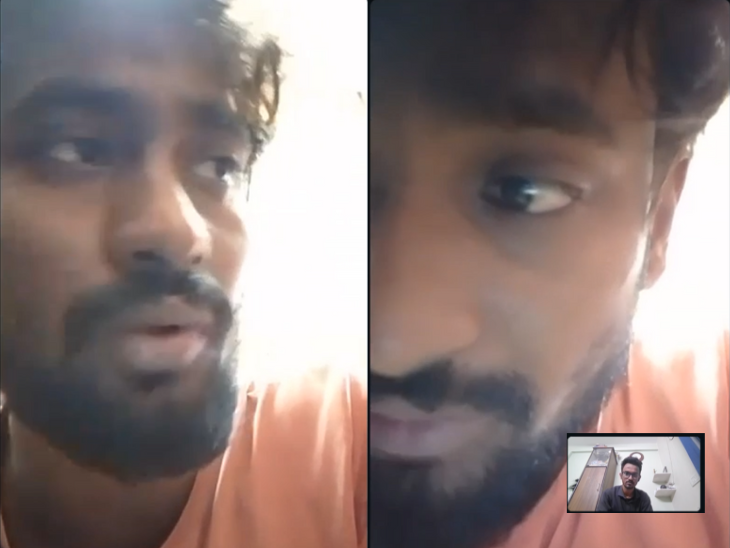
Speaking from Mymensingh city, Dipu’s brother Kartik Das said the allegations against his brother were completely fabricated. He asserted that if Dipu had committed any wrongdoing, there would have been video evidence, especially in an era when smartphones are ubiquitous. Kartik said the absence of any proof clearly indicated that the accusations were false and used as a pretext for murder.
Kartik described the killing as deliberate and well-planned, stating that his brother never made any remarks about religion. He said the family firmly believes the lynching was part of a conspiracy, though the precise motive remains unclear. Living in fear after the incident, Kartik claimed that such violence against Hindus is not isolated, alleging that members of the minority community are being attacked and killed regularly across different parts of Bangladesh.
He added that the repeated nature of such incidents points to a larger pattern of targeting, where mobs act with impunity while victims are posthumously accused of blasphemy without evidence. His statements have amplified concerns about communal tensions and the vulnerability of minorities in the country.
The killing drew strong condemnation from minority organisations, including the Bangladesh Hindu Buddhist Christian Unity Council, which described the act as barbaric and a serious blow to communal harmony. Rights groups warned that such incidents risk normalising mob violence and deepening fear among minority communities.
Arrests made as unrest deepens amid wider political turmoil
Bangladesh law enforcement agencies have arrested ten people in connection with the lynching. The Rapid Action Battalion detained seven suspects, while local police arrested three others. Interim government chief adviser Muhammad Yunus confirmed the arrests in a public statement, assuring that those responsible would be brought to justice.
The lynching took place against the backdrop of escalating political unrest across Bangladesh. The country has been gripped by tension following the killing of Sharif Osman Bin Hadi, a prominent youth leader of the 2024 uprising and a vocal critic of former prime minister Sheikh Hasina. Hadi was shot by masked assailants in Dhaka and later died while receiving treatment abroad, an incident that sparked nationwide protests.
Following Hadi’s death, Yunus declared a day of national mourning and ordered special prayers across Bangladesh. Thousands of protesters took to the streets of Dhaka demanding accountability, adding to an already volatile situation. The unrest has further intensified fears that law and order is deteriorating amid political uncertainty.
The killing of Dipu Chandra Das coincided with this period of upheaval, fuelling cross-border outrage. In India, protests were held outside the Bangladesh High Commission in Delhi and in Kolkata by groups including the Vishwa Hindu Parishad, demanding justice and protection for minorities in Bangladesh.
The violence follows months of instability triggered by student protests over a civil service quota system. Demonstrations escalated after court decisions and clashes between protesters and ruling party student wings, leading to widespread shutdowns, arson, and deadly confrontations across multiple districts. Despite later judicial reversals of the quota policy, protests persisted, and the death toll continued to rise.
As curfews were imposed and security forces deployed, international concern grew, with several foreign diplomatic missions calling for accountability and restraint. Fresh clashes in August resulted in further deaths, including police personnel, underscoring the depth of the crisis.
Against this turbulent backdrop, the lynching of a Hindu worker has become a powerful symbol of the intersection between political instability and communal vulnerability in Bangladesh. The victim’s family maintains that Dipu was not killed for any religious offence but was targeted deliberately, raising urgent questions about minority protection, mob justice, and the rule of law in a nation struggling to restore calm.