More than two weeks after the tragic Air India crash in Ahmedabad that claimed 241 lives, investigators and Air India are focusing on a possible dual engine failure scenario that may have led to the Boeing 787 Dreamliner being unable to stay airborne. The airline has conducted flight simulator tests replicating the doomed aircraft’s parameters, adding to the ongoing investigation by the Aircraft Accident Investigation Bureau (AAIB).
In these simulator tests, Air India pilots recreated the flight with the landing gear deployed and wing flaps retracted, but these conditions alone did not lead to a simulated crash. This suggests that additional technical failures may have contributed to the incident, according to sources familiar with the probe. These findings align with the earlier discovery that an emergency power turbine, or RAT, deployed seconds before the crash, indicating possible electrical or engine-related issues.
Investigators Analyse Multiple Scenarios
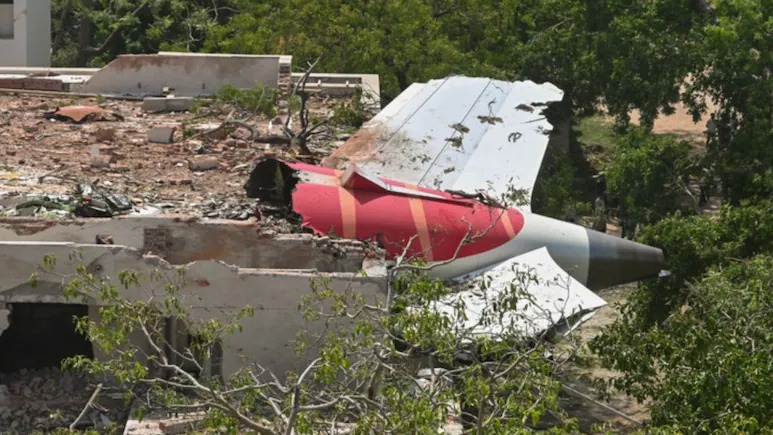
The Boeing 787, powered by General Electric engines, struggled to gain altitude before crashing shortly after takeoff on June 12. Video footage showed the aircraft climbing weakly before descending rapidly and exploding upon impact. While the exact cause of the crash remains unclear, investigators are analysing data from the recovered flight recorders, which are undergoing detailed examination for clues related to power loss, engine performance, and cockpit discussions.
The focus on a possible dual engine failure is due to pilots noting that while the landing gear had begun retracting, the gear doors had not opened, hinting at a hydraulic or electrical failure that could relate to engine issues. Additionally, the RAT deployment suggests that the aircraft lost electrical power before the crash. The Full Authority Digital Engine Control (FADEC) system, which manages the engines’ performance on modern aircraft, is also under review to determine if a system fault contributed to the crash.
Technical Checks and International Support
Experts have highlighted that although the wing flaps and slats, which help generate lift during takeoff, were extended correctly, the aircraft still failed to maintain altitude, suggesting deeper technical problems. The pilots had issued a Mayday call approximately 15 seconds before the crash, indicating severe distress and limited time for corrective action.
Teams from Boeing and the US National Transportation Safety Board are assisting the AAIB in the investigation. While Boeing and GE have declined to comment during the ongoing probe, their teams are on the ground providing technical insights as the analysis continues. The AAIB has yet to announce when it will provide an official update on the findings from the flight recorders, which are critical in understanding the aircraft’s exact settings, systems performance, and crew actions before the crash.
This incident marks the first crash involving a Boeing 787 Dreamliner and is the deadliest aviation accident in India in decades. The crash has prompted deeper technical checks and simulated tests as investigators seek to understand whether a rare dual engine failure, combined with other system factors, led to the fatal accident.