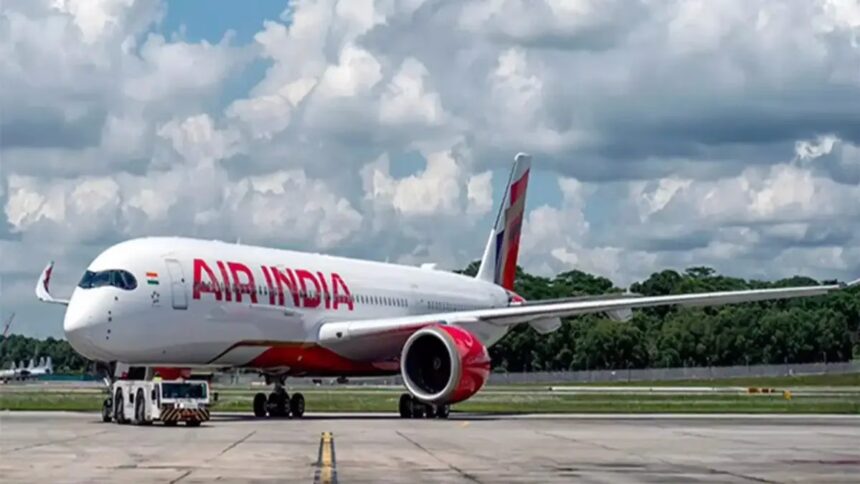
Air travel in India is set to become more expensive as major airlines, including Air India and IndiGo, have increased fuel surcharges in response to a sharp rise in aviation turbine fuel prices. The move comes amid global supply disruptions and geopolitical tensions, particularly in West Asia, which have significantly impacted fuel costs and airline operations.
The revision in fuel surcharge has already come into effect, with both domestic and international passengers expected to bear the impact through higher ticket prices. The development reflects the growing financial pressure on airlines as fuel costs surge, forcing carriers to pass on at least part of the burden to consumers.
Rising Fuel Costs Drive Airlines to Increase Ticket Prices
The primary reason behind the fare hike is the steep increase in aviation turbine fuel prices, which have surged dramatically due to ongoing geopolitical tensions and supply disruptions. Jet fuel prices have nearly doubled in recent weeks, creating one of the most challenging cost environments for airlines in recent years.
Air India has revised its fuel surcharge structure for both domestic and international routes. On domestic flights, the airline has shifted from a flat surcharge to a distance-based model, with charges ranging roughly between ₹299 and ₹899 depending on the route.
For international routes, the increase is even more significant. Surcharges have been raised sharply, in some cases reaching up to $280 for long-haul destinations. This reflects the fact that airlines must bear the full market-linked fuel price for international operations, unlike domestic routes where some price moderation exists.
IndiGo, India’s largest airline, had already implemented similar fuel charge increases earlier, adjusting fares based on travel distance and route type. The airline cited rising operational costs due to higher fuel prices as the key reason behind the move.
Fuel accounts for a major portion of airline operating expenses, often exceeding 40 percent. As costs continue to rise, airlines have little choice but to revise pricing strategies to maintain financial stability and sustain operations.
Impact on Passengers, Industry and Future Travel Trends
The immediate impact of the surcharge hike is being felt by passengers, as airfares across multiple routes have increased. Domestic travel, especially on longer routes, has become more expensive, while international travel has seen an even sharper rise due to the absence of price controls on fuel.
Industry experts suggest that sustained high fuel prices could affect passenger demand, particularly in price-sensitive segments. Higher ticket costs may lead to reduced travel frequency or a shift toward alternative modes of transport, especially for short-distance routes.
The timing of the fare hike is also significant, as it coincides with peak travel periods and increasing demand for air travel. Airlines are trying to balance rising costs with competitive pricing, but prolonged fuel price volatility could force further revisions in the coming months.
At a broader level, the situation highlights the vulnerability of the aviation sector to global events. Geopolitical tensions, especially in oil-producing regions, have a direct impact on fuel availability and pricing, which in turn affects airline operations worldwide.
Despite the increase in surcharges, airlines continue to absorb a portion of the cost to remain competitive. However, if fuel prices remain elevated, further fare adjustments cannot be ruled out, making air travel progressively more expensive for passengers.