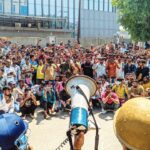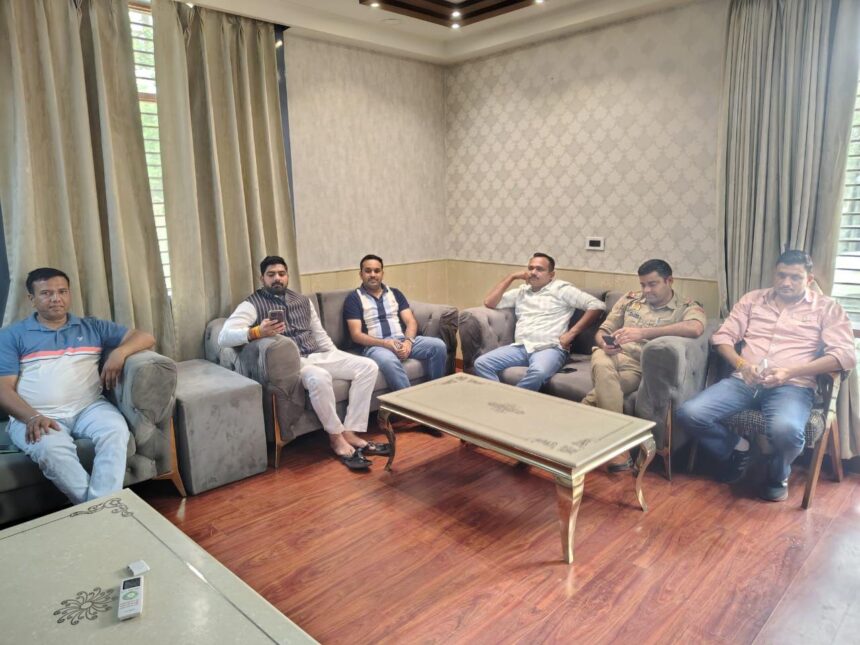
The labour unrest in Noida has taken a sharper political turn after Aam Aadmi Party youth wing state president Pankaj Awana was placed under house arrest on April 17, just hours before a scheduled meeting with the Gautam Buddh Nagar district administration. The meeting was expected to address pressing concerns of protesting industrial workers, including wage stagnation and deteriorating working conditions. The sudden detention has triggered strong reactions within political circles and appears to have further energized the ongoing protests across the region.
Detention Ahead of Administrative Dialogue Raises Concerns
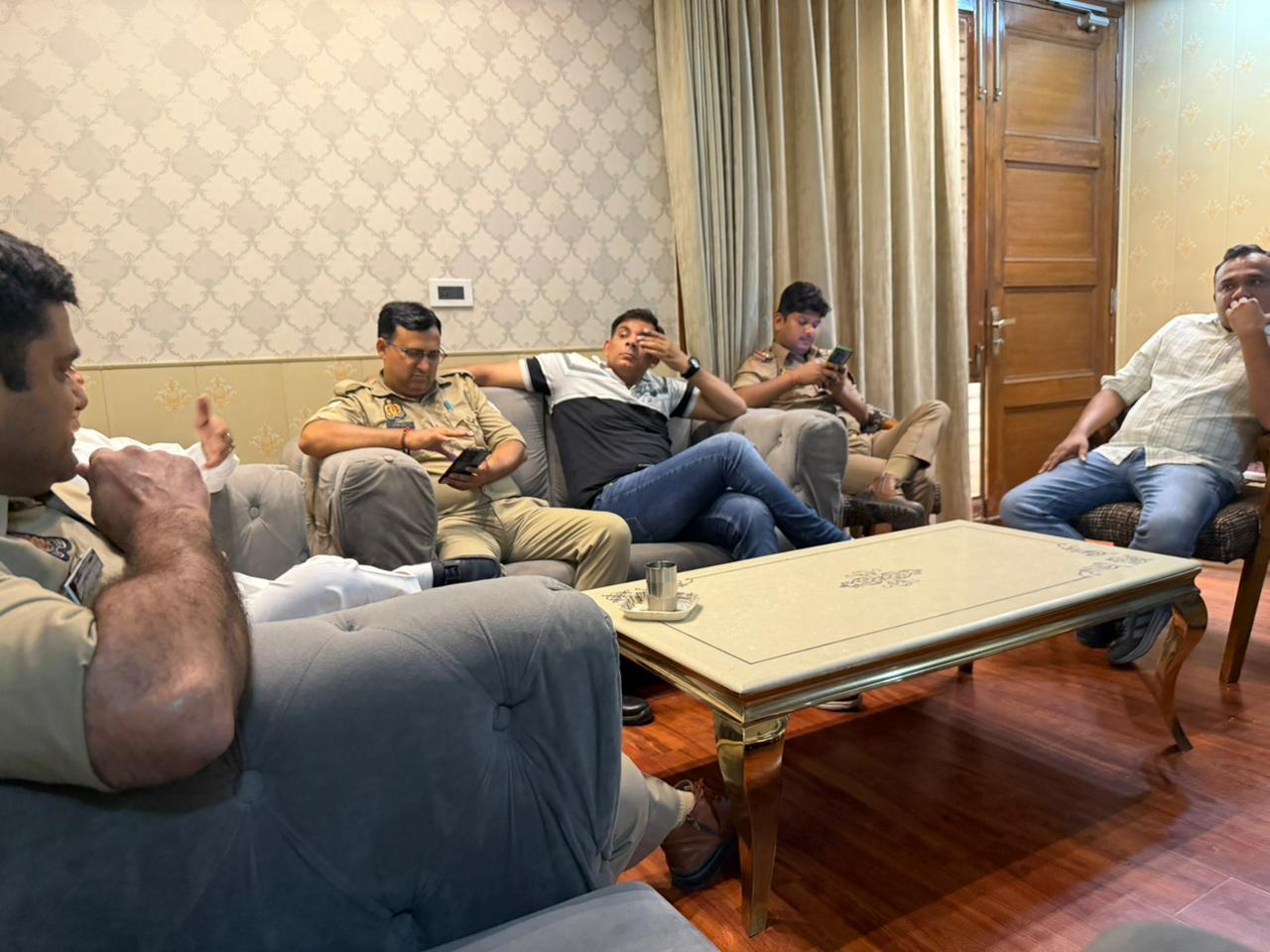
According to party sources, Awana had secured an appointment with the district magistrate to formally present workers’ grievances. However, before he could leave his residence, police officials allegedly confined him indoors, preventing him from attending the meeting. Party members have described the move as a preventive action aimed at limiting political engagement with the protest movement. Authorities have yet to provide a detailed public explanation regarding the decision, leaving questions about the timing and intent of the detention.
Political Backing Amplifies Workers’ Voice
Awana has been actively involved in supporting labourers protesting against multiple factory managements in Noida. The demonstrations, which have grown steadily over recent days, revolve around demands for fair wages, improved safety standards, and better workplace facilities. His participation brought increased attention to the movement, with the Aam Aadmi Party openly endorsing the workers’ demands. Party leaders argue that the detention has backfired, strengthening the resolve of the protesters rather than weakening it, as many now see the action as an attempt to suppress their concerns.
Multiple Leaders Restricted, Party Voices Dissent
In addition to Awana, several other party leaders were reportedly placed under house arrest. These include district president Parshuram, along with Dildar Ansari, Vivek Sharma, Jatan Bhati, and several workers associated with the party. The party has strongly criticized the administration, alleging that such measures undermine democratic rights and restrict peaceful political participation. Statements from party representatives indicate that support for the labour movement will continue, with a commitment to raising worker-related issues at multiple levels despite administrative restrictions.
Widening Labour Unrest in Industrial Hub
The developments come amid a broader wave of labour unrest across Gautam Buddh Nagar, a major industrial zone in Uttar Pradesh. Workers from several factories have been protesting against stagnant wages, rising living costs, and lack of adequate facilities within industrial units. In certain areas, the protests have escalated into tense situations, prompting authorities to increase police deployment to maintain order. The administration has been engaging with both workers and management representatives in an attempt to prevent further escalation and find a workable solution.
Implications for Governance and Political Dynamics
The detention of a political figure during an active labour movement highlights the growing intersection of governance, labour rights, and political mobilization. While authorities maintain that ensuring law and order remains a priority, opposition voices argue that such actions restrict democratic dialogue and weaken trust between stakeholders. The incident is expected to influence both the trajectory of the ongoing protests and the broader political discourse surrounding labour rights in the state. As the situation unfolds, attention remains focused on whether meaningful dialogue can be restored and whether the competing priorities of stability and representation can be balanced effectively.