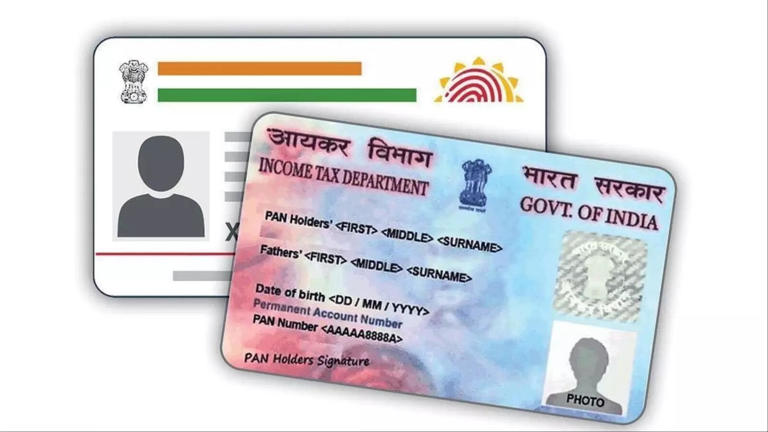
The deadline for linking Aadhaar with the permanent account number has arrived, bringing renewed urgency for millions of taxpayers across India to complete a mandatory compliance step that directly affects taxation, financial access, and legal validity of their pan.
aadhaar pan linking deadline and its immediate impact
The government-mandated requirement to link Aadhaar with the Permanent Account Number has been in force for several years, with multiple extensions granted to ease compliance. December 31, 2025, has now been confirmed as the final deadline for individuals required to complete the linking process. From January 1, 2026, any pan that remains unlinked with Aadhaar is liable to become inoperative, triggering a chain of consequences for taxpayers and financial account holders.
The linking requirement has been introduced to eliminate duplicate and fake pan cards, strengthen tax administration, and improve transparency across financial systems. By integrating Aadhaar, which serves as a biometric-based digital identity, with pan, the authorities aim to ensure that each taxpayer has a single, verifiable identity within the tax ecosystem. This move is also aligned with broader digitisation and compliance reforms undertaken by the government in recent years.
For individuals who have not completed the linking process by the deadline, the most immediate impact is the risk of pan becoming inoperative. An inoperative pan cannot be used for filing income tax returns, opening bank accounts, conducting high-value financial transactions, or availing services that legally require a valid pan. Taxpayers may also face higher rates of tax deduction at source, delayed refunds, and administrative complications when dealing with financial institutions.
The compliance process itself has been kept largely digital to simplify access. Taxpayers are required to submit their pan and Aadhaar details through the official e-filing portal managed by the Income Tax Department, followed by verification through an otp sent to the mobile number linked with Aadhaar. While the process is straightforward for many, technical issues, mismatched details, and lack of awareness have contributed to delays for a significant section of users.
Certain categories of individuals are exempt from the mandatory linking requirement. These include non-resident Indians, individuals above the age of 80, and residents of specific notified regions. However, for the vast majority of resident pan holders, linking Aadhaar is compulsory, and failure to do so by the deadline carries legal and financial consequences.
penalties, compliance process, and consequences of non-linking
One of the key concerns surrounding the Aadhaar pan linking deadline is the penalty associated with delayed compliance. Individuals who fail to link their pan with Aadhaar by the stipulated date may be required to pay a penalty of up to one thousand rupees before the linking can be completed. This penalty has been imposed to encourage timely compliance and discourage repeated extensions of deadlines.
Once a pan becomes inoperative, it does not cease to exist permanently, but it remains unusable until the Aadhaar linkage is completed and the applicable penalty is paid. During this period, taxpayers may find themselves unable to file returns, respond to tax notices, or complete financial transactions that require pan authentication. For salaried individuals and small business owners, this can create significant disruption, particularly during tax filing season.
Banks and financial institutions are also bound by regulatory requirements to ensure that pan details are valid and operative. An inoperative pan may lead to restrictions on opening new accounts, investing in mutual funds, purchasing financial instruments, or completing know-your-customer processes. In some cases, ongoing transactions may be flagged for additional verification, adding to compliance burdens for both customers and institutions.
The government has emphasised that linking Aadhaar with pan enhances data accuracy and reduces fraud. By matching biometric-backed Aadhaar data with pan records, authorities can better track income streams, identify discrepancies, and improve tax collection efficiency. This integration is also expected to support broader initiatives such as faceless assessments and digital tax administration, which rely heavily on accurate and unified taxpayer data.
Despite these objectives, the policy has faced criticism from some quarters over concerns related to privacy, data security, and accessibility for individuals with limited digital literacy. In response, authorities have maintained that adequate safeguards are in place and that multiple extensions have been granted over the years to ensure that no genuine taxpayer is left out due to lack of opportunity.
As the final deadline passes, attention is likely to shift toward enforcement and reactivation procedures. Taxpayers with inoperative pans will need to complete the linking process and pay the prescribed penalty to restore validity. The income tax department has indicated that reactivation is possible, but the inconvenience and potential financial impact of delayed compliance underline the importance of meeting the deadline.
The Aadhaar pan linkage requirement represents a significant step in India’s evolving tax and digital governance framework. By enforcing a unified identity system, the government aims to strengthen compliance, reduce misuse, and create a more transparent financial environment. For taxpayers, the deadline serves as a reminder that digital compliance is no longer optional but an integral part of participating in the formal economy.