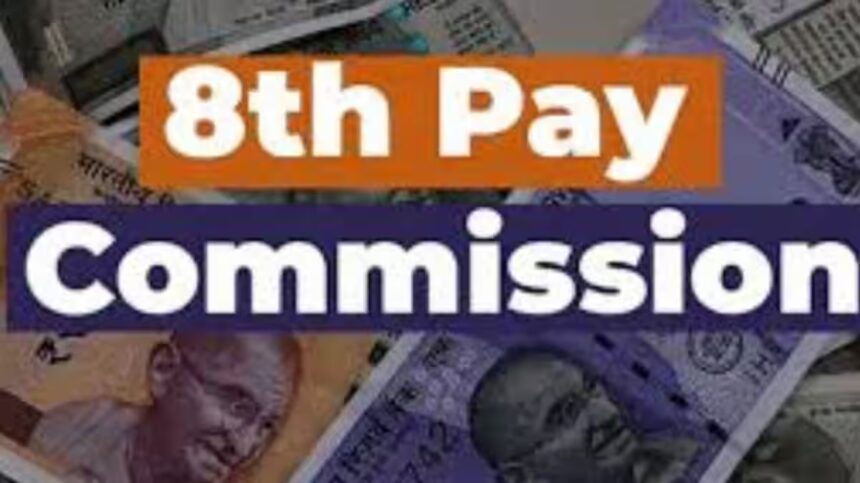
The 8th Central Pay Commission has scheduled a series of important meetings with unions and associations of central government employees between April 28 and April 30, 2026, in Delhi. These consultations are a crucial step in the process of revising salaries, pensions, and allowances for millions of government employees and retirees across the country.
The Commission stated that it has received a large number of requests from various unions and associations seeking interaction during these dates. In response, it is attempting to accommodate as many stakeholders as possible within the limited time frame. However, due to the compressed schedule, not all requests may be accepted during this phase.
This round of meetings is expected to play a significant role in shaping the recommendations of the Pay Commission. Inputs gathered from these discussions will help determine key aspects such as salary structures, fitment factors, allowances, and pension reforms.
The 8th Pay Commission was constituted last year under the leadership of Prime Minister Narendra Modi, continuing the tradition of reviewing government pay structures approximately every ten years. Since its formation, there has been widespread interest and speculation regarding potential salary hikes, arrears, and changes to pension systems.
The Commission had issued its Terms of Reference in November last year, outlining the scope of its work. These include reviewing existing pay scales, assessing economic conditions, and considering the financial implications of any proposed changes.
The current round of consultations focuses on gathering feedback from employee representatives. Unions and associations are expected to present their demands and suggestions regarding salary increases, improved allowances, and enhanced pension benefits.
The Commission has also indicated that this is only the beginning of a broader consultation process. Additional meetings will be held in Delhi as well as in other states and union territories in the coming months. Updates regarding future interactions will be shared through the Commission’s official channels.
Stakeholders outside the Delhi NCR region will have the opportunity to interact with the Commission in their respective states or nearby locations. This approach aims to ensure wider participation and representation from across the country.
The Pay Commission plays a critical role in shaping the financial well-being of central government employees and pensioners. Its recommendations not only affect salaries but also influence retirement benefits, allowances, and overall government expenditure.
The current panel is the eighth such commission formed since India’s independence. Each Pay Commission has historically brought significant changes to pay structures, reflecting economic conditions and policy priorities of the time.
The 8th Pay Commission is chaired by former Supreme Court judge Ranjana Prakash Desai. Other members include Professor Pulak Ghosh and Pankaj Jain, who bring expertise in finance and administration to the panel.
The decision-making process of the Commission involves extensive consultation and analysis. Inputs from unions, ministries, pension bodies, and other stakeholders are carefully evaluated before final recommendations are made.
These recommendations are expected to address key concerns of employees, including fair compensation, cost of living adjustments, and improved retirement security. The fitment factor, which determines the multiplication of basic pay, is likely to be one of the most closely watched aspects.
Employee organizations have already begun voicing their expectations, with some demanding significant increases in basic pay and allowances. These demands reflect rising living costs and the need for better financial stability.
The Commission has also opened channels for formal memorandum submissions, allowing stakeholders to present detailed proposals. This ensures that a wide range of perspectives is considered during the decision-making process.
Economic factors such as inflation, fiscal constraints, and overall government expenditure will also play a crucial role in shaping the final recommendations. Balancing employee expectations with financial sustainability remains a key challenge for the Commission.
The outcome of the 8th Pay Commission is expected to have far-reaching implications. Any changes in salary and pension structures will impact millions of families and influence consumption patterns in the economy.
In addition, revisions in pay scales often lead to adjustments in state government salaries, further amplifying the economic impact. The recommendations can also affect sectors such as housing, retail, and services due to changes in disposable income.
The ongoing meetings in Delhi mark an important milestone in this process. They provide a platform for direct interaction between policymakers and employee representatives, ensuring that concerns and suggestions are heard.
As the consultations progress, attention will remain focused on the potential outcomes and timelines for implementation. While the final recommendations may take time, the current discussions are a crucial step toward shaping the future of government compensation in India.
In conclusion, the 8th Pay Commission’s meetings with unions and associations in Delhi represent a significant development in the ongoing review of pay structures. With wide-ranging implications for employees, pensioners, and the economy, these consultations are expected to play a key role in determining the next phase of government salary reforms.