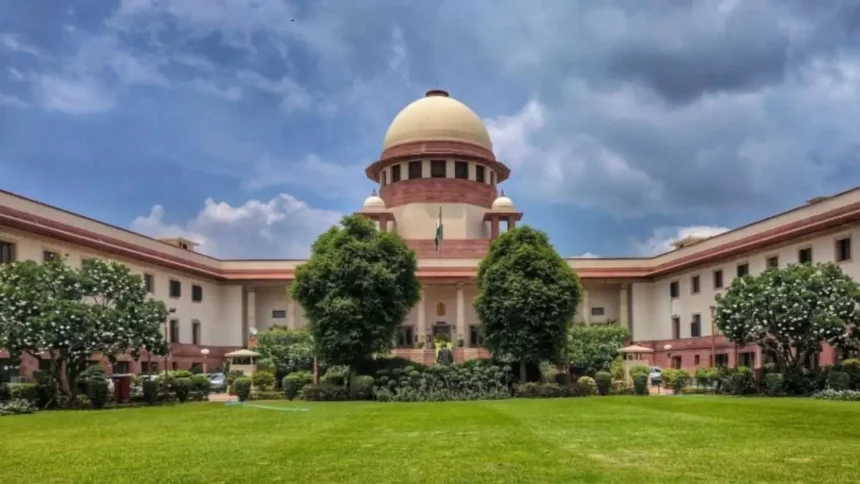
The long running legal battle over the recruitment of 69,000 assistant teachers in Uttar Pradesh has reached a crucial stage as the Supreme Court has reserved its judgment after completing hearings in the matter. The case holds significant importance for thousands of candidates including Shiksha Mitras whose future depends on the outcome of the verdict. A bench led by Justice UU Lalit heard a batch of petitions including the lead plea filed by the Uttar Pradesh Prathmik Shiksha Mitra Association challenging the Allahabad High Court order. The decision is expected to have wide implications for teacher recruitment policies in the state.
Background of the recruitment dispute
The recruitment drive for 69,000 assistant teachers was initiated to strengthen the primary education system in Uttar Pradesh. However several disputes emerged during the process particularly related to cut off marks reservation policies and the selection criteria. Shiksha Mitras argued that their years of teaching experience should be given due weightage while the state maintained that recruitment must be based strictly on merit to ensure quality education. The Allahabad High Court had earlier passed a significant ruling which was subsequently challenged in the Supreme Court.
Arguments presented before the Supreme Court
During the hearing both sides presented detailed arguments. Petitioners emphasized the contribution of Shiksha Mitras in rural education and argued that their experience should be recognized in the recruitment process. On the other hand the state government and opposing parties argued that merit based selection is essential to maintain educational standards. After considering all submissions the Supreme Court decided to reserve its judgment leaving all stakeholders awaiting the final decision.
Role and demands of Shiksha Mitras
Shiksha Mitras have been working in primary schools across Uttar Pradesh for years often on contractual terms. They have played a crucial role in improving access to education particularly in rural areas. Their primary demand has been either regularisation of their services or additional weightage in recruitment exams. They argue that their practical teaching experience makes them more suitable candidates compared to fresh applicants.
Impact on candidates and recruitment process
The outcome of this case will directly affect thousands of aspirants who have been waiting for clarity on the recruitment process. If the court rules in favour of Shiksha Mitras it could lead to significant changes in the selection criteria. Conversely if merit based selection is upheld it may strengthen the current recruitment framework and benefit candidates who have performed well in examinations.
Broader implications for education system
The Supreme Court’s decision is expected to set an important precedent for future recruitment policies not only in Uttar Pradesh but also in other states. It could influence how experience and merit are balanced in public sector hiring particularly in education. The verdict will therefore have long term implications for the quality and structure of primary education in the state.
Awaiting the final verdict
With the judgment now reserved all eyes are on the Supreme Court’s final decision which will determine the future of the 69,000 assistant teachers recruitment process. The verdict is expected to bring clarity to a prolonged dispute and provide direction for both candidates and policymakers moving forward.