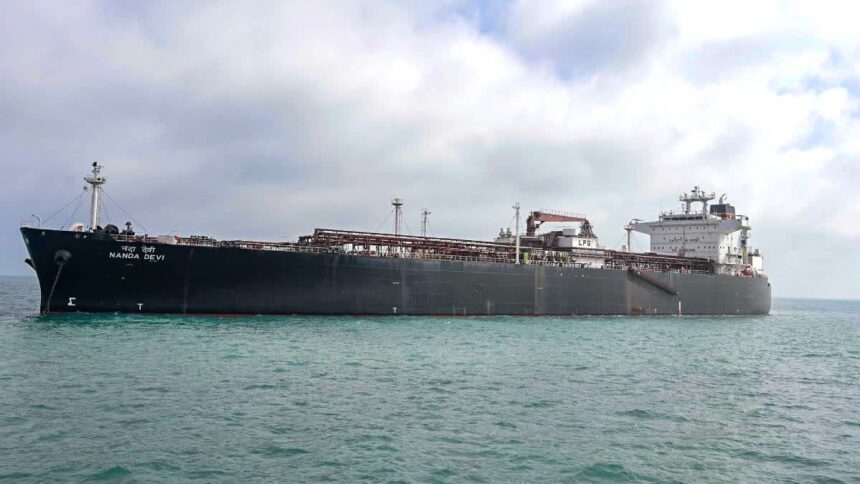
A major maritime crisis has emerged in the Persian Gulf as escalating tensions linked to the ongoing conflict involving Iran, the United States and Israel have halted shipping movement in the region. Reports indicate that nearly 20,000 sailors from different countries are currently stranded at sea, including approximately 2,000 Indian seafarers. The situation has become increasingly tense after Iran reportedly began targeting or threatening ships believed to have links with the United States or Israel. Due to the growing security risk, shipping companies and authorities have suspended vessel movement through key maritime routes in the Gulf. As a result hundreds of ships remain stuck in the region while thousands of sailors continue working under extreme uncertainty and fear. For many crew members the crisis has created a stressful environment where even routine movements of vessels are considered risky.
Hundreds of vessels stuck as maritime routes shut down
One of the sailors affected by the crisis is Captain Raman Kapoor from Kullu district in Himachal Pradesh. In a video message shared online he described the situation in the Persian Gulf as extremely dangerous and uncertain. According to Kapoor between 500 and 700 ships are currently stranded in the region because they are not being allowed to move forward through major shipping routes. Shipping companies have reportedly halted operations to avoid the risk of attacks on commercial vessels. Kapoor explained that ships suspected of having connections with the United States or Israel could become potential targets which has forced many vessels to remain stationary. The prolonged uncertainty has placed significant psychological pressure on sailors who continue to monitor developments in the conflict while staying in constant contact with their families back home.
Indian captain describes life at sea as “living in fear”
In his video message Captain Kapoor explained that his vessel had recently loaded cargo from Iraq before becoming stranded in the Gulf. According to him the crew cannot move forward because of security restrictions but returning is also risky due to the ongoing conflict. The crew therefore remains on high alert while waiting for instructions from authorities and shipping companies. Kapoor also noted that both sea and air routes in the region have been affected making evacuation or relocation extremely difficult. He described the situation as one where sailors feel trapped between uncertainty and danger with the constant possibility of military action creating psychological stress.
Iran reportedly restricting movement of oil tankers
According to sailors in the region Iran is closely monitoring the movement of oil tankers passing through the Persian Gulf. Captain Kapoor said Iranian authorities appear to be discouraging or preventing oil tankers from leaving the Gulf to deliver supplies to countries linked with the United States or Israel. However vessels transporting oil to countries such as India and China are believed to face fewer restrictions. The Persian Gulf is one of the most important energy transport corridors in the world and disruptions in shipping traffic can have major consequences for global oil markets. With hundreds of vessels currently unable to move concerns about energy security and international shipping safety have increased significantly.
Sailors appeal to Indian government for assistance
Captain Kapoor has appealed to the Government of India to take urgent steps to ensure the safety of Indian sailors stranded in the Persian Gulf. In his message he asked people across the country to pray for the safety of thousands of seafarers currently stuck in the conflict zone. He said that crew members are supporting each other during the crisis but the uncertainty remains extremely stressful. Many sailors are hoping that diplomatic negotiations or international security arrangements will soon allow safe passage for ships currently trapped in the region.
Conflict enters third week with no sign of de escalation
The maritime crisis is closely linked to the ongoing conflict between Iran Israel and the United States which reportedly began in late February. The confrontation has now entered its third week with no clear signs of de escalation. The war has already disrupted global shipping aviation routes and energy markets. Analysts warn that prolonged disruptions in the Persian Gulf could lead to rising oil prices and supply shortages worldwide. For the thousands of sailors stranded at sea however the most immediate concern remains their safety and the hope that the conflict will end soon so they can return home safely.