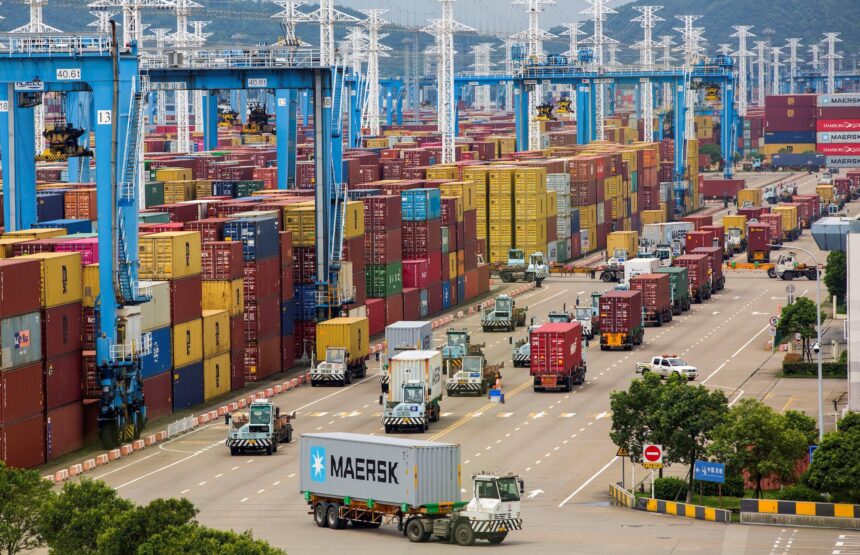
In a stark warning to the global economy, the World Bank has significantly lowered its growth forecast for 2025, blaming escalating trade tensions and international policy uncertainty. The institution now expects the world economy to grow by just 2.3%, down from its earlier estimate of 2.7%, marking one of the weakest performances since the 2008 financial crisis — excluding full-fledged global recessions.
Trade Uncertainty Disrupts Global Outlook
According to the World Bank’s latest Global Economic Prospects report, trade disputes and breakdowns in international cooperation are undermining the stability that previously fueled decades of economic expansion. Indermit Gill, the Bank’s chief economist, emphasized that post-World War II gains in poverty reduction and prosperity are now being challenged by geopolitical discord, particularly around trade.
The report noted that the current environment of tariff wars and fractured agreements has created conditions of prolonged uncertainty, which are hampering investment and growth. The Bank warned that further escalation in trade tensions could drag the global economy down even more.
Sharp Downgrades for Major Economies
The World Bank slashed its forecast for U.S. economic growth by 0.9 percentage points, bringing it down to 1.4%. The euro area didn’t fare much better, with a downward revision of 0.3 percentage points, reducing its expected growth to just 0.7%.
However, the Bank also noted a potential upside if trade disputes are resolved constructively. If tariffs were cut in half from their May 2025 levels as part of comprehensive trade agreements, global growth could improve by approximately 0.2 percentage points across 2025 and 2026.
Meanwhile, negotiations between major trading blocs continue. The U.S. and China resumed talks in London this week after agreeing to temporarily ease tariffs in May. Simultaneously, discussions between the U.S. and the European Union are underway, with a looming deadline for previously announced tariffs to be enforced.
The World Bank’s downgrade aligns with warnings from other economic institutions. The OECD, for instance, recently adjusted its 2025 global growth forecast from 3.1% to 2.9%, also citing the toll taken by trade disruptions. Both organizations highlighted the fragile nature of the current global economic landscape and the crucial role of policy decisions in the months ahead.