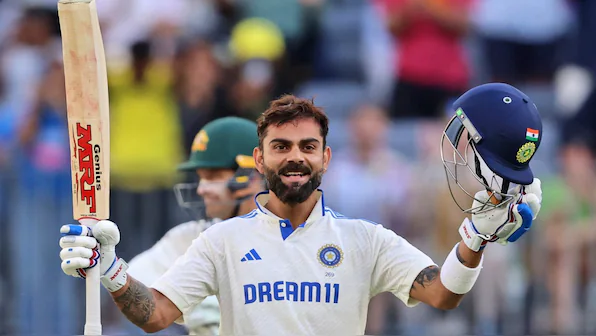
The cricketing world continues to reel in shock and speculation following Virat Kohli’s unexpected retirement from Test cricket, leaving fans, analysts, and former players puzzled over the true reasons behind the decision. Virat Kohli, widely regarded as one of India’s greatest batsmen in the longest format, announced his retirement at a time when he seemed fit, motivated, and prepared to continue contributing to the national team. Former cricketer Manoj Tiwary suggested that there might be hidden dynamics influencing Virat Kohli’s abrupt decision, hinting at internal factors within Team India that could have contributed to his move. Despite a glittering career spanning more than 14 years and 123 Test matches, Virat Kohli’s retirement has left a void in Indian cricket and has sparked intense debate about the timing, motivation, and circumstances of his departure. This revelation also raises questions about the broader atmosphere within Indian cricket, the pressures faced by elite athletes, and the personal choices that can impact even the most celebrated careers.
Virat Kohli’s Red-Ball Career and Abrupt Retirement
Virat Kohli’s Test career, marked by immense skill, determination, and records, has been a cornerstone of Indian cricket for over a decade. Over 123 matches, he amassed 9,230 runs at an average of 46.85, including 30 centuries and seven double hundreds, firmly establishing his legacy among India’s cricketing greats. His batting in the red-ball format has consistently inspired teammates, enthralled fans, and positioned him as a dominant figure in the international arena. Virat Kohli’s 2024-25 Australia tour, while beginning on a high note with a century in the first Test, ended on a comparatively subdued note, leading him to re-evaluate his role in Test cricket. After a 12-year stint at the international level, he returned to domestic cricket, playing a Ranji Trophy match for Delhi against Railways at Arun Jaitley Stadium, where fans flocked to witness his performance. Despite the overwhelming support, Virat Kohli struggled with the bat, scoring only six runs from fifteen balls, a rare display of vulnerability that may have influenced his mindset regarding future participation in Test cricket.
The decision to shift focus toward the Champions Trophy and the Indian Premier League (IPL) marked a significant pivot in Virat Kohli’s career, prioritizing formats that offered both excitement and financial incentives. It was during this period of recalibration that the news of his retirement from Tests emerged, sending shockwaves across the cricketing fraternity. Manoj Tiwary, reflecting on Virat Kohli’s potential, emphasized that the former captain still had three to four years of red-ball cricket left in him, making the decision all the more surprising. Former players, fans, and analysts alike struggled to reconcile the timing of the retirement with Virat Kohli’s fitness, experience, and evident passion for the game. The cricketing community speculated on various possibilities, ranging from personal considerations to underlying issues within the team environment, all while respecting Virat Kohli’s decision to remain private about his motivations.
Behind the Scenes Speculation and Manoj Tiwary’s Insights
Manoj Tiwary’s commentary provides a rare glimpse into what may have influenced Virat Kohli’s choice to step away from Test cricket. While he refrained from revealing the complete story, Manoj Tiwary suggested that Virat Kohli may have felt unwanted or unappreciated within Team India, a sentiment that could have contributed to his abrupt exit. “I don’t know what happened. What is the story behind the scenes? I think he was not feeling like he was wanted in Team India. Only he can say,” Manoj Tiwary remarked, highlighting the possibility of complex interpersonal or systemic issues that are not publicly visible. According to Manoj Tiwary, Virat Kohli has evolved as a human being, becoming more spiritual and focused on the present, which may explain his reluctance to discuss past challenges or conflicts openly. This spiritual evolution, Manoj Tiwary noted, allows Virat Kohli to prioritize personal growth and peace of mind over external validation or public explanations.
Manoj Tiwary also underscored that players familiar with the internal dynamics of Indian cricket sensed something unusual about the environment in which Virat Kohli was operating. He indicated that the atmosphere within the team may have been a contributing factor, with Virat Kohli opting to bid farewell to a format he cherished due to discomfort or dissatisfaction. Despite the uncertainty surrounding the specifics, Manoj Tiwary emphasized the importance of respecting Virat Kohli’s privacy, acknowledging that the former captain’s decision was ultimately a personal one shaped by his experiences, perceptions, and evolving priorities.
In addition to personal factors, Virat Kohli’s retirement has sparked wider discussions about player welfare, team dynamics, and management strategies within Indian cricket. Analysts have noted that the pressures faced by elite athletes, including the constant scrutiny, expectation management, and balancing of multiple formats, can create challenging environments that influence career decisions. Virat Kohli’s choice to step away from Tests may reflect a broader trend in modern cricket, where players increasingly prioritize mental health, workload management, and personal fulfillment alongside professional achievements. Manoj Tiwary’s insights also point to the need for supportive structures within the team environment, ensuring that even the most accomplished players feel valued, motivated, and comfortable in expressing concerns or making difficult decisions about their careers.
As the cricketing world processes the impact of Virat Kohli’s retirement, speculation continues regarding the factors that led to his departure. While performance metrics, fitness, and age provide some context, Manoj Tiwary’s observations emphasize that unseen interpersonal, emotional, or spiritual elements may have played a significant role. Virat Kohli’s experience highlights the multifaceted nature of athlete decision-making, where professional considerations intersect with personal satisfaction, team culture, and broader life philosophies. By stepping away from the format quietly and focusing on other pursuits, Virat Kohli demonstrates a willingness to prioritize self-care, adaptability, and engagement with formats that align with his current aspirations.
Virat Kohli’s retirement also invites reflection on his legacy in Test cricket and the transformative influence he has had on Indian cricket culture. Beyond statistics and records, his leadership, intensity, and approach to the game have inspired younger players, reshaped team attitudes, and elevated the standards of professional cricket in India. The abrupt nature of his exit adds an element of intrigue and ongoing discussion, reminding fans and analysts alike that the human aspects of sport—emotions, relationships, and personal evolution—often underpin the most consequential decisions.
Through Manoj Tiwary’s commentary, the cricketing community gains perspective on how elite players navigate the intersection of public expectations, internal team dynamics, and personal growth. Virat Kohli’s choice to retire from Tests, while leaving many questions unanswered, reinforces the notion that career decisions in professional sports extend beyond performance metrics, encompassing human experience, values, and emotional wellbeing. This episode also underscores the need for open dialogue about mental health, supportive team structures, and recognition of individual contributions within high-pressure environments.
Ultimately, Virat Kohli’s retirement from Test cricket represents not just the conclusion of a remarkable chapter in Indian cricket but also an illustration of the complex interplay of factors—personal, professional, and spiritual—that shape elite athletes’ careers. While fans may never know the full story behind the scenes, Manoj Tiwary’s insights highlight that even legendary figures face challenges, negotiate internal conflicts, and make choices that prioritize holistic wellbeing over traditional metrics of success. The cricketing fraternity, while mourning the loss of a legendary Test player, continues to celebrate Virat Kohli’s contributions, influence, and enduring impact on Indian cricket.