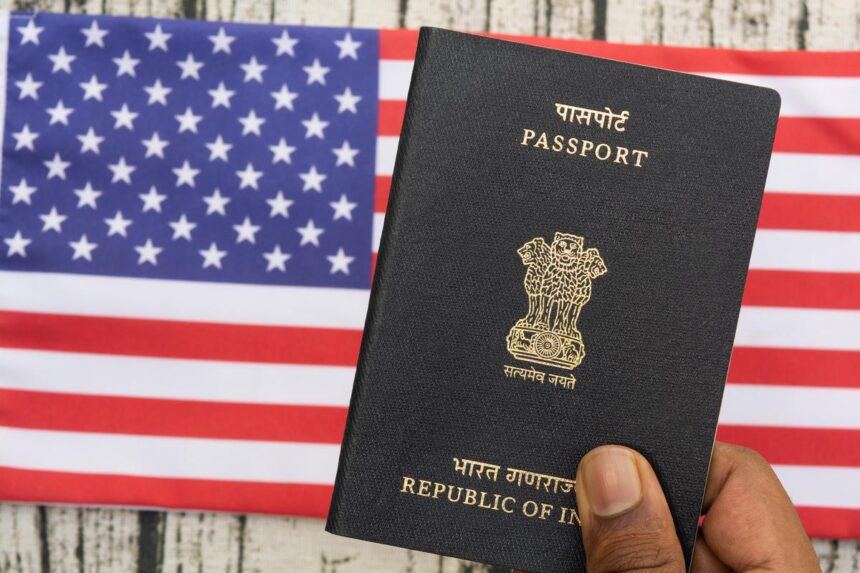
As the United States implements stricter visa screening procedures for international students, India has urged that applications from its students be assessed fairly and on merit. With over 330,000 Indian students currently studying in the US—forming the largest international student group—the implications of policy shifts are substantial, both in human terms and economic impact. New Delhi’s concerns come at a time when the US has temporarily suspended new interview appointments for student visas, sparking apprehensions about delays and increased scrutiny just months before a new academic session begins.
India’s Ministry of External Affairs (MEA) responded diplomatically but firmly, highlighting that while the US retains sovereign control over its visa policy, merit-based processing should not be compromised. MEA spokesperson Randhir Jaiswal reaffirmed India’s expectation that students’ applications will be evaluated fairly so that they can join academic programmes on time. This comes amid reports that the US government is expanding background checks to include applicants’ social media histories dating back to 2019, prompting a temporary pause in issuing appointments for F, J, and M visa categories.
Rising Deportations and Stricter Oversight
Adding to the concern is a rise in deportations: over 1,000 Indian nationals have reportedly been deported from the US in 2024 so far. The US Embassy in India has also issued warnings to students about visa violations, including missing classes or dropping out without notifying their institutions—actions that could lead to visa revocation. These measures coincide with broader immigration enforcement under the current US administration, echoing previous crackdowns seen during the Trump era. Secretary of State Marco Rubio has also tied visa enforcement to national security, especially in light of rising campus activism and geopolitical debates.
Economic and Strategic Importance of Indian Students
Beyond academia, the presence of Indian students has significant economic implications. According to estimates by the Global Trade Research Initiative (GTRI), Indian students contribute over $25 billion annually to the US economy—$15 billion in tuition fees and $10 billion in living expenses. These students often attend top-tier universities where average annual costs range between $87,000 and $142,000. Their presence supports American research, innovation, and global influence.
India’s outsized contribution is further reflected in student visa trends: even in 2024, with a slowdown in appointments, India received more student visas than any other country, including China. The Indian-American community also continues to play a disproportionate role in US society, contributing heavily in sectors such as healthcare, technology, and academia, while also donating