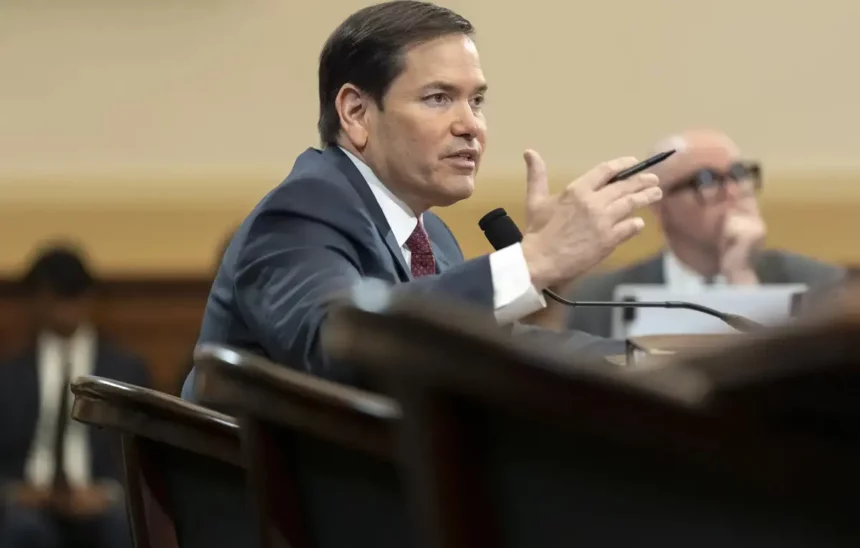
The US government has paused scheduling interviews for student visas worldwide as part of a broader effort to introduce stricter social media screening for visa applicants. This move, ordered by Secretary of State Marco Rubio, reflects growing concerns over national security and the role of foreign students in American universities. The decision has sparked worries about the potential impact on hundreds of thousands of international students and US educational institutions that depend on them.
Secretary of State Marco Rubio sent a directive to American embassies instructing them not to schedule any new interviews for student and exchange visitor visas (F, M, and J categories) until further notice. This pause is a precursor to implementing more rigorous background checks focusing on applicants’ online profiles and social media activities. The directive comes amid heightened scrutiny of foreign students, especially following concerns about antisemitism and political activism on some US campuses.
The move has escalated tensions between the White House and higher education institutions. Initially, the debate centered on elite universities like Harvard and Columbia, where allegations of antisemitism had surfaced. However, it has since grown into a broader campaign questioning the overall presence and influence of international students in American higher education. Cleveland immigration attorney David Leopold warned that this policy shift could be “cataclysmic” for both international students and the universities that rely heavily on their tuition and contributions. International students currently make up nearly 6% of the US higher education population, and many pursue STEM fields such as engineering, math, and computer science.
Impact on Universities and Students
International students bring substantial economic benefits, often paying full tuition, which supports broader university funding and financial aid for domestic students. Universities like New York University, Northeastern University, and Columbia University have some of the largest populations of foreign students. The temporary halt on visa interviews could disrupt enrollment and strain university resources.
Marco Rubio emphasized that the visa process already involves detailed vetting, including checks on academic credentials, financial status, and ties to home countries. The new social media screening aims to expand this scrutiny to ensure applicants are not involved in activities threatening US security. Marco Rubio indicated that the guidance for this expanded vetting would be released soon, and interviews already scheduled would continue.
This development follows recent high-profile cases, such as the arrest of Tufts University doctoral student Rümeysa Öztürk, who supported Palestinian causes and faced possible deportation. Officials have stressed the importance of ensuring that foreign students who engage in disruptive or unlawful activities will not receive visas, signaling a shift toward more selective admission policies based on behavior and security concerns.
The broader context includes attempts to block or limit international student enrollment at institutions like Harvard, with ongoing legal battles anticipated. The Trump administration appears set to continue using legal and administrative measures to enforce stricter controls over foreign students, signaling a significant change in US immigration and education policy.