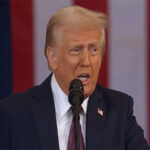
The administration of U.S. President Donald Trump has taken a significant step in its foreign policy by freezing nearly all new funding for international aid programs. This decision, announced by the U.S. State Department on Friday, includes exceptions for two key allies—Israel and Egypt—along with emergency food assistance programs. However, the freeze notably excludes health-related programs, which have long been a cornerstone of humanitarian efforts, leaving them vulnerable to significant reductions in funding.
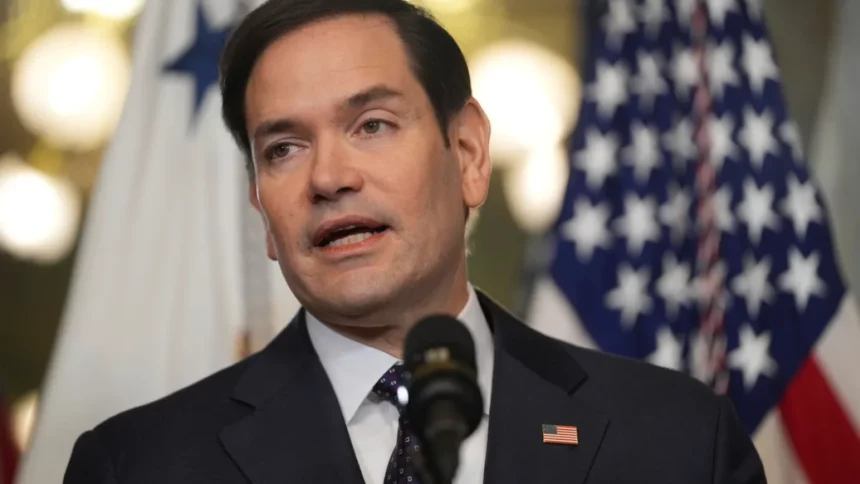
The announcement was accompanied by a directive from newly confirmed Secretary of State, Marco Rubio, who instructed senior officials to ensure that no new obligations for foreign assistance would be made, to the maximum extent permissible under the law. This directive has caused concern among humanitarian organizations and experts who fear that the suspension could have dire consequences for global stability and the well-being of vulnerable communities around the world.
Oxfam America’s president, Abby Maxman, expressed alarm over the move, stating, “By suspending foreign development assistance, the Donald Trump administration is threatening the lives and futures of communities in crisis, and abandoning the United States’ long-held bipartisan approach to foreign assistance which supports people based on need, regardless of politics.” Her comments reflect the deep concerns that the freeze could undermine decades of progress in international aid and humanitarian assistance.
One of the most critical programs affected by the freeze is the President’s Emergency Plan for AIDS Relief (PEPFAR), which was launched in 2003 under the administration of President George W. Bush. PEPFAR, a program that has saved millions of lives worldwide by providing life-saving treatments for HIV/AIDS, has enjoyed widespread bipartisan support for over two decades. However, the program faced a setback in 2023 when Congress missed a deadline to renew its funding. While its funding was extended for one year through March 2025, this extension is set to expire soon, leaving the future of the program in limbo.
Experts estimate that PEPFAR has helped save as many as 25 million lives since its inception, making the potential freeze of its funding a critical issue for the global health community. The suspension of such health programs has sparked outrage among international aid groups, with many fearing that it could lead to unnecessary deaths and increased suffering, particularly in regions heavily impacted by disease and poverty.
In stark contrast to these cuts, foreign aid to Israel and Egypt, two of the largest recipients of U.S. military assistance, remains unaffected. Both countries have faced growing criticism over their human rights records, and calls have intensified for the U.S. to use its financial leverage to encourage reform. Despite this, the new policy memo made specific exemptions for military financing for both nations, along with the administrative expenses necessary to manage the foreign military financing programs.
The policy change raises questions about the U.S. government’s priorities, as Israel and Egypt continue to receive substantial military aid, while vital humanitarian programs are placed on hold. Additionally, there was no mention of an exemption for Ukraine, a country that has relied heavily on U.S. weapons assistance to defend itself against Russia’s ongoing invasion, which began in February 2022. The exclusion of Ukraine from these exceptions suggests that U.S. support for its defense efforts may be limited in the future.
The freeze in foreign aid funding is expected to have a significant impact on ongoing aid projects around the world. In the wake of the memo, several aid projects have already received work-stop orders, leading to widespread disruption in critical humanitarian initiatives. Former U.S. Agency for International Development (USAID) official Jeremy Konyndyk expressed his outrage, calling the decision “lunacy.” Speaking to Reuters, Konyndyk warned that the freeze could result in unnecessary deaths, saying, “This will kill people. I mean, if implemented as written in that cable … a lot of people will die.”
The suspension of foreign aid funding represents a stark shift in U.S. foreign policy under President Donald Trump, and it underscores the growing divisions within the U.S. government regarding the future direction of international aid and humanitarian efforts. As global challenges such as climate change, poverty, and armed conflict continue to escalate, the freeze raises concerns about the ability of the U.S. to maintain its leadership role in addressing these issues and supporting those most in need.