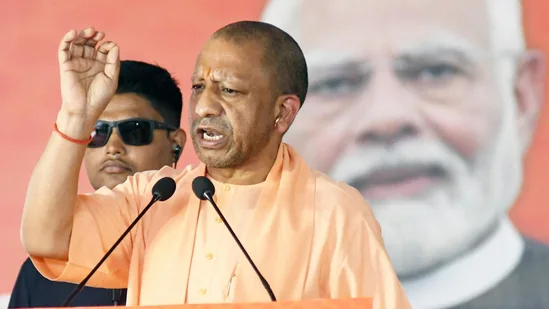
Uttar Pradesh Chief Minister Yogi Adityanath announced a significant increase in dearness allowance (DA) and dearness relief (DR) for state government employees and pensioners just ahead of Diwali, aiming to enhance their financial security and overall standard of living. The government has decided to increase DA from 55% to 58%, effective retrospectively from July 1, 2025. This hike will not only bring immediate financial relief to nearly 28 lakh employees and pensioners but will also have a wider economic impact as it injects additional funds into households during the festive season. The decision, according to government officials, reflects the state’s commitment to rewarding the dedication and service of its workforce, ensuring both monetary support and morale boost during the important festival period.
Financial Implications and Implementation Details
The increase in DA and DR entails a substantial fiscal burden for the state government, estimated at ₹1,960 crore until March 2026. Of this total expenditure, approximately ₹795 crore will be disbursed as extra cash in November 2025, coinciding with the festival of Diwali. An additional ₹185 crore will be credited directly to the General Provident Fund (GPF) accounts of employees covered under the Old Pension Scheme, ensuring long-term benefits alongside immediate monetary relief. Furthermore, arrears for the period from July to September 2025 will amount to over ₹550 crore, representing a retrospective adjustment to ensure employees and pensioners receive the enhanced benefits for the entire period since the effective date. Beginning December 2025, the state government will continue to bear an average monthly expenditure of ₹245 crore to sustain the revised DA and DR, ensuring that the increase is consistently reflected in salaries and pensions going forward.
Officials emphasized that all eligible employees and pensioners would receive their revised allowances promptly, highlighting the government’s priority to ensure that financial benefits reach beneficiaries in time for the festive season. The announcement coincides with similar steps taken by other states, such as Odisha, which also declared a 3% increase in DA and DR for state government employees and pensioners, effective from July 1, 2025. Approximately 8.5 lakh employees and pensioners in Odisha are expected to benefit from this increase, reflecting a broader trend among Indian states to provide financial relief to their public service workforce during important festivals.
Socioeconomic Significance and Broader Impact
The DA and DR hike in Uttar Pradesh carries significant socioeconomic implications beyond individual monetary benefits. By increasing disposable income for nearly 28 lakh employees and pensioners, the government anticipates a positive multiplier effect in local economies, especially as households spend on essential goods, services, and festive purchases during Diwali. The decision serves as a confidence booster for government employees, affirming that their contributions are recognized and valued by the state. The morale and satisfaction derived from timely financial support are likely to enhance workforce productivity, engagement, and loyalty, further benefiting public service delivery.
The decision also underscores the strategic timing of policy announcements, aligning financial benefits with major festivals to maximize social and emotional impact. Diwali, being a period of cultural and familial significance, provides an ideal opportunity for the government to communicate its commitment to welfare and citizen-centric policies. Through this initiative, the Uttar Pradesh government not only addresses economic concerns but also strengthens its public image by demonstrating responsiveness and attentiveness to the needs of its workforce.
Financial analysts note that while the fiscal implications are significant, the move reflects a broader understanding of public sector welfare and economic stimulus. The cash outflow associated with arrears and revised allowances is expected to support consumer spending and bolster demand in local markets, particularly in sectors related to retail, services, and festive commodities. Simultaneously, the government’s commitment to timely disbursal ensures that employees and pensioners receive maximum benefit without delays, reinforcing trust in administrative efficiency and governance.
By providing clarity on arrears, GPF contributions, and monthly disbursements, the government has sought to ensure transparency and mitigate uncertainties among beneficiaries. The approach also signals long-term planning, as sustaining the increased allowances over several months ensures that employees and pensioners can plan their finances effectively, leading to greater economic stability for households dependent on government salaries and pensions.
The announcement is part of a broader pattern of state governments increasingly prioritizing employee welfare as a key component of governance. Recognizing the dual role of financial support in enhancing both employee well-being and local economic activity, the policy exemplifies how targeted fiscal measures can address immediate livelihood concerns while also contributing to wider social stability. In addition, aligning DA and DR hikes with festive periods has become a standard practice to maximize public approval and reinforce the perception of the government as empathetic and proactive.
Uttar Pradesh’s initiative is expected to create a ripple effect in administrative planning, with departments required to update payroll systems, calculate arrears accurately, and ensure that benefits are credited to accounts without discrepancies. Effective implementation will require close coordination among finance, personnel, and treasury departments, ensuring that the intended benefits are delivered efficiently. The emphasis on punctuality and accuracy reflects the government’s understanding of the importance of trust and reliability in administrative functions, especially when dealing with millions of beneficiaries.
Furthermore, the policy reinforces the principle of equitable treatment for pensioners and employees under various schemes, including the Old Pension Scheme, by ensuring GPF contributions are proportionally adjusted. This element not only provides immediate financial relief but also strengthens the long-term security of employees nearing retirement or already in receipt of pensions. By considering both immediate and deferred benefits, the government has adopted a comprehensive approach to employee welfare, integrating short-term consumption needs with long-term financial security.
Uttar Pradesh’s 3% DA and DR hike ahead of Diwali represents a strategic, socially significant, and economically impactful decision. It underscores the state government’s commitment to employee welfare, reflects careful fiscal planning, and demonstrates an understanding of the broader implications for public morale, consumer spending, and economic stimulation. By prioritizing timely implementation, transparency, and inclusivity across all categories of employees and pensioners, the initiative serves as a model of governance aimed at balancing social welfare with fiscal responsibility, highlighting the importance of thoughtful policymaking in enhancing the lives of public servants and their families while contributing to the broader economy.